Laos Travel Guide


LAOS

TRAVEL GUIDE

Ultimate Tips for Travel to Laos

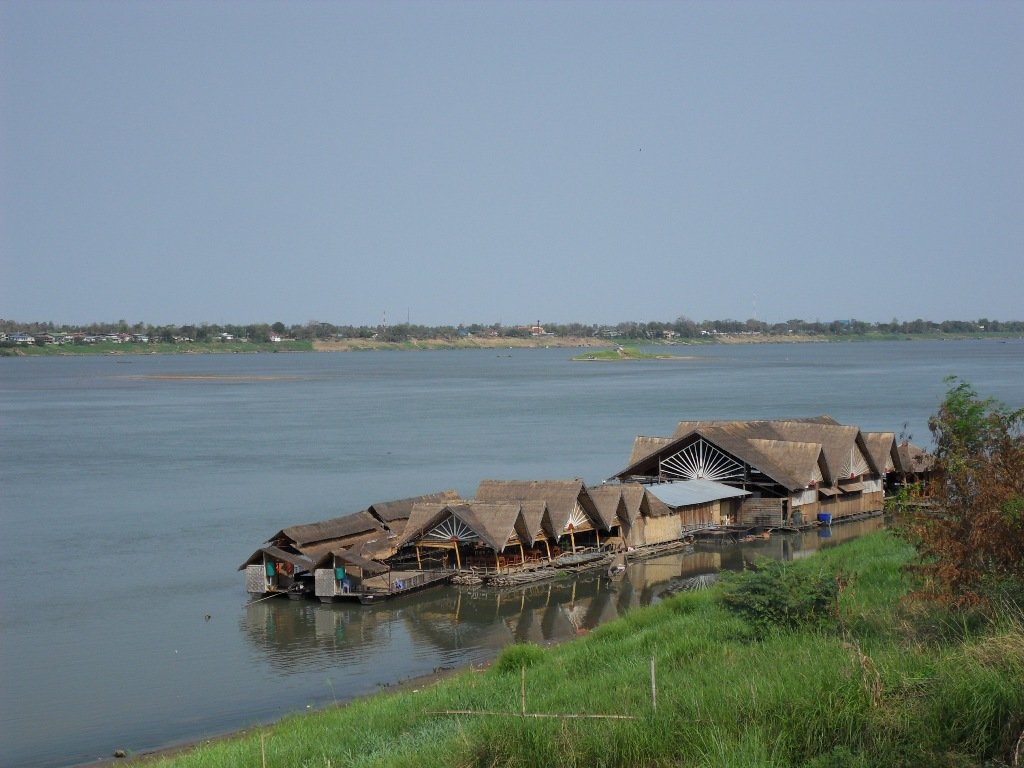
Embark on a journey through the serene landscapes and rich cultural tapestry of Laos with our detailed Laos travel guide. Discover ancient temples nestled amidst lush jungles, float along the tranquil Mekong River, and immerse yourself in the warmth of Laotian hospitality. From the bustling markets of Luang Prabang to the historic allure of Vientiane, this guide provides essential tips on navigating this enchanting country. Uncover the flavors of Laotian cuisine and uncover the lesser-known destinations that make Laos a gem of Southeast Asia

Laos Full-Width Sidebar
Magnificent Laos Travel Guide

Magnificent Laos Travel Guide: Your Gateway to Unforgettable Adventures

Welcome to the Magnificent Laos Travel Guide, your essential companion for exploring one of Southeast Asia's most serene, authentic, and captivating countries. Often called the "hidden gem" of the region, Laos remains delightfully unspoiled compared to its bustling neighbors, offering travelers a peaceful escape filled with spiritual depth, dramatic natural beauty, and warm hospitality.

At the heart of Laos lies its UNESCO-listed former royal capital, Luang Prabang, where saffron-robed monks collect alms at dawn amid golden temples and French-colonial architecture. The city enchants with its morning rituals, night markets, and nearby wonders like the ethereal turquoise pools and multi-tiered cascades of Kuang Si Falls—perfect for swimming in crystal-clear waters surrounded by lush jungle.

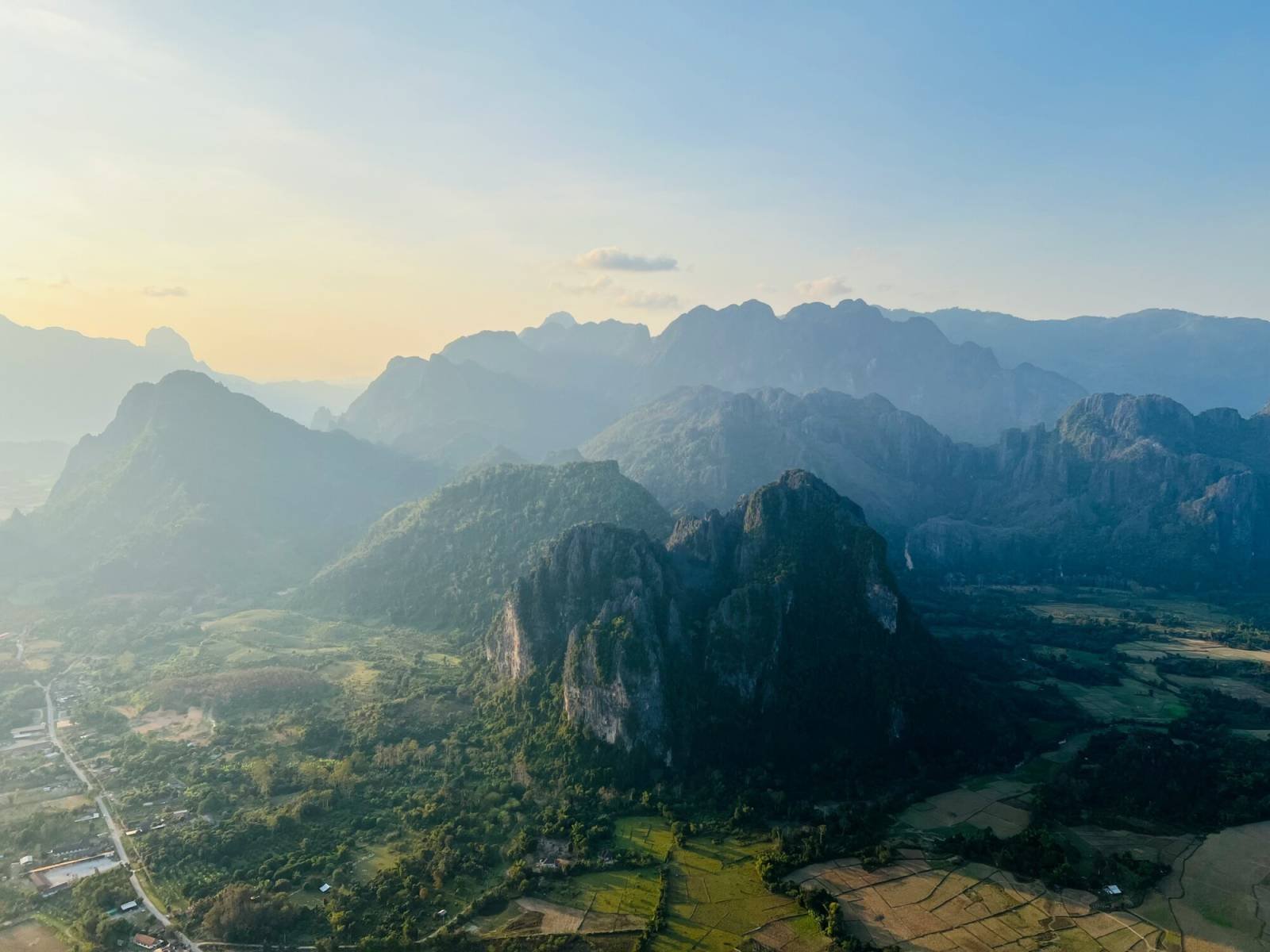
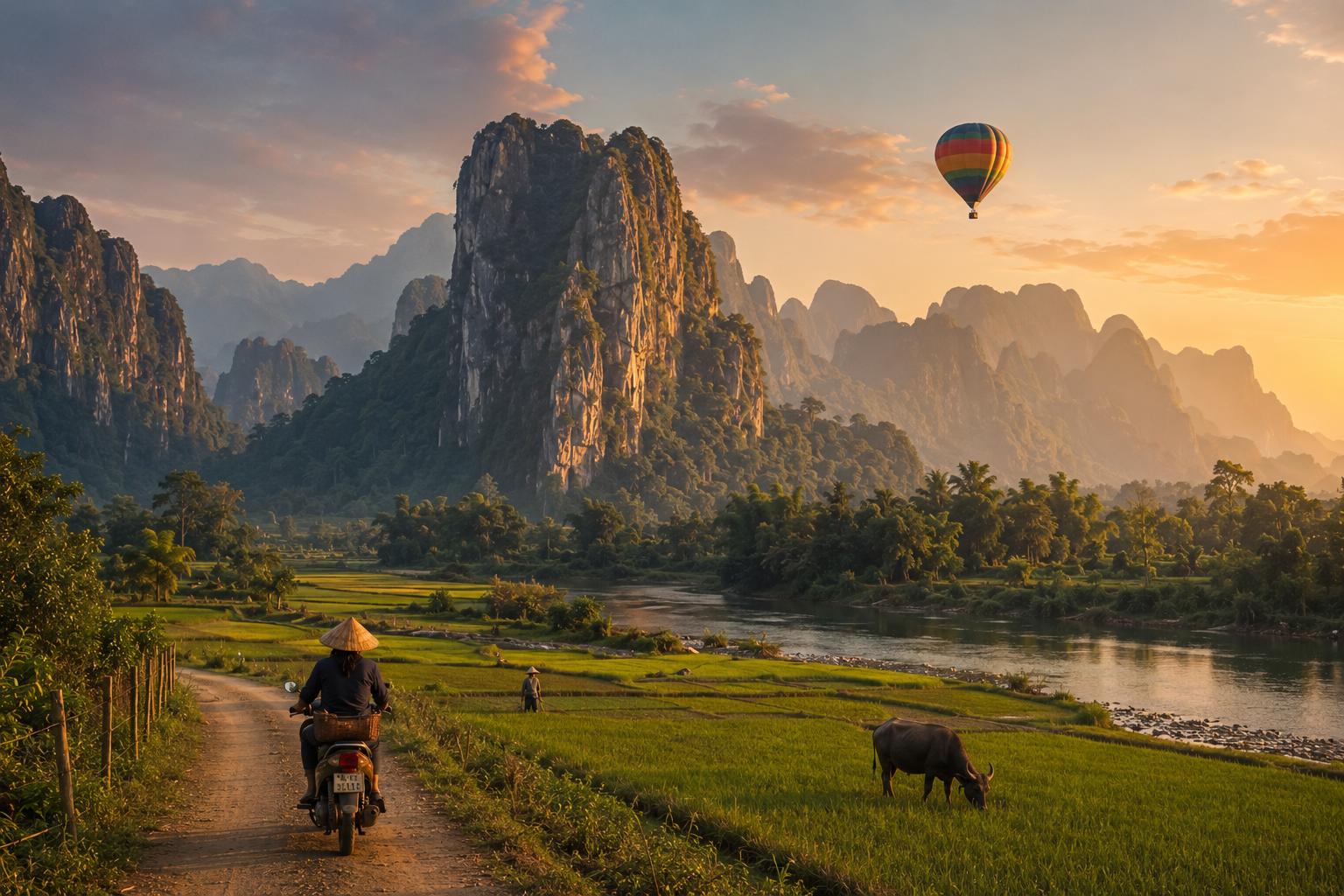
Further adventures await in Vang Vieng's dramatic karst landscapes, where you can kayak along serene rivers, explore hidden caves, zipline through valleys, or simply relax with panoramic views of limestone peaks and emerald rice paddies. The laid-back capital Vientiane offers a relaxed riverside vibe along the Mekong, with iconic landmarks like the golden Pha That Luang stupa, Patuxai victory monument, and quirky Buddha Park.

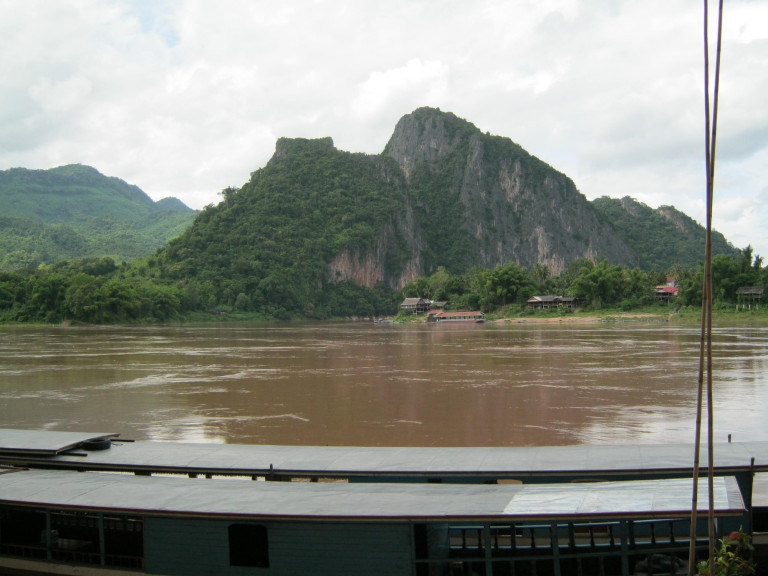
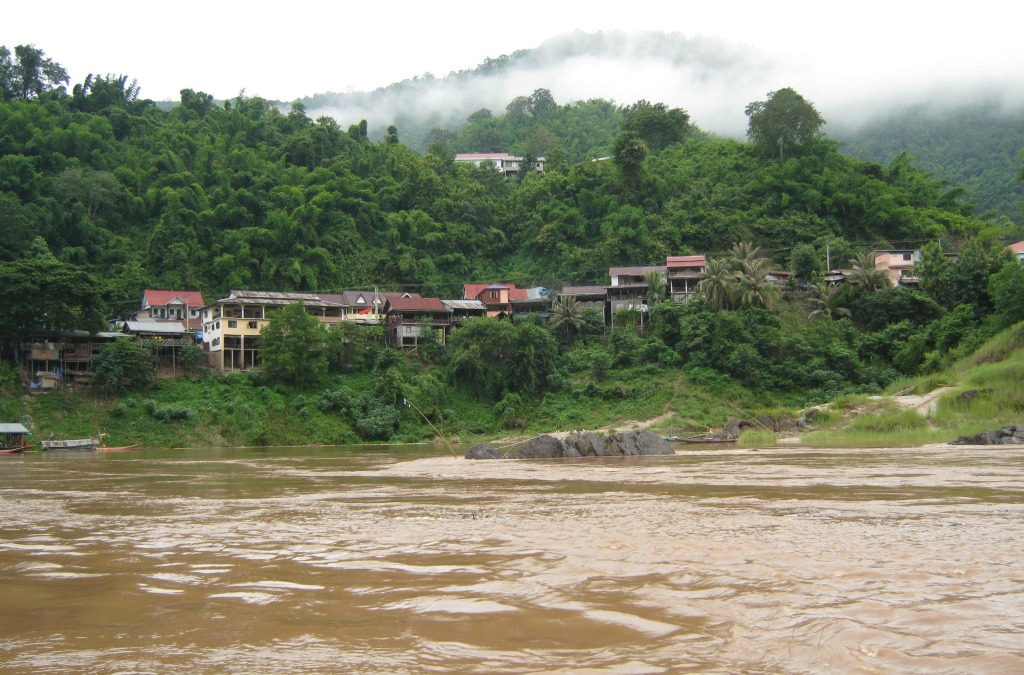
In the south, the tranquil 4000 Islands (Si Phan Don) invite you to unwind on hammocks, watch Irrawaddy dolphins in the Mekong, and cycle between sleepy villages. Don't miss the prehistoric mystery of the Plain of Jars near Phonsavan, the ancient Khmer ruins of Wat Phu in Champasak, the coffee-scented waterfalls and ethnic villages of the Bolaven Plateau, or the boat ride through the otherworldly Kong Lor Cave. The mighty Mekong River ties it all together, winding through jungles, remote communities, and timeless scenery.

This guide covers top destinations, cultural experiences, and practical tips to ensure a seamless and unforgettable journey. Whether you’re witnessing the sacred alms-giving ceremony in Luang Prabang, trekking through ethnic hill-tribe villages, savoring fragrant Laotian cuisine like laap (minced meat salad), tam mak hoong (spicy papaya salad), sticky rice, and khao soi, cruising the Mekong at sunset, or discovering hidden gems like the Pak Ou Caves filled with thousands of Buddha statues, let this guide inspire your adventure in Laos—a land where time slows down and authentic wonder awaits around every bend.

How to Travel to Laos

Laos Travel: Need to Know

Need to Know

Essential facts to help you plan your trip to Laos – from visa and currency to safety and connectivity.

Why Travel to Laos

Tip: Laos offers serene UNESCO towns, turquoise waterfalls, ancient temples, the mighty Mekong River, dramatic karst landscapes, peaceful islands, rich Buddhist culture, and incredibly warm hospitality.

Why: Must-see sites like Luang Prabang's morning alms-giving and golden temples, Kuang Si Falls' emerald pools, Vang Vieng's adventure tubing and caves, the mysterious Plain of Jars, the tranquil 4000 Islands, Wat Phu ruins, Bolaven Plateau waterfalls, and slow boat cruises along the Mekong make it one of Southeast Asia's most authentic, laid-back, and uncrowded gems—perfect for spiritual reflection, nature, and slow travel in 2026.

How: Visit major sites (often free or low-cost $1–10 entry), enjoy traditional meals like laap, tam mak hoong, and sticky rice ($3–10), and book local tours or experiences ($15–50) for Mekong cruises, waterfall hikes, or village treks.

Do I Need a Visa

Tip: Most Western nationalities (US, Canada, UK, Australia, EU/Schengen) can get a 30-day visa on arrival (VOA) or eVisa; no visa required in advance for tourism in 2026. Extensions possible up to 60+ days.

Why: Laos offers straightforward visa policies with VOA at major airports/borders and eVisa online for convenience; passport must be valid 6+ months with blank pages.

How: For VOA, pay cash (usually $30–50 USD depending on nationality, e.g., $35 for US/UK/EU, $30–42 for others) with 2 passport photos at entry points like Vientiane or Luang Prabang airports. Apply for eVisa via laoevisa.gov.la in advance (processed ~3 days, ~$50). Check official site or embassy for your nationality; extensions at immigration in Vientiane.

What is the Currency of Laos

Tip: The currency is the Lao Kip (LAK or ₭). Average daily budget $25–80 depending on style (cash dominant; cards in cities only).

Why: Kip is official tender; USD/Thai Baht sometimes accepted in tourist areas but change in kip—carry cash for rural spots, markets, and small vendors.

How: Withdraw from ATMs (Visa/Mastercard accepted, limits ~1–2.5 million LAK/$50–120 per withdrawal, fees ~20,000–50,000 LAK). Exchange at banks/airports or use apps like Revolut/Wise for best rates. Bring USD for easy exchanges; avoid high-fee informal changers.

Is Laos Expensive to Visit

Tip: Extremely affordable—one of Southeast Asia's cheapest destinations, with low costs for food, lodging, and transport even in 2026.

Why: Backpacker hostels $5–15/night, meals $3–10, local transport $1–5, tours $15–50; great value for authentic experiences without crowds.

How: Stay in hostels/guesthouses ($10–40). Eat street food or local eateries ($5–15/day). Use buses, tuk-tuks, or slow boats ($5–30 longer distances). Mid-range travelers can enjoy comfort for $50–80/day.

Can I Drink the Tap Water

Tip: No—tap water is not safe to drink anywhere in Laos due to potential contamination from pipes, pollution, and sanitation issues.

Why: Even in cities like Vientiane or Luang Prabang, water may carry microbes or chemicals; locals and travelers rely on bottled or filtered sources.

How: Stick to sealed bottled water (cheap and everywhere, often provided in hotels). Use refill stations with filtered water to reduce plastic. Avoid ice in drinks unless from purified sources; bring purification tablets/filters for remote areas if needed.

Can I Buy a SIM Card

Tip: Prepaid SIM or eSIM easy, cheap, and tourist-friendly ($5–30 for good data plans with solid coverage).

Why: Good 4G/5G in cities, main routes, and tourist areas for maps, apps, and communication; operators like Unitel, Lao Telecom, ETL offer reliable service.

How: Buy prepaid SIM at airports, shops, or operator stores (passport usually required for registration). Tourist data packs widely available; eSIM options via Airalo, Nomad, or others ($10–30 for 1–10GB/7–30 days). Top up via apps, kiosks, or online easily.

Practical Tips for Traveling in Laos

Practical Tips for Traveling in Laos

Everything you need to know before you go – from visas and money to safety and transport.

Visa and Documentation

Tip: Most Western nationalities (US, UK, Canada, Australia, EU/Schengen) can get a 30-day visa on arrival (VOA) at major airports/borders or apply for eVisa online; passport valid at least 6 months with 2 blank pages.

Why: Laos offers straightforward access via VOA or eVisa for tourism; extensions up to 60+ days possible in Vientiane.

How: For VOA, pay cash (~$30–50 USD depending on nationality) with 2 passport photos at entry points like Vientiane/Luang Prabang airports. Apply for eVisa via laoevisa.gov.la (processed ~3 days, ~$50). Carry printed eVisa, proof of funds/accommodation, return ticket, and travel insurance. Check official site for your nationality.

Currency and Payments

Tip: Lao Kip (LAK or ₭) is the currency. Cash is king, especially rural areas; cards (Visa/Mastercard) accepted in cities/tourist spots; ATMs widely available.

Why: Kip is official; USD/Thai Baht sometimes accepted in tourist areas but change in kip. International cards work well, though fees apply.

How: Withdraw from ATMs (limits ~1–2.5 million LAK/~$50–120, fees ~20,000–50,000 LAK). Exchange at banks/airports or use apps like Revolut/Wise. Bring USD for easy exchanges; carry cash (LAK 500,000–2,000,000 equivalent) for markets/small vendors.

Language and Communication

Tip: Learn basics: “Sabaidee” (hello), “Khop chai” (thank you), “Thao dai?” (how much?).

Why: English common in tourist areas (Luang Prabang, Vang Vieng, Vientiane) among younger people; limited in rural spots. Lao uses its own script.

How: Use Google Translate offline (download Lao pack). Buy prepaid SIM ($5–30) from Unitel, Lao Telecom, or ETL for data. eSIM via Airalo/Nomad convenient; passport often required for physical SIM registration.

Safety and Dangers in Laos

Tip: Exercise increased caution due to civil unrest in specific areas and unexploded ordnance (UXO) in rural/provinces. Overall safe for tourists with normal precautions; violent crime against visitors rare.

Why: Petty theft in tourist spots/around ATMs; avoid remote borders (e.g., with Myanmar) and areas like Xaisomboun Province. UXO risk in former war zones—stick to paths.

How: Stay aware in crowds; secure valuables. Use licensed taxis/apps or reputable transport. Avoid night travel in remote areas; don't touch suspicious objects. Follow local advice; register with embassy if needed. Terrorism risk low but global vigilance applies.

Accommodation Options

Tip: Budget guesthouses/hostels ($5–15/night dorms, $10–30 private), mid-range hotels/Airbnb ($20–50/night), higher-end resorts ($50+). Wide selection in Luang Prabang/Vientiane.

Why: Extremely affordable and varied; central/riverside locations easy to find. Booking.com, Agoda, or local sites reliable.

How: Book via Booking.com, Agoda, or direct (many offer free airport pickup). Opt for central spots (e.g., near Mekong in Luang Prabang). Check reviews; guesthouses great for authentic stays. Cash/card payments common.

Transportation

Tip: Buses/minivans primary for intercity (affordable, frequent); new trains (e.g., Vientiane to Luang Prabang) fast/comfy; tuk-tuks/songthaews in towns; scooter rental popular.

Why: Laos is spread out; buses/boats connect most places. High-speed rail improving north-south travel; walkable in cities like Luang Prabang.

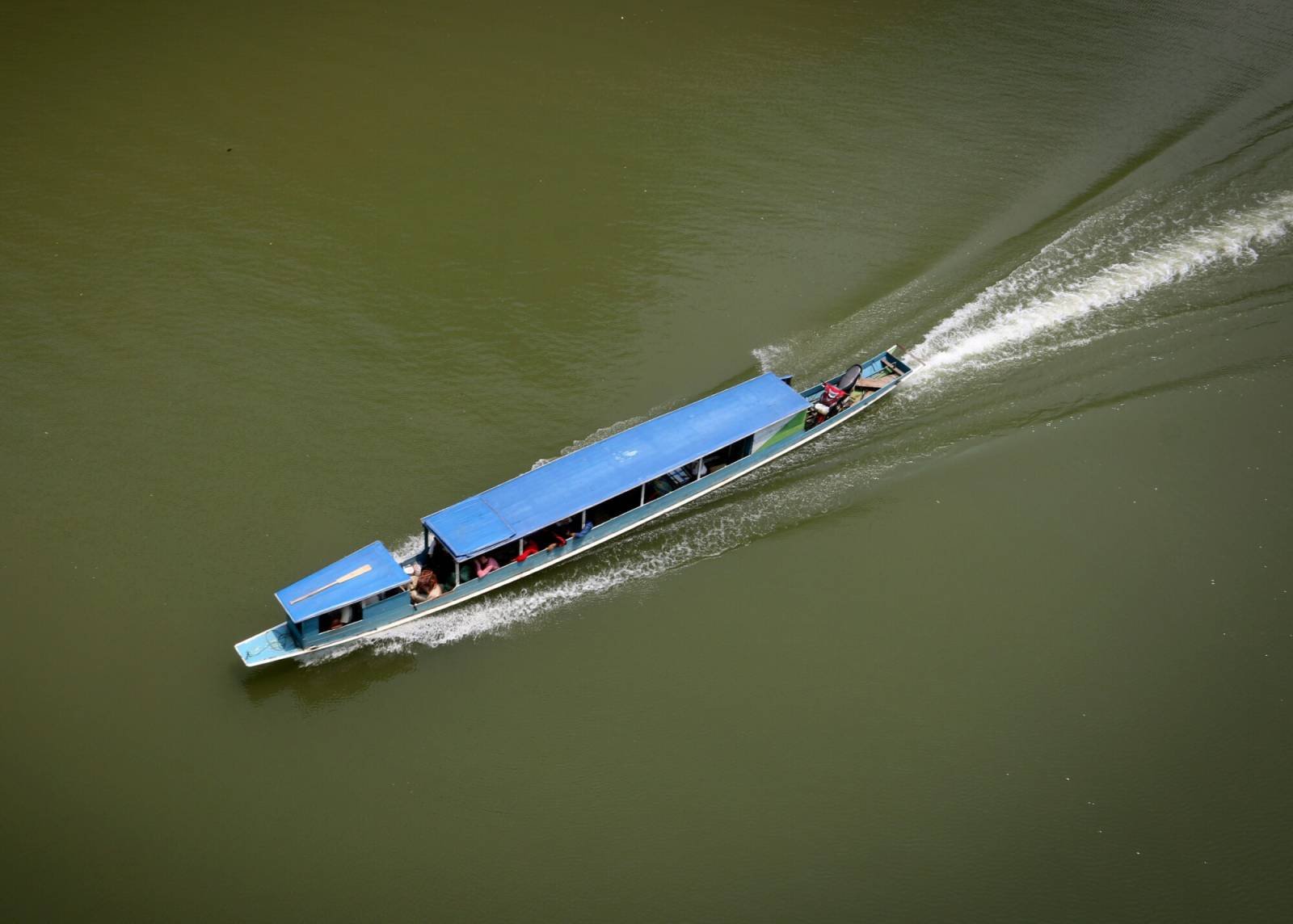
How: Book buses/trains via stations, apps, or agents (VIP buses more comfortable). Use tuk-tuks (agree fare first). Rent scooters/bikes (international license advised, helmet mandatory); roads vary—cautious in mountains/rain. Slow boats on Mekong scenic but slow.

How to Get to & Around Laos

How to Get to & Around Laos

Everything you need to know about arriving in Laos and moving around its cities and regions.

Travel & Transport

International Arrival

Tip: Fly into Vientiane Wattay International Airport (VTE) – Laos' main international hub handling most arrivals. Direct flights from regional hubs like Bangkok (BKK), Hanoi (HAN), Ho Chi Minh City, Singapore, Kunming, Seoul, and others via Lao Airlines, Thai Airways, Vietnam Airlines, AirAsia, China Eastern (€50–300+ round-trip from Southeast Asia; higher from further afield via connections). Other airports: Luang Prabang International (LPQ) for northern tourism (direct from Bangkok, Chiang Mai, Hanoi, Siem Reap), Pakse International (PKZ) for southern entry (from Bangkok, Phnom Penh).

Why: Vientiane is the primary gateway with strong regional connectivity in 2026 (growing routes from China and ASEAN); no direct long-haul flights from Europe/North America—connect via Bangkok or Hanoi; efficient airports with visa-on-arrival/eVisa counters, ATMs, and quick onward options.

How: Search flights on Skyscanner, Kayak, or Lao Airlines' site. From Vientiane airport to city: taxis/tuk-tuks (~$5–10, 10–15 min to center), or shared minivans. Land entry: buses from Thailand (Nong Khai to Vientiane), Vietnam (various borders), Cambodia; China-Laos train from Kunming/Boten; expect border checks (visa-on-arrival or eVisa for most Western passports, 30 days).

Domestic Transport Options

Tip: China-Laos high-speed railway primary for north-central routes (Vientiane–Vang Vieng ~1 hr, Vientiane–Luang Prabang ~2 hrs, fares $10–40 depending on class/seat); buses/minivans affordable for longer/southern trips ($5–25, e.g., Vientiane–Pakse 10–12 hrs); domestic flights quick (Vientiane–Luang Prabang/Pakse ~1 hr, $50–120); tuk-tuks/scooter rentals $3–10/day in towns; Mekong slow boats scenic (e.g., Huay Xai–Luang Prabang multi-day).

Why: Laos is spread out with mountainous terrain—trains fast/comfortable on key north line (since 2021, expanded services); buses/minivans connect everywhere cheaply; flights save time for south/north hops; scooters/tuk-tuks ideal for local exploration in Luang Prabang/Vang Vieng; boats offer authentic river immersion where roads are limited.

How: Book trains via Laos-China Railway app/site or stations (advance for peak; classes: first/second); buses/minivans through guesthouses, 12Go.asia, or stations (VIP/air-con preferred); domestic flights on Lao Airlines/Lao Skyway; rent scooters (international license advised, helmet required); agree tuk-tuk fares first; book Mekong boats via agents for safety/schedules.

When to Go to Laos

When to Go to Laos

Plan your perfect trip with our guide to weather, festivals, crowd levels, and regional highlights.

When to Go to Laos

Best Time to Visit

Tip: Travel in the cool dry season (November–February) for comfortable weather and clear skies; or shoulder months (March–April & October) for fewer crowds and lower prices.

Why: Temperatures 20–30°C, minimal rain, ideal for Luang Prabang alms-giving, Kuang Si Falls swimming, Mekong cruises, and Vang Vieng adventures; avoids intense heat (March–May) and heavy monsoon rains (June–September).

How: Book 2–3 months ahead for Pi Mai (April) or peak December–January. Shoulder seasons offer better hotel deals, quieter temples, and easier transport; pack light layers for cooler northern mornings/evenings.

Weather by Season

Cool Dry (Nov–Feb): 15–28°C (cooler in north/mountains: 10–20°C nights). Sunny, low humidity, perfect for sightseeing, trekking, and festivals; occasional morning mist in Luang Prabang.

Hot Dry (Mar–May): 30–38°C+. Very hot and dry; great for southern islands (Si Phan Don) and fewer tourists, but tiring for hiking/cycling; Pi Mai water festival brings relief.

Wet/Rainy (Jun–Oct): 25–35°C with high humidity. Heavy afternoon showers (short but intense); lush green landscapes, waterfalls at full flow, lower crowds/prices; some rural roads/mekong boats affected.

Major Festivals & Events

Pi Mai Lao (Lao New Year, mid-April): Nationwide water festival – splashing, parades, temple ceremonies, music; joyful chaos in Vientiane, Luang Prabang, and Pakse.

Boun Ok Phansa / Boat Racing (Oct/Nov): End of Buddhist Lent – illuminated boats, races on Mekong, fireworks; spectacular in Luang Prabang and southern towns.

That Luang Festival (Nov, Vientiane): Stupa procession, markets, traditional performances around golden Pha That Luang – cultural highlight.

Boun Bang Fai (Rocket Festival, May–June): Rural rocket launches to bring rain; lively in villages with music, dance, and feasts.

Other Events: Luang Prabang Film Festival (March), ethnic minority festivals, and alms-giving ceremonies daily year-round in Luang Prabang.

Crowd Levels & Costs

Peak Season (Nov–Feb & Pi Mai April): Hotels +30–60%. Luang Prabang, Vang Vieng, and 4000 Islands busiest; book early for Pi Mai or Christmas/New Year; higher prices for guesthouses, tours, and transport.

Low Season (Jun–Sep): 30–50% cheaper. Quiet temples and islands; lush scenery and waterfalls at peak flow; some Mekong sections slower/safer with rain; great for budget travelers.

Shoulder Season (Mar–May & Oct): Best balance – warm/dry-ish weather, moderate crowds, lower prices on accommodations and slow boats, and vibrant festivals like Pi Mai or Ok Phansa.

Regional Travel Tips

Luang Prabang & North: Nov–Feb for cool mornings and alms-giving; Mar–May hot but fewer crowds; wet season lush but slippery trails to Kuang Si/Pak Ou Caves.

Vang Vieng & Central: Year-round for tubing/kayaking (best Nov–Feb dry); wet season green rice paddies and full rivers; avoid extreme heat in Mar–May if active.

Vientiane & South (Bolaven, 4000 Islands): Dec–Mar for comfortable exploration; wet season waterfalls spectacular (Bolaven at full power); southern islands ideal in hot dry months.

Plain of Jars & Remote Areas: Dry season (Nov–Apr) for road access and hiking; avoid wet season mud and potential flooding.

Packing Essentials

Cool Dry (Nov–Feb): Light layers, long pants/shirt for temples, light jacket for northern evenings, comfortable walking shoes, sarong/scarf for modesty.

Hot Dry (Mar–May): Breathable clothes, hat, sunglasses, high-SPF sunscreen, reusable water bottle, quick-dry towel for Pi Mai splashing.

Wet Season (Jun–Oct): Lightweight rain poncho/jacket, quick-dry clothes, flip-flops/sandals, insect repellent, dry bag for electronics on boats/hikes.

Year-round: Adapter plug (Type A/C), power bank, modest clothing for temples/monasteries, reusable water bottle/filter, mosquito repellent, basic first-aid kit, flip-flops for guesthouses/showers.

Top Destinations in Laos

Top Destinations in Laos

Discover 8 must-visit places from serene UNESCO towns and turquoise waterfalls to dramatic karsts, mysterious sites, and peaceful Mekong islands.

Top Destinations in Laos

Luang Prabang

Tip: Watch the morning alms-giving ceremony at dawn; use the China-Laos railway or domestic flight for easy access.

Why: UNESCO-listed former royal capital blending golden temples, French-colonial charm, Mekong views, and spiritual serenity – Laos' cultural heart.

Must-See:

  • Morning alms-giving & saffron-robed monks
  • Wat Xieng Thong & royal palace museum
  • Mount Phousi sunset views
  • Night market & French bakeries

How: Fly into LPQ or train from Vientiane (~2 hrs). Stay riverside (€20–100/night). Walk or rent bike/tuk-tuk.

Vientiane

Tip: Rent a bike or use tuk-tuks for the laid-back riverside; visit early to avoid heat.

Why: Relaxed capital along the Mekong with golden stupas, French influences, markets, and Buddha Park quirkiness.

Must-See:

  • Pha That Luang golden stupa
  • Patuxai victory monument & views
  • Mekong promenade & night market
  • Buddha Park (Xieng Khuan)

How: Fly into VTE or train hub. Stay central (€15–80/night). Bike or tuk-tuk around.

Vang Vieng

Tip: Book hot air balloon or kayak tours early (€20–50); use the train for quick access from Vientiane (~1 hr).

Why: Dramatic limestone karsts, rivers, caves, and lagoons – adventure paradise with tubing, ziplining, and stunning views.

Must-See:

  • Blue Lagoon & swimming holes
  • Tham Chang Cave & viewpoint
  • Nam Song River kayaking/tubing
  • Hot air balloon over karsts

How: Train from Vientiane. Stay riverside (€10–60/night). Scooter rental popular.

Kuang Si Falls

Tip: Arrive early to swim in turquoise pools; combine with Luang Prabang day trip.

Why: Multi-tiered turquoise waterfalls cascading into emerald pools amid jungle – one of Asia's most beautiful natural wonders.

Must-See:

  • Main falls & swimming tiers
  • Bear rescue center
  • Jungle trails & viewpoints
  • Picnic spots by pools

How: Tuk-tuk/shared minivan from Luang Prabang (~45 min, $5–10). Entry ~$2–3. Day trip ideal.

Si Phan Don (4000 Islands)

Tip: Rent a bike to explore islands; watch Irrawaddy dolphins from Don Khon/Don Det.

Why: Tranquil Mekong archipelago with sleepy villages, waterfalls, and hammock relaxation – ultimate chill spot.

Must-See:

  • Khone Phapheng Falls (largest in SE Asia)
  • Irrawaddy dolphin spotting
  • Li Phi Falls & old French railway
  • Sunset over Mekong islands

How: Bus/minivan from Pakse (~3–4 hrs). Stay bungalows (€10–50/night). Bike/ferry between islands.

Plain of Jars

Tip: Join guided tour for history/context (€15–30); stick to marked paths due to UXO.

Why: Mysterious UNESCO site with thousands of ancient stone jars scattered across misty plateau – archaeological enigma.

Must-See:

  • Site 1 main jars & viewpoints
  • Site 2 & 3 smaller clusters
  • Tham Hai Cave & old bomb craters
  • Local villages nearby

How: Fly/bus to Phonsavan. Stay guesthouses (€20–60/night). Guided tours essential.

Bolaven Plateau

Tip: Rent a scooter or join motorbike loop tour; taste fresh coffee at plantations.

Why: Lush highland with waterfalls, ethnic villages, coffee farms, and cool climate – southern nature escape.

Must-See:

  • Tad Fane & Tad Yuang waterfalls
  • Ethnic minority villages
  • Coffee plantations & tastings
  • Pakse as gateway town

How: Bus/train to Pakse, then scooter loop. Stay eco-lodges (€20–70/night). Motorbike ideal.

Pak Ou Caves

Tip: Take a slow boat from Luang Prabang for scenic Mekong ride; bring flashlight.

Why: Sacred caves filled with thousands of Buddha statues overlooking the Mekong – spiritual and photogenic gem.

Must-See:

  • Tham Ting (lower cave) & Tham Theung (upper)
  • Thousands of golden Buddhas
  • Mekong confluence views
  • Boat journey & villages

How: Mekong boat tour from Luang Prabang (~2 hrs each way, $20–40). Half-day trip common.

What To See In Laos

Travel Guides

Travel Guides

Travel Stories

Travel Stories