Slovakia Travel Guide


SLOVAKIA

TRAVEL GUIDE

Discover the Hidden Gems of Slovakia: A Comprehensive Guide to Exploring This Central European Treasure. From the Majestic Tatra Mountains and Historic Castles to Vibrant Cities and Rich Cultural Heritage, Slovakia Offers Unique Experiences for Every Traveler. Whether You’re Hiking, Skiing, or Delving into Medieval History, This Guide Will Help You Navigate Slovakia’s Scenic Landscapes, Delicious Cuisine, and Warm Hospitality. Plan Your Unforgettable Journey to Slovakia, a Destination Full of Charm and Adventure.

Slovakia Full-Width Sidebar
Slovakia Full-Width Sidebar - Search Edition
Magnificent Slovakia Travel Guide

Magnificent Slovakia Travel Guide: Your Gateway to Unforgettable Adventures

Welcome to the Magnificent Slovakia Travel Guide, your essential companion for exploring one of Europe's most enchanting and underrated gems. Slovakia captivates with its picturesque capital Bratislava on the Danube River, fairy-tale castles like Bojnice, Orava, and the massive UNESCO-listed Spiš Castle, dramatic alpine landscapes in the High Tatras with peaks, glacial lakes, and hiking trails, pristine national parks such as Slovak Paradise with its gorges, waterfalls, and ladders, charming historic towns including Banská Štiavnica and Levoča, vibrant cities like Košice, traditional wooden villages like Čičmany and Vlkolínec, and a rich blend of medieval heritage, folk traditions, hearty cuisine featuring bryndzové halušky and hearty soups, and welcoming hospitality. This guide covers top destinations, cultural experiences, and practical tips to ensure a seamless and unforgettable journey. Whether you’re strolling the cobblestone streets of Bratislava's Old Town, hiking to stunning viewpoints in the High Tatras, marveling at the panoramic vistas from Bratislava Castle, savoring authentic Slovak dishes, or discovering ancient fortresses and hidden mountain gems, let this guide inspire your adventure in Slovakia.

How to Travel to Serbia

Slovakia Travel: Need to Know

Need to Know

Essential facts to help you plan your trip to Slovakia – from visa and currency to safety and connectivity.

Why Travel to Slovakia

Tip: Slovakia offers charming historic cities, fairy-tale castles, majestic mountains, pristine national parks, UNESCO sites, hearty Central European cuisine, and friendly locals.

Why: Must-see highlights include Bratislava's Old Town and castle, Spiš Castle (UNESCO), the dramatic High Tatras with alpine hiking, Slovak Paradise National Park's gorges and waterfalls, charming towns like Banská Štiavnica and Levoča, wooden villages such as Vlkolínec, and vibrant Košice make it an authentic, affordable European destination with stunning nature and rich history.

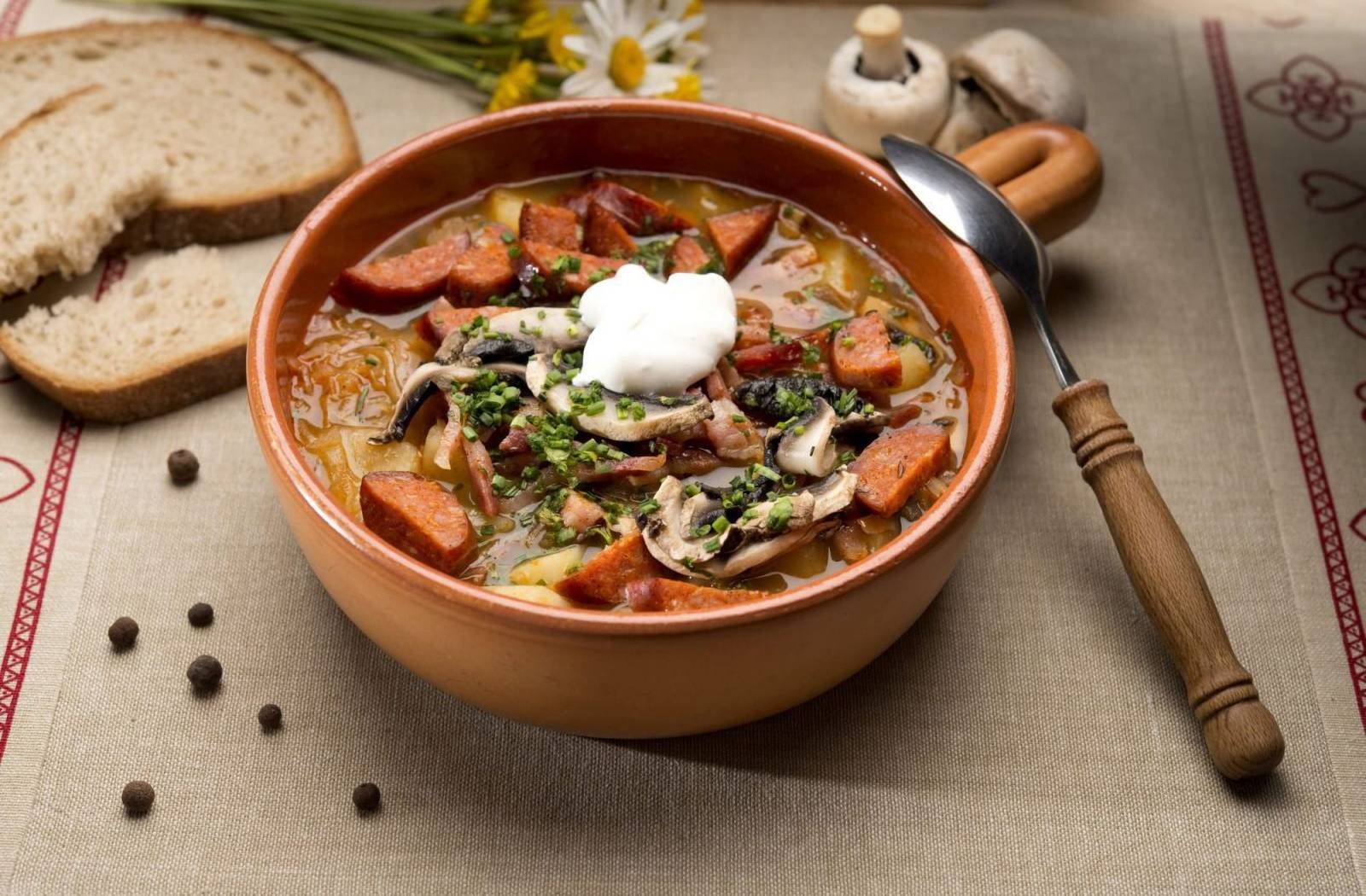
How: Visit castles and historic sites (entry often €5–15), enjoy traditional meals like bryndzové halušky, kapustnica, and grilled meats (€8–20), and join guided tours or hikes (€20–70) for caves, mountains, or cultural experiences.

Do I Need a Visa

Tip: Most Western nationalities (US, Canada, UK, Australia, EU/Schengen) enjoy visa-free entry for up to 90 days in 180 in the Schengen Area; no visa required for tourism in 2026, though ETIAS may apply starting late 2026 for visa-exempt travelers.

Why: Slovakia is part of the Schengen Area with generous policies for short stays; always confirm based on your nationality to ensure smooth entry.

How: Check the official Slovak Ministry of Foreign Affairs or EU sources. Passport valid for at least 3 months beyond departure. For those needing visas, apply via embassy; ETIAS (if implemented late 2026) is an online pre-authorization for eligible nationalities—no on-arrival options for most.

What is the Currency of Slovakia

Tip: The currency is the Euro (EUR). Average daily budget €50–150 depending on style (cards widely accepted; cash useful in rural areas).

Why: Euro is official since 2009; widespread acceptance of cards in cities, but carry some cash for smaller spots, markets, or transport.

How: Use ATMs (Visa/Mastercard common) or exchange at banks. Apps like Revolut/Wise offer good rates; avoid high-fee airport changers. Euros from home work perfectly.

Is Slovakia Expensive to Visit

Tip: Affordable compared to Western Europe – one of the better-value destinations in Central Europe, with Bratislava moderate and rural/mountain areas cheaper.

Why: Budget hostels €20–50/night, meals €8–25, local transport €1–5, intercity trains/buses reasonable; excellent value for food, beer, attractions, and outdoor activities.

How: Stay in hostels/Airbnb (€40–100). Eat at local restaurants or markets (€10–20). Use trains, buses, or rideshares (€10–60 longer distances); hike national parks for free/low-cost adventures.

Can I Drink the Tap Water

Tip: Generally safe and high-quality in major cities like Bratislava, Košice, and most urban areas, meeting EU standards; many locals drink it, though some prefer bottled due to taste variations from chlorine or regional pipes.

Why: Sourced from groundwater and treated to strict standards; widely consumed by residents in cities—safe for travelers, with rural areas usually fine but bottled as a cautious option.

How: Drink tap in big cities/hotels if it tastes good; opt for bottled (“voda”) in remote spots or if taste bothers you. Filters or boiling unnecessary in most cases.

Can I Buy a SIM Card

Tip: Prepaid SIM or eSIM easy, affordable, and tourist-friendly (€10–30 for good data plans).

Why: Strong 4G/5G coverage in cities, main routes, and tourist areas for maps, apps, and calls; operators like Slovak Telekom, Orange, O2 offer reliable service.

How: Buy at airports, operator stores, kiosks, or supermarkets (passport often required for registration). Tourist packs available; eSIM options via Airalo, Holafly, or locals (€5–30). Top up via app/online easily.

Practical Tips for Traveling in Slovakia

Practical Tips for Traveling in Slovakia

Everything you need to know before you go – from visas and money to safety and transport.

Visa and Documentation

Tip: Most Western nationalities (US, UK, Canada, Australia, EU/Schengen) enjoy visa-free entry for up to 90 days in any 180-day period within the Schengen Area. Passport valid at least 3 months beyond departure recommended. ETIAS may be required starting late 2026 for visa-exempt travelers.

Why: Slovakia is part of the Schengen Area with standard short-stay rules; entry is straightforward for many nationalities, but upcoming ETIAS adds pre-authorization for visa-exempt visitors.

How: Check eligibility on the Slovak Ministry of Foreign Affairs or EU websites. Carry proof of accommodation, funds, return ticket, and travel insurance. Passport should have blank pages for stamps. For longer stays, apply for appropriate permit. Apply for ETIAS online (if implemented) before travel in late 2026.

Currency and Payments

Tip: Euro (EUR) is the currency. Cards (Visa/Mastercard) widely accepted in cities and tourist areas; cash useful in rural spots or small vendors. ATMs plentiful and reliable.

Why: Slovakia uses the euro since 2009; contactless and mobile payments common in urban areas. No major restrictions on international cards.

How: Withdraw from ATMs (low fees with cards like Revolut). Exchange at banks if needed. Use apps like Wise/Revolut for best rates. Carry some cash (€50–200 equivalent) for markets, rural transport, or tips. Declare amounts over €10,000 when entering/exiting the EU.

Language and Communication

Tip: Learn basics: “Ahoj” or “Dobrý deň” (hello), “Ďakujem” (thank you), “Hovoríte po anglicky?” (Do you speak English?).

Why: English common among younger people and in tourist areas (Bratislava, High Tatras); less so in rural regions. Slovak uses Latin script.

How: Use Google Translate offline (download Slovak pack). Buy prepaid SIM (€10–30) from Slovak Telekom, Orange, or O2 for data. eSIM via Airalo/Holafly easy; passport often required for physical SIM registration at shops or airports.

Safety and Dangers in Slovakia

Tip: US State Dept advises Level 1: Exercise Normal Precautions. Slovakia is generally very safe for tourists; petty crime (pickpocketing) is the main concern in crowded tourist spots.

Why: Low violent crime; occasional theft in Bratislava Old Town or public transport. No major terrorism or unrest risks; normal precautions suffice.

How: Stay aware in crowds; secure valuables and use money belt. Use official taxis or apps (Bolt, Uber equivalents). Avoid isolated areas at night. Follow local laws (e.g., no public drinking in some cities). Terrorism risk low but global awareness applies.

More Safety Tips for Slovakia (US State Dept)

Accommodation Options

Tip: Budget hostels (€20–50/night in cities), mid-range hotels/Airbnb (€50–120/night), higher-end (€120+). Plenty in Bratislava, Košice, and mountain resorts.

Why: Affordable variety; central or scenic locations easy to book. Platforms like Booking.com reliable for deals.

How: Book via Booking.com, Airbnb, or direct sites. Choose central spots (e.g., Old Town Bratislava or near ski areas). Read reviews; apartments ideal for groups or longer stays. Card payments standard; some rural places prefer cash.

Transportation

Tip: Intercity trains and buses efficient and affordable; FlixBus popular for longer routes. Bratislava public transport (trams/buses) cheap; rideshares like Bolt common.

Why: Compact country with good rail/bus network connecting Bratislava, Košice, and national parks. Roads well-maintained for driving.

How: Book trains via ŽSR app/site or buses via stations/FlixBus. Use city apps for tickets. Rent cars for mountains (international license recommended); drive on right, headlights always on. Public transport in cities affordable and reliable.

How to Get to & Around Slovakia

How to Get to & Around Slovakia

Everything you need to know about arriving in Slovakia and moving around its cities and regions.

Travel & Transport

International Arrival

Tip: Fly into Bratislava M. R. Štefánik Airport (BTS) – Slovakia's main international hub with growing low-cost routes from Europe via Ryanair, Wizz Air, and others (€30–300+ round-trip from Europe). Other airports: Košice International (KSC) for eastern Slovakia, Poprad-Tatry (TAT) for High Tatras access. Many visitors fly into nearby Vienna (VIE, ~60 km/45 min to Bratislava) or Budapest (BUD) for more options, then bus/train onward.

Why: Bratislava Airport offers direct European connections; Vienna provides broader global flights with easy, frequent transfers to Bratislava (bus/train ~€5–15, 1 hr); central location makes land entry convenient from Schengen neighbors—no major restrictions for visa-free travelers in 2026.

How: Search flights on Skyscanner, Kayak, or Ryanair/Wizz Air sites. From Bratislava Airport to city: public bus #61 (~€1–2, 20–30 min to center), taxis (~€15–25), or rideshares (Bolt/Uber). Land entry: frequent FlixBus/RegioJet buses from Vienna, Budapest, Prague, Warsaw (€10–40); trains via ŽSSK or RegioJet; standard Schengen border checks for non-EU arrivals (visa-free up to 90 days for most Western passports).

Domestic Transport Options

Tip: Intercity trains and buses primary and affordable (€5–30, e.g., Bratislava–Košice ~5–6 hrs), FlixBus/RegioJet for budget routes, city public transport cheap/flat-fare in Bratislava (buses, trams, trolleybuses) and Košice, rideshares like Bolt €3–10 in cities. Car rental €25–60/day for mountains/national parks (High Tatras, Slovak Paradise).

Why: Compact country with dense rail/bus network; trains scenic and reliable on key lines (Bratislava–Košice, Žilina); buses efficient for regional spots; cars best for remote areas like castles or hiking trails where schedules are limited; public transport affordable and extensive in cities.

How: Book trains via ŽSSK (ZSSK.sk) app/site or RegioJet; buses via FlixBus, RegioJet, or stations (Slovak Lines). Use Bolt for city rides/taxis. Rent cars at airports/cities via Sixt, Avis, or local (international license recommended); buy vignette for motorways (€10–30 depending on duration); roads good but cautious in mountains. City apps or tickets for urban navigation (e.g., IDS BK in Bratislava area).

When to Go to Slovakia

When to Go to Slovakia

Plan your perfect trip with our guide to weather, festivals, crowd levels, and regional highlights.

When to Go to Slovakia

Best Time to Visit

Tip: Travel in late spring (May–June) or early fall (September–October) for pleasant weather and fewer crowds; or summer (June–August) for festivals and outdoor adventures.

Why: Mild temperatures (15–25°C in most areas), blooming landscapes or autumn foliage, and lower crowds at sites like Bratislava Old Town, High Tatras hikes, or Spiš Castle compared to peak summer heat and family holidays.

How: Book 2–3 months ahead for summer festivals or holidays. Pack layers for variable conditions. Shoulder seasons offer better deals on hotels, trains/buses, and easier access to national parks and castles.

Weather by Season

Spring (Mar–May): 5–20°C. Thawing snow, blooming parks and countryside; occasional rain – great for city walks in Bratislava/Košice and early hikes in Low Tatras or Malá Fatra.

Summer (Jun–Aug): 20–30°C+ (up to 35°C hot spells). Warm, sunny, long days; ideal for festivals, hiking in High Tatras, and river activities, but can be hot/humid in lowlands with afternoon thunderstorms.

Fall (Sep–Nov): 5–20°C. Crisp air, colorful foliage; excellent for castle visits, wine regions, and nature in Slovak Paradise, though rain increases later.

Winter (Dec–Feb): -5 to 5°C (colder in mountains: -10°C+ with snow). Snowy and festive; perfect for skiing in High Tatras or Jasná, but cold and shorter days in plains.

Major Festivals & Events

New Year & Epiphany (Dec 31–Jan 6): Fireworks, markets, and holiday celebrations nationwide – Slovakia's festive winter season with lights and traditions.

Easter (March/April): Markets, customs, and family events; Easter markets in Bratislava and colorful traditions across the country.

Pohoda Festival (July, Trenčín): Major multi-genre music and arts festival with international acts – one of Slovakia's biggest summer events.

Viva Musica! (July–August, Bratislava): Classical, jazz, and world music with street performances and concerts – lively summer vibes.

Bratislava Music Festival (September–October): Classical concerts, opera, and ballet; national pride events like Constitution Day (Sept 1).

Crowd Levels & Costs

Peak Season (Jun–Aug & major holidays like Easter/New Year): Hotels +20–50%. High Tatras, Bratislava, and festival spots busiest. Book early for Pohoda or summer hikes; higher prices for accommodations and transport.

Low Season (Nov–Mar, excluding holidays): 20–40% cheaper. Quieter cities; winter sports active in mountains, but remote areas subdued and some sites limited.

Shoulder Season (May–Jun & Sep–Oct): Best balance – mild weather, fewer crowds, lower prices on hotels/trains, and beautiful spring blooms or fall colors with good access to trails and festivals.

Regional Travel Tips

Bratislava & Košice: Year-round. Summer for festivals and outdoor dining; winter for cozy cafes and holiday markets; spring/fall for comfortable sightseeing and fewer tourists.

National Parks (High Tatras, Slovak Paradise): May–Oct for hiking, waterfalls, and wildlife (peak Jul–Aug); avoid deep winter unless prepared for snowshoeing/skiing.

Mountains & Ski Resorts (High/Low Tatras, Jasná): Dec–Mar for skiing/snowboarding; summer for hiking and fresh air; thunderstorms possible in lowlands summer.

Central & Eastern Slovakia & Castles: Spring/autumn for mild exploration and foliage; summer for outdoor events but hotter in valleys.

Packing Essentials

Spring/Fall: Layers, waterproof jacket, scarf, sturdy walking shoes, umbrella for rain.

Summer: Light clothes, sunglasses, sunscreen, hat, insect repellent (especially for nature areas); comfortable shoes for city exploration and hikes.

Winter: Warm coat, thermal layers, gloves, hat, insulated boots; windproof gear for mountain cold and snow.

Year-round: Adapter plug (Type C/F), reusable water bottle, cross-body bag for security, modest clothing for churches/castles, power bank for train/bus trips.

Top Destinations in Slovakia

Top Destinations in Slovakia

Discover 8 must-visit places from charming cities and majestic mountains to UNESCO castles, national parks, and historic gems.

Top Destinations in Slovakia

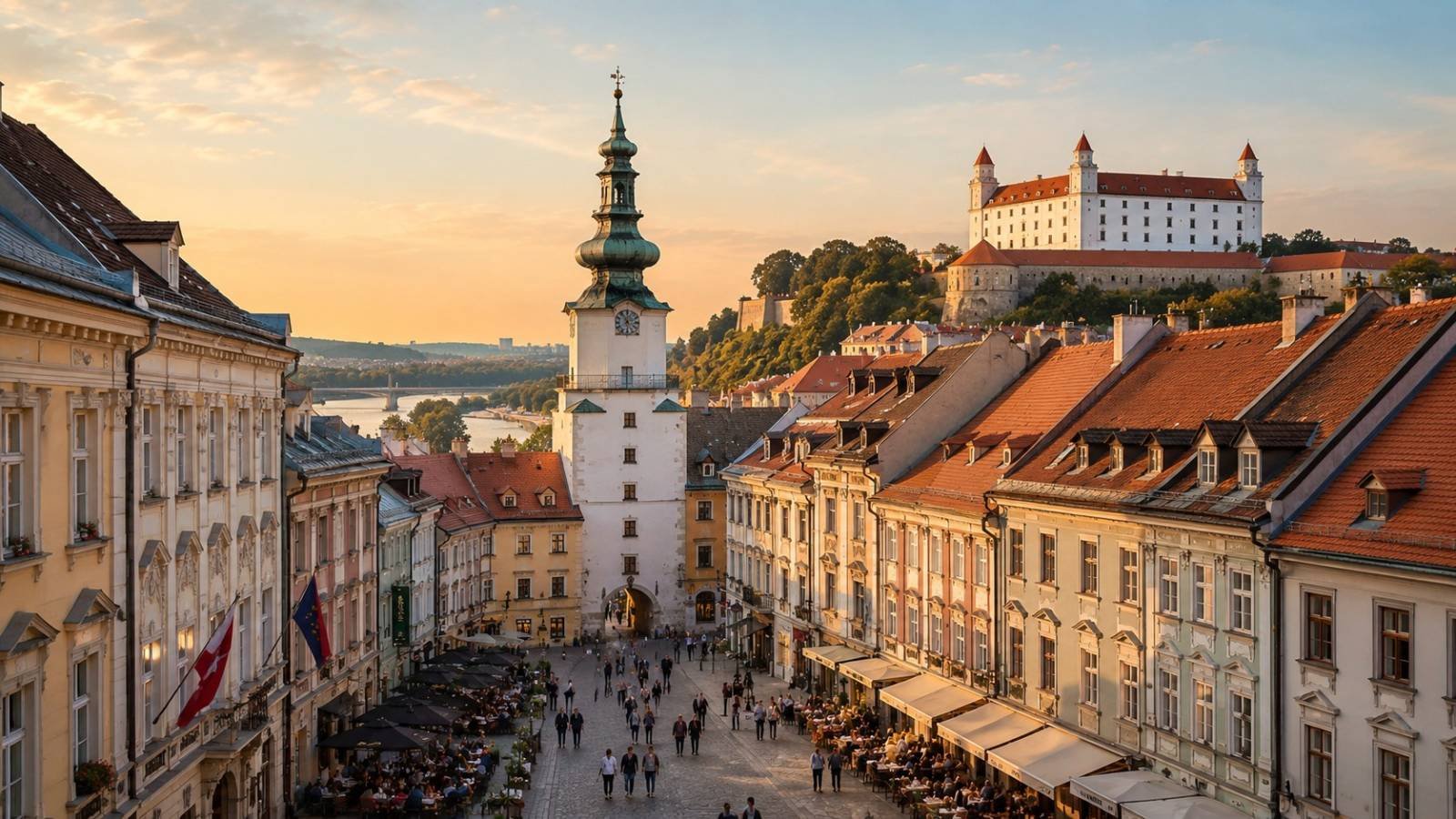
Bratislava

Tip: Use the IDS BK app or tickets for affordable public transport (trams, buses, trolleybuses); explore the compact Old Town on foot or with Bolt rides (€3–10).

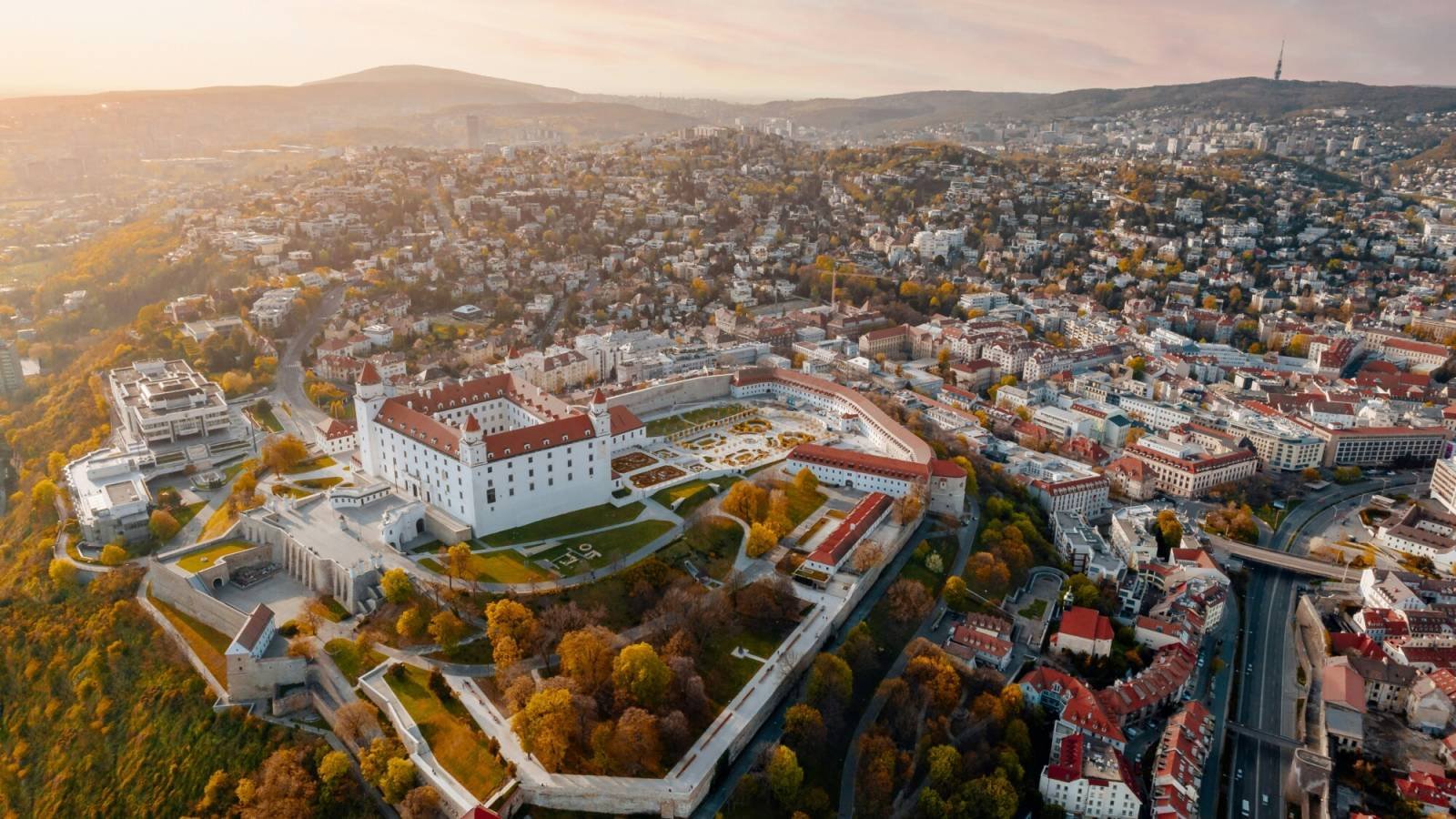
Why: Charming capital on the Danube with fairy-tale castle, colorful Baroque streets, quirky statues, vibrant cafes, and lively nightlife.

Must-See:

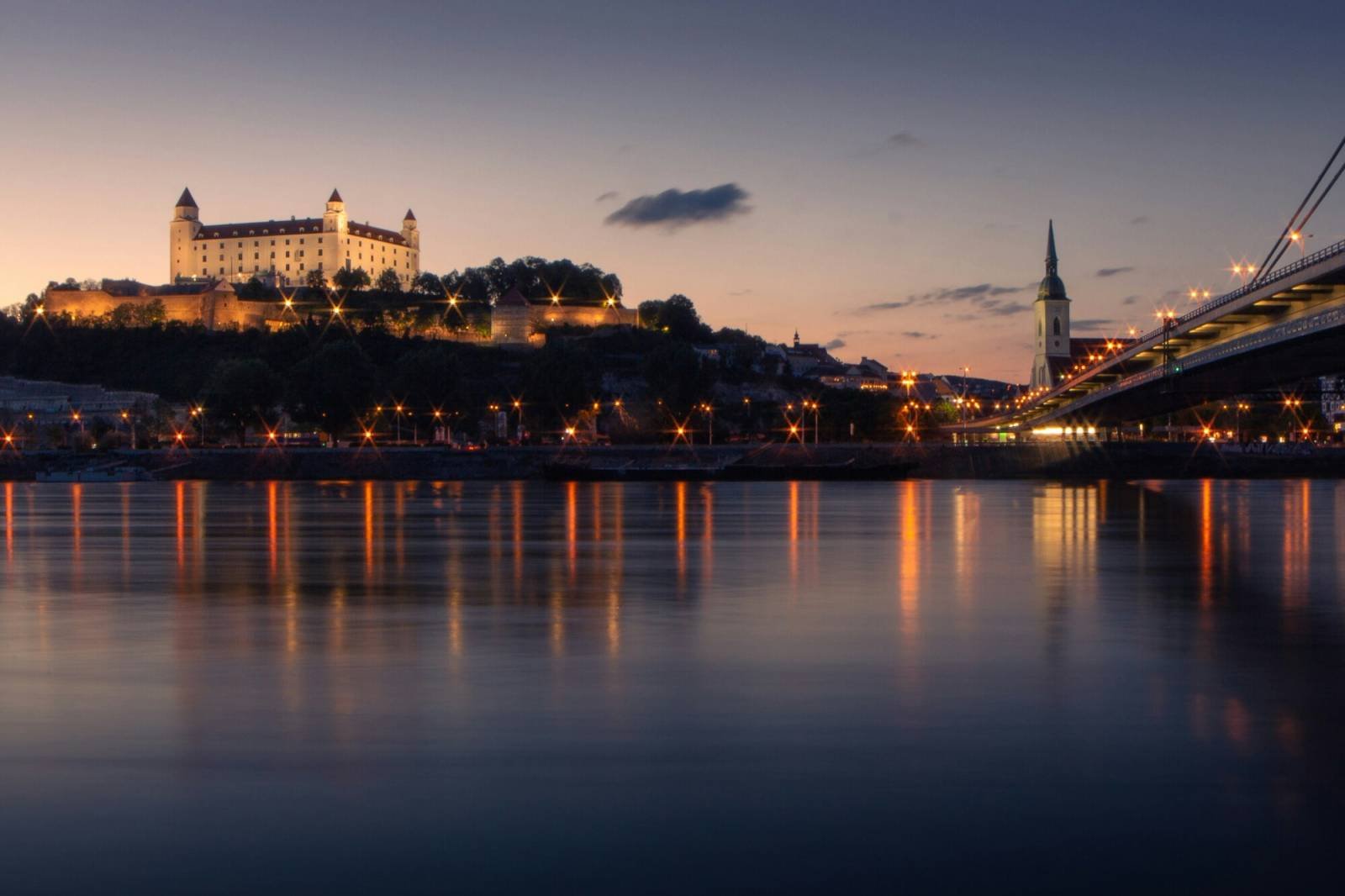
  • Bratislava Castle & panoramic Danube views
  • Old Town (Staré Mesto) & Michael’s Gate
  • St. Martin’s Cathedral & quirky Cumil statue
  • Devin Castle ruins nearby

How: Fly into BTS (€30–300 from Europe) or nearby Vienna (VIE). Stay central (€50–150/night). Walk or use cheap public transport.

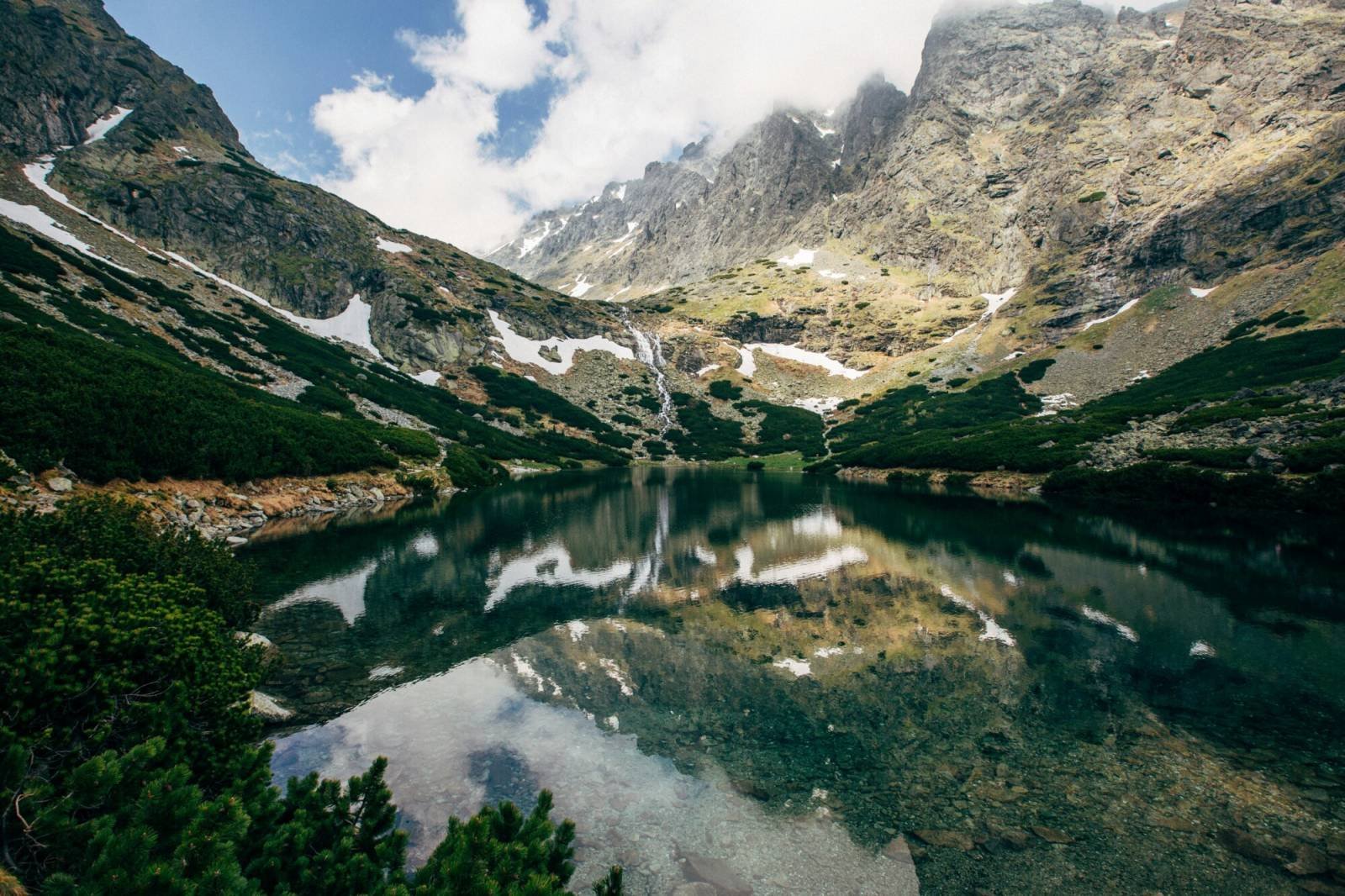
High Tatras

Tip: Use the Tatra Electric Railway for easy access; book cable cars or guided hikes in advance during summer peak.

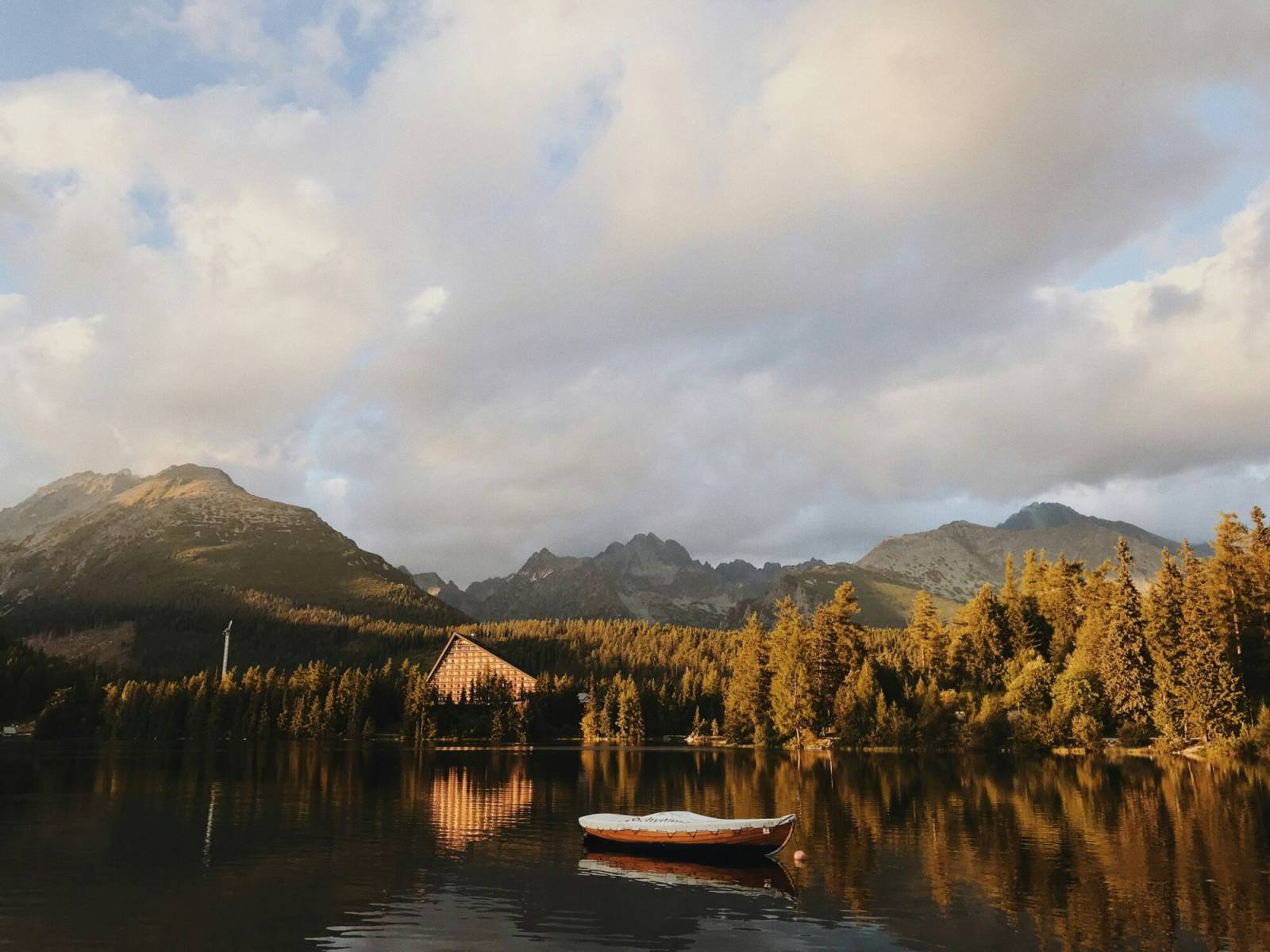
Why: Dramatic alpine mountains with jagged peaks, glacial lakes, waterfalls, and excellent hiking/skiing – Slovakia’s natural crown jewel.

Must-See:

  • Štrbské Pleso lake & trails
  • Popradské Pleso & Hrebienok funicular
  • Tatranská Lomnica & Skalnaté Pleso cable car
  • Kriváň peak viewpoint hikes

How: Train/bus from Bratislava to Poprad (€20–40, 4–5 hrs), then Tatra Railway. Stay in resorts (€60–200/night). Car or train ideal.

Spiš Castle

Tip: Visit early for fewer crowds; combine with nearby UNESCO sites like Žehra or Levoča.

Why: One of Europe’s largest castle complexes (UNESCO-listed) with dramatic hilltop ruins and medieval history.

Must-See:

  • Castle towers & panoramic views
  • Restored rooms & exhibits
  • Surrounding Spišské Podhradie village
  • Sunset over the ruins

How: Train/bus to Spišské Podhradie from Košice or Poprad (€5–15). Day trip or stay nearby (€40–90/night). Guided tours available.

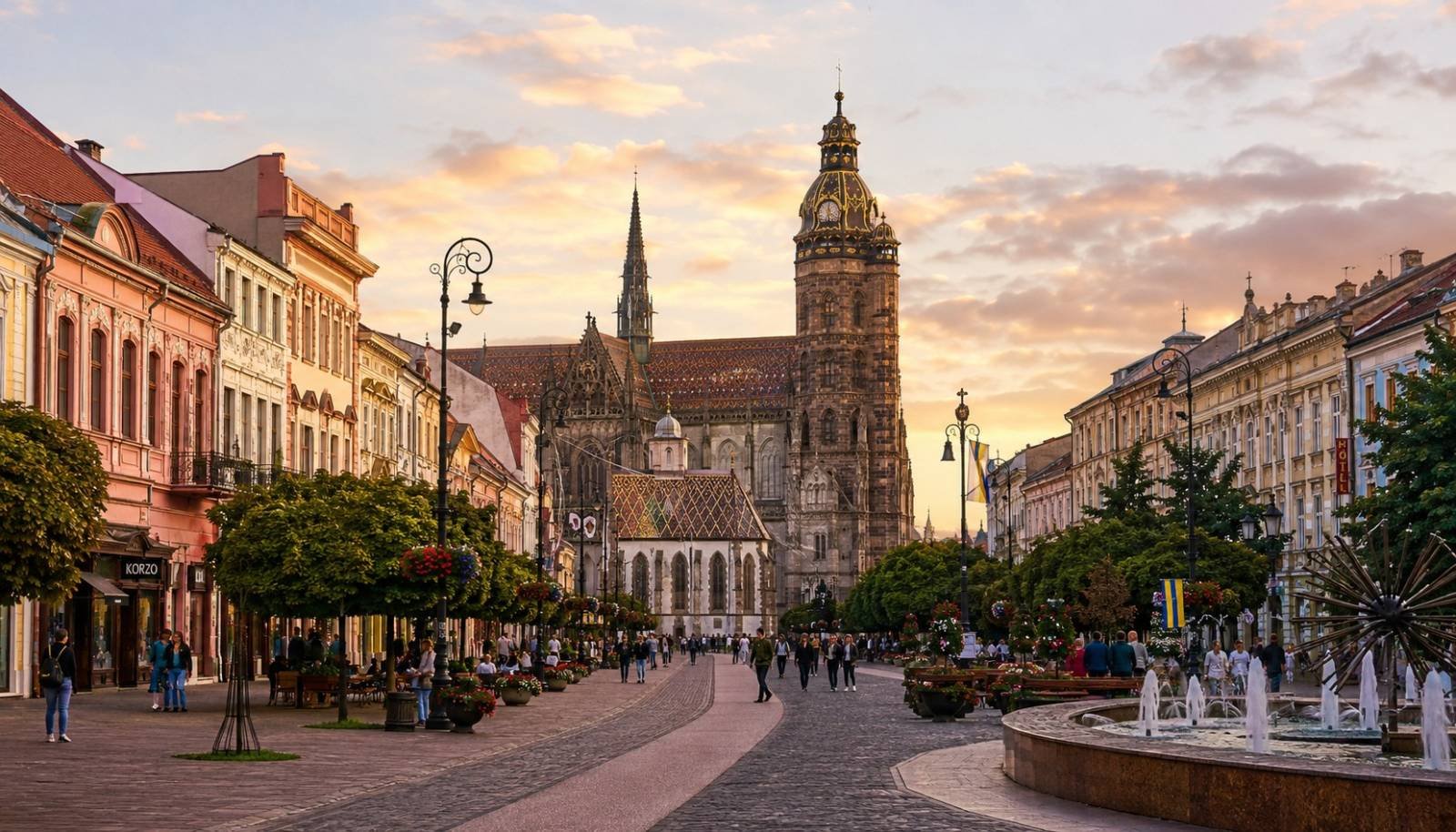
Košice

Tip: Walk the main street Hlavná; visit during summer festivals for lively atmosphere.

Why: Slovakia’s second city with Gothic cathedral, vibrant cultural scene, historic center, and eastern gateway charm.

Must-See:

  • St. Elisabeth Cathedral & Singing Fountain
  • Hlavná Square & State Theatre
  • East Slovak Museum & Mikluš Prison
  • Urban beaches along Hornád River

How: Fly into KSC or train/bus from Bratislava (€20–50, 4–5 hrs). Stay central (€40–120/night). Walkable city center.

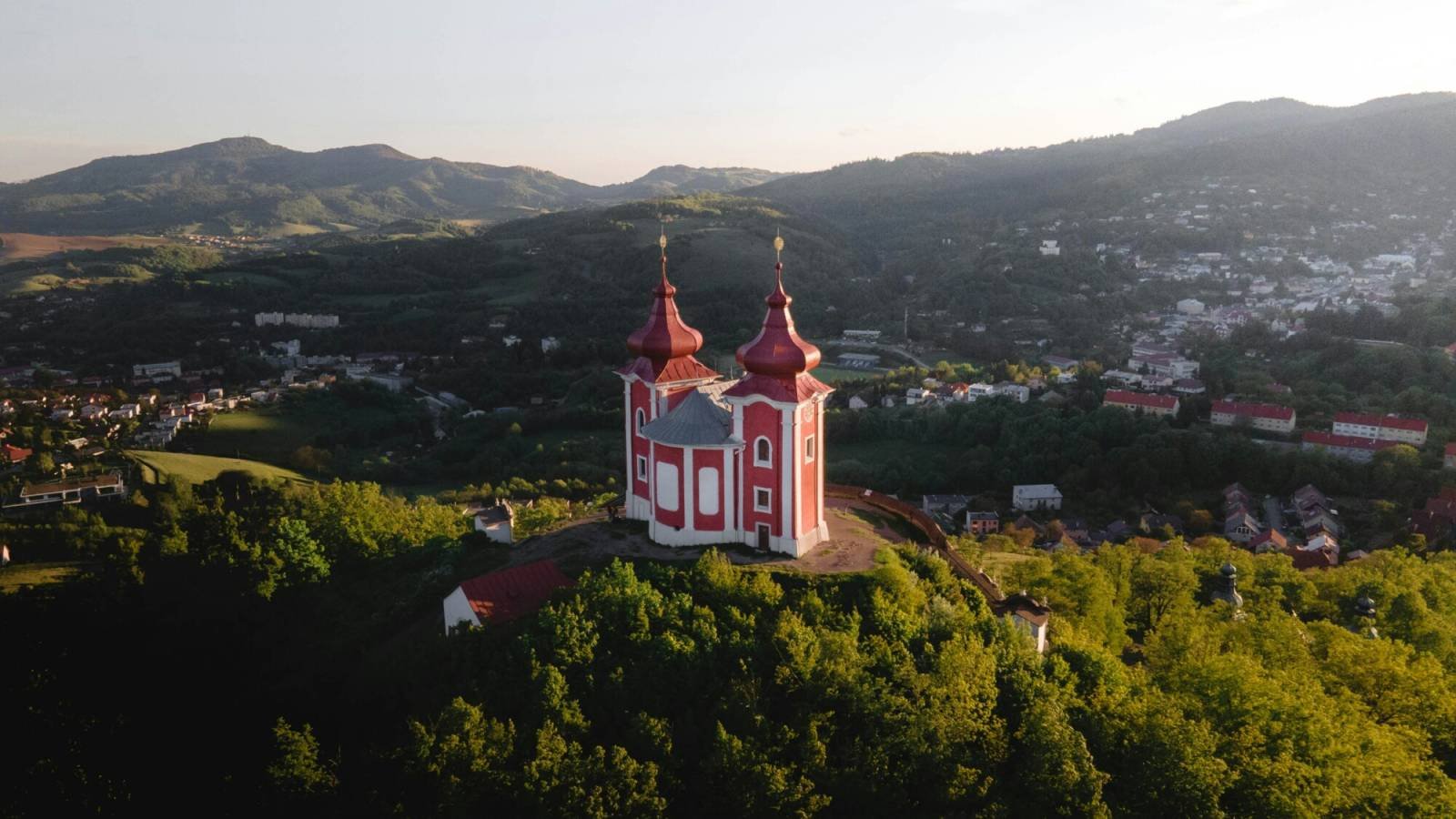
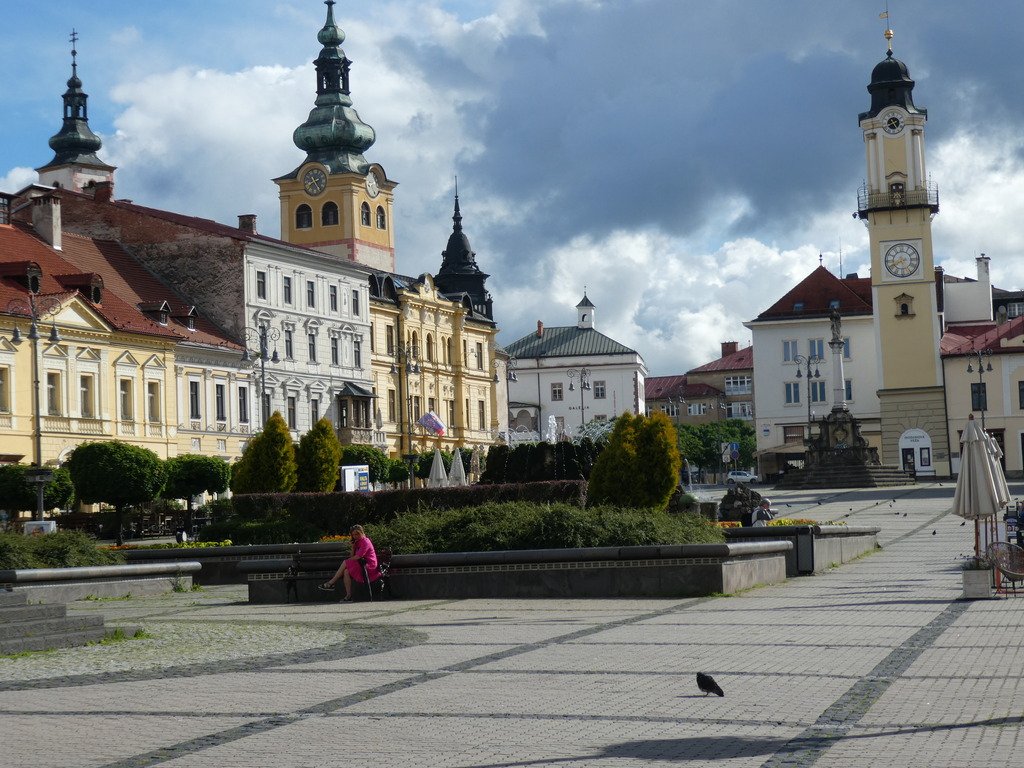
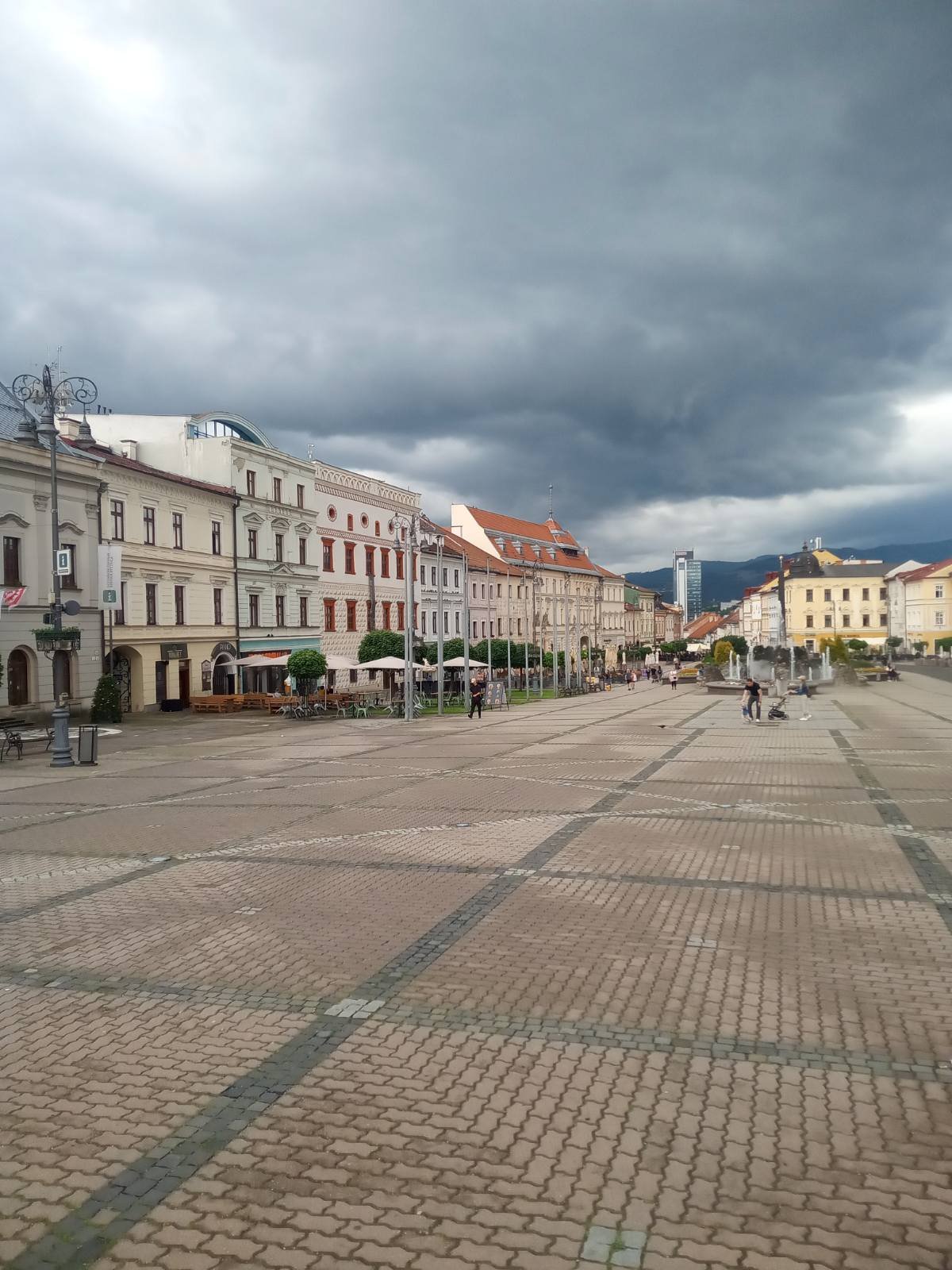
Banská Štiavnica

Tip: Join a guided mining tour; explore on foot through hilly streets.

Why: UNESCO-listed historic mining town in a volcanic caldera with Renaissance architecture, lakes, and open-air museums.

Must-See:

  • Old Town & Trinity Square
  • Old Castle & New Castle museums
  • Štiavnica Lakes & calvary path
  • Mining open-air museum

How: Bus from Bratislava or Banská Bystrica (€10–20, 2–3 hrs). Stay in historic guesthouses (€50–100/night). Walk or local buses.

Slovenský Raj National Park

Tip: Wear sturdy shoes for ladders/ferrata; book entry in peak season.

Why: Rugged gorges, waterfalls, ladders, and bridges – an adventurous paradise for hikers and nature lovers.

Must-See:

  • Suchá Belá gorge & ladders
  • Prielom Hornádu river trail
  • Tomášovský výhľad viewpoint
  • Waterfalls & Dobšinská ľadová jaskyňa cave nearby

How: Bus/train to Podlesok or Dedinky from Poprad (€10–20). Stay in chalets (€40–90/night). Guided tours or self-hike.

Bojnice Castle

Tip: Visit during summer ghost tours or medieval festivals; book tickets online.

Why: Romantic fairy-tale castle with towers, zoo, and legends – one of Slovakia’s most picturesque.

Must-See:

  • Castle interiors & chapel
  • Bojnice Zoo & gardens
  • Thermal springs nearby
  • Night tours & events

How: Train/bus from Bratislava or Trenčín (€10–25, 2 hrs). Day trip or stay nearby (€50–120/night).

Orava Castle

Tip: Climb to the top for views; visit in good weather for outdoor exhibits.

Why: Dramatic medieval fortress perched on a rock above the Orava River – stunning and photogenic.

Must-See:

  • Castle towers & courtyards
  • Exhibits & torture chamber
  • River valley views
  • Nearby Oravská priehrada dam

How: Bus/train to Oravský Podzámok from Žilina (€5–15). Day trip or stay local (€40–80/night). Short walk uphill.

What To See In Slovakia

Travel Guides

Travel Guides

Travel Stories

Travel Stories