GREECE
TRAVEL GUIDE
HOW TO TRAVEL IN GREECE
Discover Greece: Your Ultimate Travel Guide to Ancient Wonders, Stunning Islands, and Vibrant Culture. Explore Historical Landmarks, Indulge in Delicious Cuisine, and Experience the Rich Traditions of Greece. Plan Your Perfect Trip with Tips on Getting There, Getting Around, When to Visit, and Safety Advice. Uncover the Best of Greek History, Food, and Culture in This Comprehensive Guide for an Unforgettable Journey to the Heart of the Mediterranean
Magnificent Greece Travel Guide: Your Gateway to Unforgettable Adventures
Welcome to the Magnificent Greece Travel Guide, your essential companion for exploring one of the most enchanting and historic countries in the world. Greece captivates with its legendary ancient ruins, sun-drenched islands, turquoise Aegean and Ionian seas, world-famous Mediterranean cuisine, and timeless mythology. This guide covers eight top destinations, cultural experiences, and practical tips to ensure a seamless and unforgettable journey. Whether you’re standing in awe at the Acropolis in Athens, island-hopping through the Cyclades, sailing the Dodecanese, savoring fresh seafood and souvlaki on Crete, hiking volcanic trails on Santorini, or discovering Byzantine treasures in Thessaloniki, let this guide inspire your adventure in Greece.
How to Travel to Greece
Need to Know
Essential facts to help you plan your trip to Greece – from visa and currency to safety and connectivity.
Why Travel to Greece
Tip: Greece blends ancient history, mythical islands, turquoise seas, Mediterranean cuisine, and warm hospitality.
Why: Iconic sites like the Acropolis, Santorini sunsets, Crete beaches, Delphi oracle, and vibrant Athens make it endlessly captivating.
How: Visit ruins and museums (€10–20), enjoy fresh seafood (€15–40), and book ferries/island tours via Ferryhopper or GetYourGuide (€30–100).
Do I Need a Visa
Tip: Schengen visa rules apply – 90 days visa-free for many nationalities (EU, US, Canada, Australia, UK, etc.). ETIAS required from late 2026 (€7).
Why: Allows legal short stays in the Schengen Area (up to 90 days in 180).
How: Check eligibility on official EU sites. Apply for ETIAS online once launched (for visa-exempt). Passport valid 3 months beyond stay. Visa if needed (€90 Schengen fee).
What is the Currency of Greece
Tip: The currency is the Euro (€). Average daily budget €80–180 depending on islands vs mainland and season.
Why: Euro is standard across Greece for easy payments.
How: Contactless cards/Apple Pay widely accepted. Use ATMs (€2–5 fee possible). Avoid high-fee exchanges. Consider Revolut/Wise for low-cost transfers.
Is Greece Expensive to Visit
Tip: Costs vary – Athens and popular islands (Santorini, Mykonos) are pricier; Crete, Rhodes, mainland, and off-season are more affordable.
Why: Options from budget rooms to luxury resorts; meals €10–40, ferries €30–100.
How: Stay in guesthouses/Airbnb (€50–150). Eat at tavernas (€12–30). Book ferries early via Ferryhopper for deals.
Can I Drink the Tap Water
Tip: Generally safe on the mainland and larger islands; bottled water preferred on smaller islands or during summer.
Why: Quality varies by region; many locals drink tap water in cities, but tourists often choose bottled to avoid stomach issues.
How: Ask locals or hotel staff. Buy bottled water (€0.50–1.50). Refill at public fountains where marked safe.
Can I Buy a SIM Card
Tip: Prepaid SIM or eSIM easy to get for data and calls (€10–40).
Why: Strong 4G/5G coverage on mainland and most islands for maps, ferries, and staying connected.
How: Buy at airports, Cosmote, Vodafone, or Wind shops. eSIM via Airalo or Jetpac (€5–25). Top up online or in-app. EU roaming free for many plans.
Practical Tips for Traveling in Greece
Everything you need to know before you go – from visas and money to safety and transport.
Visa and Documentation
Tip: Schengen visa rules: 90 days visa-free for many nationalities. Passport valid 3 months beyond stay. ETIAS required from late 2026 (€7).
Why: Allows hassle-free entry for tourism within the Schengen Area (up to 90 days in 180).
How: Check eligibility on official EU sites. Apply for ETIAS online once launched (no action needed yet in early 2026). Carry proof of funds, accommodation, and return ticket. Islands are still Schengen.
Currency and Payments
Tip: Euro (€) is the currency. Cards (Visa/Mastercard) widely accepted in cities and tourist areas; contactless and Apple Pay common.
Why: Convenient for most payments; cash essential on smaller islands or rural areas.
How: Use ATMs for withdrawals (€2–5 fee possible). Apps like Revolut/Wise for low fees. Carry €100–200 cash for tavernas, ferries, or remote spots.
Language and Communication
Tip: Learn basics: “Kaliméra” (good morning), “Efcharistó” (thank you), “Parakaló” (please/you’re welcome).
Why: English widely spoken in tourist areas, hotels, and islands; less so in rural mainland or small villages.
How: Use Google Translate offline ($0). Buy a prepaid SIM (€10–40) for data. Smile and “Kaliméra” opens doors everywhere.
Safety and Dangers in Greece
Tip: Beware pickpocketing in Athens (metro, Plaka, Monastiraki) and crowded ferry ports. Avoid demonstrations in Athens.
Why: Petty crime in tourist hotspots; low violent crime overall. Wildfires and heatwaves possible in summer.
How: Use anti-theft bags ($0). Stay aware in crowds. Follow local fire alerts (summer). Register with embassy apps. Level 1–2 advisory.
More Safety Tips for GreeceAccommodation Options
Tip: Budget rooms/hostels in Athens (€30–70/night), island studios/apartments (€50–150/night), hotels (€80–250/night).
Why: Wide range from backpacker hostels to luxury resorts suits all budgets.
How: Book via Booking.com or Airbnb ($0 fees for browsing). Look for off-peak or shoulder-season deals. Consider family-run pensions on islands.
Transportation
Tip: Ferries (€30–100+), domestic flights (€40–120), buses (€10–40), Athens metro (€1.20/ticket).
Why: Islands require ferries or flights; mainland well-connected by KTEL buses and trains.
How: Book ferries on Ferryhopper or Direct Ferries. Use Athens metro for city. Rent scooters/cars on islands (€20–60/day). Book early in summer.
How to Get to & Around Greece
Everything you need to know about arriving in Greece and moving around the mainland and islands.
Travel & Transport
International Arrival
Tip: Fly into Athens (ATH) – Greece’s main international gateway. Flights €200–800 from North America, €50–300 from Europe. Other gateways: Thessaloniki (SKG), Heraklion Crete (HER), Rhodes (RHO), Santorini (JTR), Mykonos (JMK).
Why: Athens handles most long-haul flights with excellent worldwide connections; many islands have seasonal direct charter/low-cost flights in summer.
How: Compare flights on Skyscanner or Google Flights ($0). Ferries from Italy (Ancona, Bari, Brindisi) to Patras/Igoumenitsa/Corfu (€50–150, 8–16 hrs). Buses (FlixBus) from Balkans (€20–80).
Domestic Transport Options
- Ferries to Islands – €20–150 (conventional Blue Star slow/cheap, fast SeaJets/Hellenic Seaways). Why: Main way to reach islands (hundreds of daily routes in summer). How: Book early via Ferryhopper or Direct Ferries (peak July–Aug sells out fast).
- Domestic Flights – €40–150 (Aegean/Olympic, Ryanair, Sky Express). Why: Fastest for distant islands (Athens–Crete 50 min, Athens–Rhodes 1 hr). How: Book via airline sites or Skyscanner; many seasonal summer routes.
- KTEL Buses (Mainland) – €8–50. Why: Reliable/cheap for Peloponnese, Central Greece, Thessaly, Epirus. How: Buy tickets at KTEL stations or online (ktelbus.gr); frequent departures from Athens Kifissos terminal.
- Athens Metro/Tram/Bus – €1.20–€9 (airport line €9). Why: Efficient for city, Piraeus port, airport, beaches. How: Buy tickets at machines or app; 24-hour ticket €4.10; contactless accepted.
- Taxis / Rideshares (Bolt/Uber) – €5–40 city rides, €30–60 airport. Why: Convenient in Athens/Thessaloniki; useful on larger islands. How: Use Bolt/Uber apps in cities; negotiate or use taxi apps on islands; fixed airport rates posted.
- Car / Scooter Rental – €25–80/day. Why: Essential for exploring large islands (Crete, Rhodes, Corfu) or rural mainland. How: Rent via Rentalcars.com or local agencies; international license often required; drive on right.
- Walking & Biking on Islands – Free or €5–15/day rental. Why: Best way to explore small towns, beaches, and historic sites (Plaka in Athens, Chora on islands). How: Rent bikes/scooters locally; wear good shoes for hilly cobblestone paths.
- Local Boats / Water Taxis – €5–50 short hops. Why: Connect nearby islands or reach secluded beaches. How: Book at ports or via hotel; popular for day trips (e.g., Mykonos to Delos, Santorini caldera tours).
When to Go to Greece
Plan your perfect trip with our guide to weather, festivals, crowd levels, and regional highlights.
Best Time to Visit
Tip: Travel in late spring (May–early June) or early fall (September–early October) for mild weather, fewer crowds, and lower prices.
Why: Pleasant temperatures (20–28°C), calm seas, blooming spring or golden autumn light, and manageable crowds at major sites like Athens, Santorini, and Crete.
How: Book ferries/accommodations 2–4 months ahead. Pack layers for cooler evenings. Avoid peak July–August for lower costs and easier ferry bookings.
Weather by Season
Spring (Mar–May): 12–24°C. Blooming wildflowers, mild seas; ideal for Athens, Delphi, Crete hikes; occasional rain early spring.
Summer (Jun–Aug): 25–35°C+. Hot and sunny; perfect for beaches/islands but very crowded and hot inland; meltemi winds cool Cyclades.
Fall (Sep–Nov): 18–28°C. Warm seas, golden light; great for islands, wine harvest, fewer crowds; rain increases late fall.
Winter (Dec–Feb): 8–16°C. Cooler and wetter mainland/north; mild islands; many hotels/restaurants close; Christmas in Athens lively.
Major Festivals & Events
Easter (Orthodox, varies Apr/May): Holy Week processions, midnight Resurrection, lamb feasts – most important holiday.
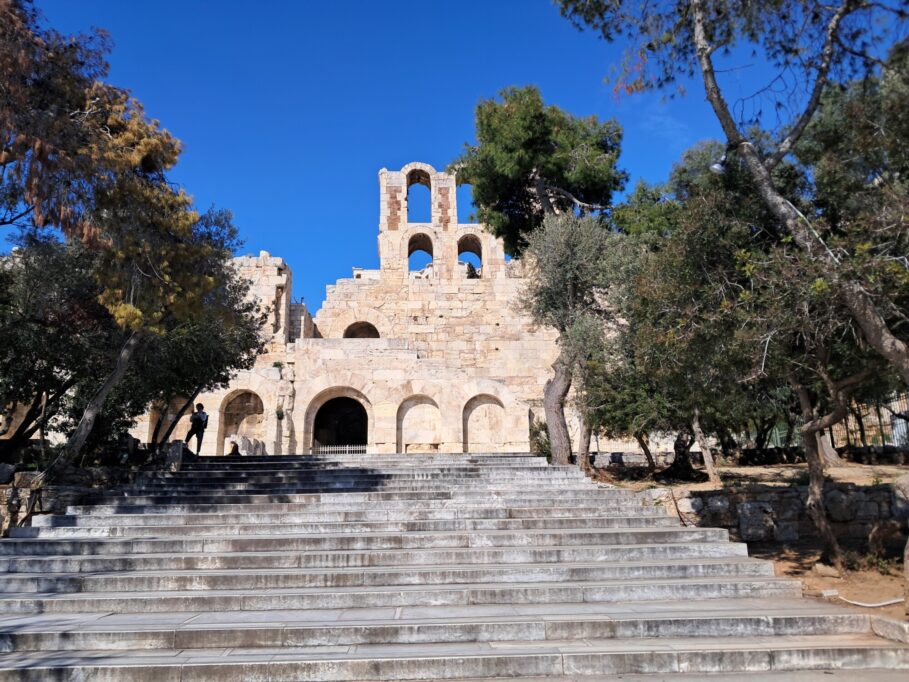
Athens Epidaurus Festival (Jun–Aug): Ancient theater performances, music, dance at Herodion and Epidaurus.
Santorini Caldera Festival (summer): Classical music concerts with volcano backdrop.
Independence Day (Mar 25): Parades, fireworks, school celebrations nationwide.
Ochi Day (Oct 28): National holiday with parades and military displays.
Crowd Levels & Costs
Peak Season (Jul–Aug & Easter): Hotels +50–150%. Santorini, Mykonos, Athens busiest. Ferries/accommodations book out months ahead.
Low Season (Nov–Mar, excluding Christmas/Easter): 40–70% cheaper. Many islands/hotels closed; Athens and Crete still lively.
Shoulder Season (May–Jun & Sep–Oct): Best balance – warm weather, swimmable seas, fewer crowds, better ferry/hotel deals.
Regional Travel Tips
Athens: Year-round. Spring/fall for Acropolis comfort; summer hot but vibrant nightlife.
Cyclades (Santorini, Mykonos): May–Oct for beaches/ferries; shoulder for calm caldera views and lower prices.
Crete: Apr–Oct for beaches/hiking; year-round for Chania/Rethymno; winter mild but quiet.
Ionian Islands (Corfu, Zakynthos): May–Oct for beaches; spring/fall for hiking and fewer crowds.
Packing Essentials
Spring/Fall: Layers, light jacket, scarf, comfortable walking shoes (cobblestones), umbrella/raincoat, swimsuit for late spring.
Summer: Breathable clothes, hat, sunglasses, high SPF sunscreen, sturdy sandals, sarong/beach cover-up.
Winter: Warm layers, waterproof jacket, boots; lighter on islands.
Year-round: EU plug adapter (Type C/F), reusable water bottle, cross-body bag, modest clothing for monasteries/churches, good walking shoes.
Top Destinations in Greece
Discover 8 must-visit places from ancient capitals to dreamy islands and sacred sites.
Top Destinations in Greece
Athens
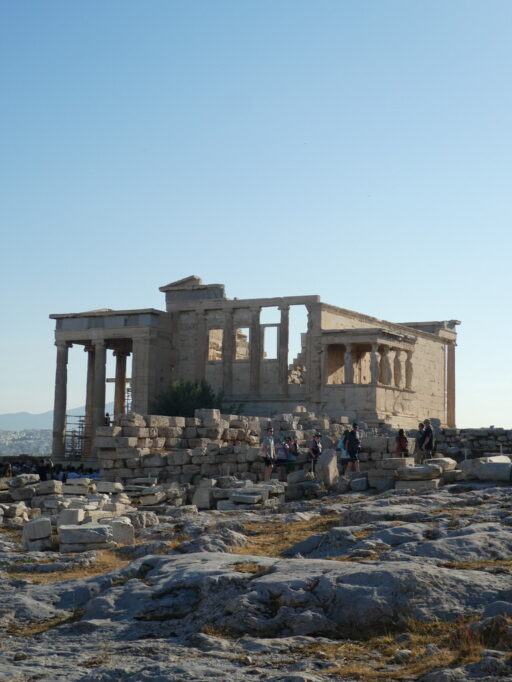
Tip: Buy the €30 Acropolis combo ticket (includes 6 sites) and visit early morning or late afternoon to beat crowds and heat.
Why: Birthplace of democracy with the iconic Acropolis, ancient Agora, Plaka neighborhood, and vibrant modern life.
Must-See:
- Acropolis & Parthenon (€20 standalone or €30 combo)
- Acropolis Museum (€15)
- Ancient Agora & Temple of Hephaestus
- Plaka & Monastiraki flea market
How: Fly into ATH (€200–800). Stay in Plaka or Monastiraki (€60–250/night). Use Athens metro (€1.20–€9) or walk.
Santorini
Tip: Stay in Oia or Fira for caldera views; book sunset spots early. Visit in shoulder season (May/June or Sep/Oct) for fewer crowds.
Why: Iconic whitewashed villages, volcanic black-sand beaches, stunning sunsets, and dramatic caldera scenery.
Must-See:
- Oia sunset & blue-domed churches
- Fira caldera walk & cable car
- Red Beach & Perissa black-sand beach
- Akrotiri archaeological site (€12)
How: Fly into JTR or ferry from Athens/Piraeus (€40–100). Stay in Oia/Fira (€100–400/night). Rent ATV/scooter (€30–60/day).
Mykonos
Tip: Visit Little Venice at sunset. Book beach clubs early in summer. Explore inland villages for quieter charm.
Why: Glamorous Cycladic island with whitewashed alleys, windmills, vibrant nightlife, and beautiful beaches.
Must-See:
- Little Venice & windmills
- Paradise & Super Paradise beaches
- Mykonos Town (Chora) labyrinth streets
- Delos island day trip (UNESCO, €20 ferry + €8 entry)
How: Fly into JMK or ferry from Athens/Piraeus (€50–150). Stay in Chora (€120–500/night). Rent ATV/quad (€40–80/day).
Crete
Tip: Rent a car to explore beyond Chania/Heraklion. Visit Knossos early to avoid heat/crowds.
Why: Greece’s largest island with Minoan ruins, stunning beaches, gorges, mountains, and authentic villages.
Must-See:
- Knossos Palace (€15)
- Chania Old Town & Venetian harbor
- Samaria Gorge hike (spring/fall best)
- Balos Lagoon & Elafonisi pink-sand beach
How: Fly into HER or CHQ (€50–200). Rent car (€30–70/day). Stay in Chania/Heraklion/Rethymno (€60–250/night).
Rhodes
Tip: Walk the medieval Old Town walls at sunset. Visit Lindos Acropolis early morning.
Why: Best-preserved medieval Old Town (UNESCO), ancient sites, beautiful beaches, and butterfly valley.
Must-See:
- Rhodes Old Town & Street of the Knights
- Lindos Acropolis & St. Paul’s Bay
- Valley of the Butterflies (summer)
- Anthony Quinn Bay & Faliraki beach
How: Fly into RHO (€50–200). Rent car/scooter (€25–60/day). Stay in Rhodes Town or Lindos (€70–250/night).
Corfu
Tip: Visit Achilleion Palace and Paleokastritsa in one day by car. Try kumquat liqueur.
Why: Lush Ionian island with Venetian architecture, emerald bays, olive groves, and British/French influences.
Must-See:
- Old Town Corfu (UNESCO) & Liston
- Paleokastritsa Monastery & beaches
- Achilleion Palace (€10)
- Mouse Island (Pontikonisi) & Vlacherna Monastery
How: Fly into CFU (€50–200). Rent car (€30–70/day). Stay in Corfu Town or Paleokastritsa (€70–250/night).
Delphi
Tip: Visit early morning or late afternoon for cooler temps and fewer crowds. Combine with Meteora.
Why: Ancient oracle site (UNESCO) set in stunning mountain scenery; center of the ancient world.
Must-See:
- Temple of Apollo & Theater
- Delphi Museum (€12 combo ticket)
- Castalian Spring & Sacred Way
- Stadium & Treasury of the Athenians
How: Bus from Athens (€15–20, 2.5 hrs) or day tour (€60–100). Stay in Delphi village (€60–150/night).
Meteora
Tip: Visit monasteries early to avoid crowds. Wear modest clothing (long pants/skirts, covered shoulders).
Why: Dramatic rock pillars topped with Byzantine monasteries (UNESCO); breathtaking views and spiritual atmosphere.
Must-See:
- Great Meteoron & Varlaam monasteries
- Rousanou & St. Stephen (easiest access)
- Sunset from Psaropetra viewpoint
- Hiking trails between monasteries
How: Train from Athens to Kalambaka (€30–50, 4 hrs) or bus. Rent car or join tours (€60–120). Stay in Kalambaka/Kastraki (€60–180/night).