
Discovering Corsica: Bastia’s Blend of French and Italian Charm
From Napoleon’s statue to cobbled streets and an unexpected Laotian meal
Corsica, a Mediterranean island with a unique blend of French and Italian influences, has a fascinating history. Having been under Italian rule for centuries before becoming part of France in 1769, it retains a distinct Corsican identity while mixing the best of both cultures.
In Bastia, the island’s northern gateway, a grand marble statue of Napoleon stands guard over the city. The main square, Place St-Nicolas, faces the sea and is lined with elegant buildings. It’s a lively spot filled with bars, cafés, and restaurants spilling onto the pavements — perfect for an evening aperitif, even if it feels a bit touristy.
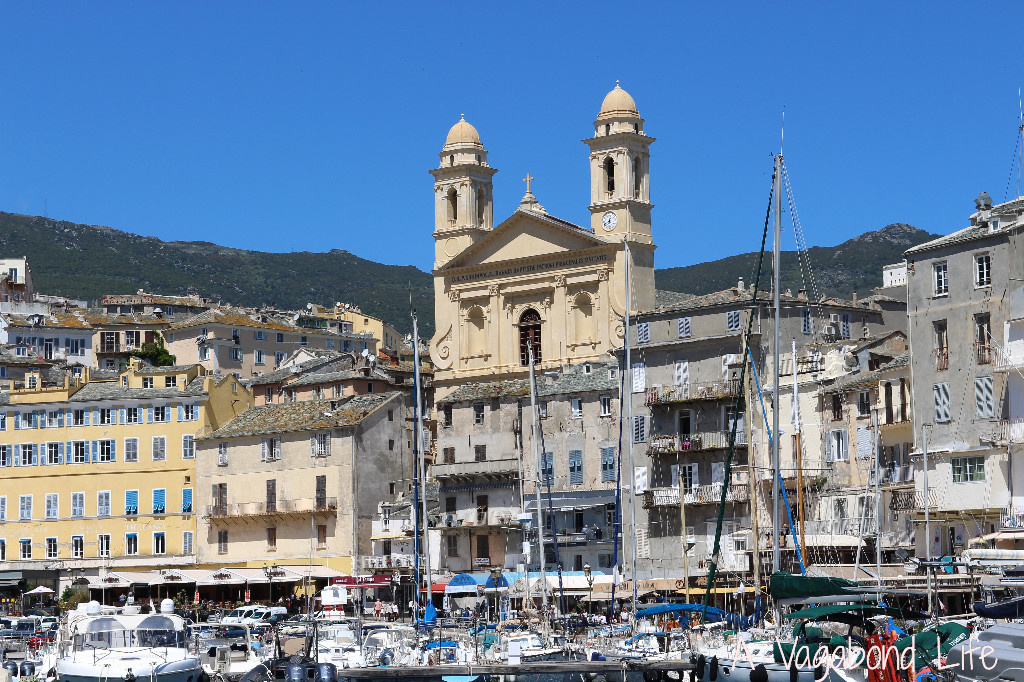
Exploring the old town, Terra Vecchia, is a highlight. The maze of cobbled streets and historic buildings is charming to wander through. The Vieux Port (old port) is especially picturesque, with colorful houses stacked up the hillside. The only downside is the heavy traffic squeezing through the narrow lanes.
Our arrival in Bastia didn’t go smoothly. Our flight from Toulouse was delayed, and EasyJet struggled with hand luggage on a full plane. We ended up missing the “bus that meets the plane,” which runs on a strict schedule regardless of delays. After a long wait, we finally made it into town.
We stayed at a hotel with a surprisingly large bathroom, just a short walk from Place St-Nicolas. That evening we enjoyed a local meal paired with a good bottle of Corsican red wine. The next day we discovered a charming Laotian restaurant on Place Marche in Terra Vecchia. It felt wonderfully odd eating authentic Laotian food in Corsica, but it made sense — Laos was once a French protectorate.
Our original plan was to spend a few days in Bastia before heading north to Cap Corse for a week in a village. Unfortunately, we struggled to find accommodation (many places didn’t respond or were fully booked), and the tourist office was closed for the long weekend, leaving the bus schedule a mystery. With no clear way forward, we decided to cut our losses and took a ferry across to Italy.
Bastia offered us a pleasant taste of Corsica’s French-Italian character — beautiful squares, atmospheric old streets, and unexpected culinary surprises. While our plans for Cap Corse didn’t work out, the island still left us with warm memories and a desire to return one day.