SINGAPORE
TRAVEL GUIDE
Singapore, the vibrant “Lion City,” is a destination that offers an incredible blend of modern marvels, rich history, and diverse cultures. This travel guide to Singapore will help you uncover the city’s top attractions, hidden gems, and must-know tips to make the most of your visit. From iconic landmarks like Marina Bay Sands and Gardens by the Bay to bustling hawker centers serving world-class cuisine, discover why Singapore is a traveler’s dream. Let’s dive into this ultimate guide!
Singapore Travel Guide: Your Gateway to Unforgettable Adventures
Welcome to the Singapore Travel Guide, your essential companion for exploring one of Asia's most dynamic, clean, and multicultural city-states. A perfect blend of futuristic architecture, lush green spaces, rich heritage, and world-renowned food, Singapore offers travellers an ultra-modern yet deeply cultural experience in a compact, easy-to-navigate destination.
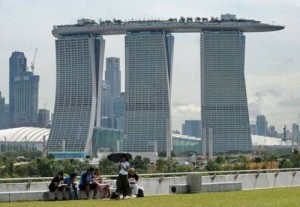
At the heart of Singapore stands the iconic Marina Bay Sands with its breathtaking infinity pool views, the dazzling Supertree Grove and flower domes of Gardens by the Bay, and the futuristic skyline reflected in Marina Bay. Stroll the waterfront promenade at night to see the Spectra light-and-water show, or take a ride on the Singapore Flyer for panoramic city vistas.
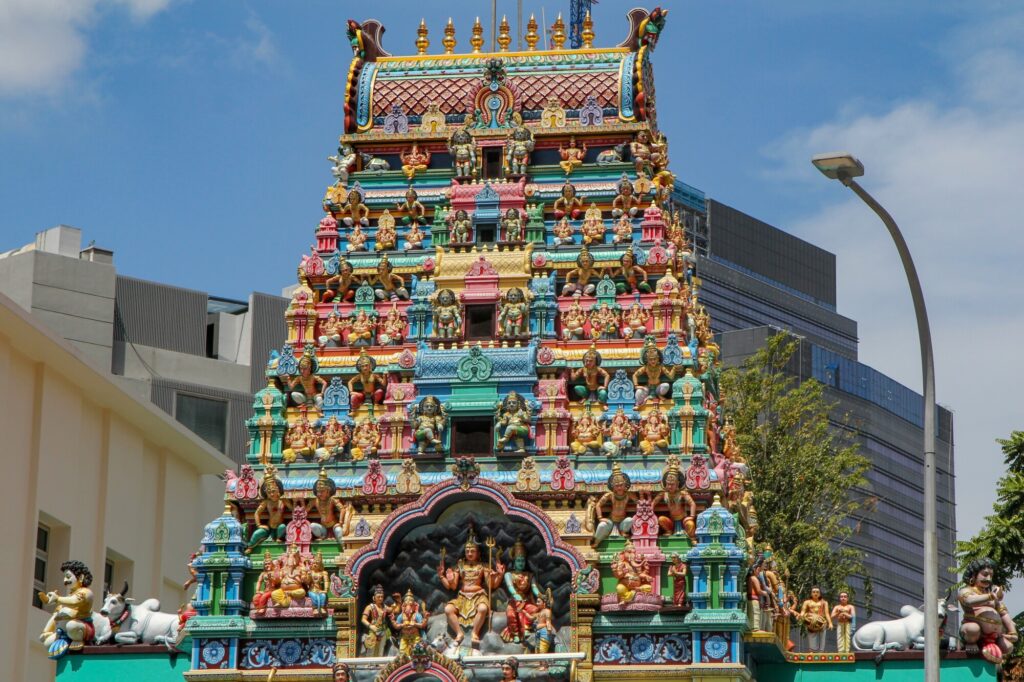
Further exploration reveals Singapore's multicultural soul: wander the colourful streets of Chinatown with its temples, street art, and heritage shophouses; immerse yourself in the vibrant sights, sounds, and spices of Little India; discover the colonial charm and Peranakan culture of Katong and Joo Chiat; and relax in the green oasis of the Botanic Gardens, a UNESCO World Heritage Site famous for its National Orchid Garden.
Food is a highlight — Singapore is a global culinary capital. Sample hawker centre classics like Hainanese chicken rice, chilli crab, laksa, satay, roti prata, and char kway teow at iconic spots like Maxwell Food Centre, Lau Pa Sat, or Chinatown Complex. Don't miss the diverse flavours of Kampong Glam's Arab Street or the Peranakan dishes in Katong.
For fun and relaxation, head to Sentosa Island with its beaches, Universal Studios Singapore, S.E.A. Aquarium, Adventure Cove Waterpark, and cable car rides offering stunning views. Nature lovers will enjoy MacRitchie Reservoir's treetop walk, Southern Ridges trails, or the tranquil Pulau Ubin island with its kampong vibes and cycling paths.
This guide covers top destinations, cultural experiences, and practical tips to ensure a seamless and unforgettable journey. Whether you’re marvelling at the Supertrees at dusk, savouring Michelin-starred hawker food, exploring ethnic neighbourhoods, cruising the Singapore River, shopping along Orchard Road, or discovering hidden gems like the historic Thian Hock Keng Temple, Haw Par Villa, or the futuristic Jewel Changi Airport with its indoor waterfall, let this guide inspire your adventure in Singapore — a city where tradition meets innovation in perfect harmony.
How to Travel to Singapore
Need to Know
Essential facts to help you plan your trip to Singapore – from visa and currency to safety, transport and connectivity.
Why Travel to Singapore
Tip: Singapore offers futuristic architecture, lush gardens, world-class food hawker centres, multicultural neighbourhoods, theme parks, beaches, and ultra-efficient transport in one of Asia's safest and cleanest cities.
Why: Must-see highlights like Marina Bay Sands infinity pool, Gardens by the Bay Supertrees, Sentosa Island, Chinatown, Little India, Kampong Glam, Orchard Road shopping, Michelin-starred hawker food, Jewel Changi Airport waterfall, and easy day trips make it a perfect blend of modern innovation, cultural diversity, and green spaces—ideal for first-time Asia travellers, foodies, families, and city explorers in 2026.
How: Visit iconic sites (often free or $10–30 entry), enjoy hawker meals ($3–10), use MRT/bus ($1–3 per ride), and book experiences like Gardens by the Bay ($20–40) or Universal Studios ($60–80) for a seamless trip.
Do I Need a Visa
Tip: Most nationalities (US, Canada, UK, Australia, EU/Schengen, many others) get visa-free entry for 30–90 days; no visa on arrival needed in 2026 for tourism.
Why: Singapore maintains one of the world's most open visa policies for tourists; passport must be valid 6+ months with blank pages.
How: Arrive at Changi Airport or borders—no fee or application required for eligible nationalities. Check ICA website or embassy for your country (some need eVisa or prior approval). Extensions rare and not usually needed for short stays.
What is the Currency of Singapore
Tip: The currency is the Singapore Dollar (SGD or S$). Average daily budget $60–200 depending on style (cards widely accepted; cash for hawker centres/markets).
Why: SGD is stable and widely used; cards (Visa/Mastercard/Amex) accepted almost everywhere, including hawker stalls; contactless and mobile payments (PayNow, GrabPay) common.
How: Withdraw from ATMs (low/no fees with good cards like Revolut/Wise); exchange at Changi Airport or city money changers for best rates. Carry small SGD notes/coins for hawker centres and buses; USD sometimes accepted but poor rates.
Is Singapore Expensive to Visit
Tip: Moderately priced—more expensive than Southeast Asia neighbours but great value for cleanliness, safety, and convenience in 2026.
Why: Hawker meals $3–10, MRT rides $1–3, hostels $25–60/night, mid-range hotels $100–250; free attractions (Gardens by the Bay outdoor, Merlion, Chinatown walks) keep costs down.
How: Eat at hawker centres ($10–30/day), use MRT/bus (EZ-Link card), stay in hostels or budget hotels, visit free sites. Luxury travelers can spend $300+ on hotels and fine dining.
Can I Drink the Tap Water
Tip: Yes—tap water is safe to drink throughout Singapore; among the cleanest and most reliable in the world.
Why: Singapore's NEWater and desalination processes, strict treatment, and constant monitoring ensure high-quality tap water meets WHO standards; hotels and public places provide it freely.
How: Drink straight from taps or public water coolers. Bottled water widely available but unnecessary for most; refill stations common in malls and attractions to reduce plastic.
Can I Buy a SIM Card
Tip: Prepaid SIM or eSIM very easy, cheap, and tourist-friendly ($10–40 for excellent data plans with fast 5G).
Why: Singapore has world-class connectivity—full 5G coverage in city, excellent in most areas; operators Singtel, StarHub, M1 offer reliable service.
How: Buy prepaid SIM at Changi Airport (24/7 counters), convenience stores (7-Eleven, Cheers), or operator shops (passport required for registration). Tourist plans include unlimited calls/SMS + 10–100GB data. eSIM via Airalo, Nomad, Holafly ($10–30 for 7–30 days). Top up via apps, kiosks, or online easily.
Practical Tips for Traveling in Singapore
Everything you need to know before you go – from visas and money to safety and transport.
Visa and Documentation
Tip: Most nationalities (US, UK, Canada, Australia, EU/Schengen, many others) receive visa-free entry for 30–90 days (90 for US/UK/EU, 30 for some others); no visa on arrival needed in 2026 for tourism.
Why: Singapore has one of the world's most open visa policies for short-term visitors; passport must be valid 6+ months with blank pages.
How: Arrive at Changi Airport or borders—no fee or application required for eligible nationalities. Carry return/onward ticket, proof of accommodation/funds if asked (rare). Check ICA website for your nationality; extensions possible but uncommon and require strong reason. Have digital arrival card completed online before landing.
Currency and Payments
Tip: Singapore Dollar (SGD or S$) is the currency. Cards/contactless widely accepted; cash useful for hawker centres/small vendors.
Why: Singapore is highly cashless—Visa/Mastercard/Amex, mobile payments (PayNow, GrabPay, Apple Pay) common even at street stalls; ATMs everywhere.
How: Withdraw from ATMs (low/no fees with good cards like Revolut/Wise); exchange at Changi Airport or city money changers for best rates. Carry small SGD notes/coins ($2–$10) for hawker food and buses. USD sometimes accepted but poor rates; no need to bring large cash amounts.
Language and Communication
Tip: English is the main language—widely spoken and understood everywhere.
Why: Singapore's official languages are English, Mandarin, Malay, Tamil; English is the working/administrative language, so signs, menus, announcements all in English.
How: No need for translation apps in most cases. For fun, learn basics like “Terima kasih” (thank you in Malay) or “Xie xie” (thank you in Mandarin). Buy prepaid SIM or eSIM at Changi Airport ($10–40 for good data); Singtel, StarHub, M1 offer tourist plans with unlimited calls/SMS + 10–100GB. eSIM via Airalo/Nomad convenient. Wi-Fi free in malls, MRT, Changi Airport.
Safety and Dangers in Singapore
Tip: Singapore is one of the safest countries in the world—very low crime, strict laws, and efficient policing.
Why: Violent crime almost non-existent; petty theft rare but possible in crowded areas (e.g., Orchard Road, MRT). Strict laws on drugs, littering, chewing gum, jaywalking—fines/jail possible.
How: Secure valuables in crowds; follow rules (no eating/drinking on MRT, no littering). Use licensed taxis/Grab; avoid unofficial touts. Natural risks minimal—no major earthquakes/tsunamis; stay hydrated in heat. Terrorism risk low but global vigilance applies. Emergency: 999 police, 995 ambulance/fire.
Accommodation Options
Tip: Wide range: hostels/dorms ($25–60/night), budget hotels ($60–150), mid-range ($150–300), luxury ($300+). Central areas like Bugis, Chinatown, Marina Bay best.
Why: Compact city—location matters; Booking.com, Agoda, Hotels.com reliable. Peak season (Chinese New Year, F1) books up fast.
How: Book via Booking.com, Agoda, or direct (many offer free cancellation). Choose MRT-accessible spots (e.g., near City Hall or Bugis). Check reviews; hostels great for solo/backpackers, hotels for comfort. Cash/card payments; some require deposit.
Transportation
Tip: MRT (subway) and buses are best—fast, cheap, air-conditioned; EZ-Link/Nets FlashPay card essential.
Why: Singapore has one of the world's best public transport systems—clean, punctual, extensive coverage. Taxis/Grab affordable but traffic can slow.
How: Buy EZ-Link card at MRT stations/airport ($10–12 including $5 credit). Fares $1–3 per ride; unlimited day passes available. Use Grab app for taxis/rides; walk in central areas. Changi Airport MRT direct to city (~$2–3). No need to rent car—parking expensive and traffic heavy.
How to Get to & Around Singapore
Everything you need to know about arriving in Singapore and moving around its city and attractions.
Travel & Transport
International Arrival
Tip: Fly into Singapore Changi Airport (SIN) – one of the world's best and busiest airports, handling direct flights from almost every major city globally. Direct long-haul from Europe (London, Paris, Frankfurt ~12–13 hrs), North America (New York, Los Angeles, San Francisco ~15–19 hrs), Australia/New Zealand (Sydney, Melbourne ~7–9 hrs), and extensive regional routes from Southeast Asia, China, India, Japan, Korea (€50–300+ round-trip from Asia; €400–900+ from Europe/US).
Why: Changi is the primary gateway with excellent connectivity in 2026 (major hub for Singapore Airlines, Scoot, Jetstar, AirAsia, Emirates, Qatar); no direct long-haul budget flights from some regions—connect via Bangkok, Kuala Lumpur, or Dubai if needed; world-class facilities with gardens, Jewel waterfall, free city tours, showers, lounges.
How: Search flights on Skyscanner, Kayak, or Singapore Airlines' site. From Changi to city: MRT (Green Line direct to city center ~$2–3, 30–45 min), taxis/Grab (~$20–40, 20–40 min depending on traffic), or shuttle buses. Land/sea entry rare for most tourists; ferries from Indonesia (Batam/Bintan) or Malaysia possible but slower.
Local Transport Options
Tip: MRT (subway) primary – fast, cheap, air-conditioned, extensive coverage ($1–3 per ride); buses complement routes; Grab/taxis convenient; walking/cycling in central areas; Sentosa via cable car/monorail/bridge.
Why: Singapore has one of the world's best public transport systems—clean, punctual, extensive MRT network (6 lines + LRT); EZ-Link/Nets FlashPay card makes it seamless. Taxis/Grab affordable but traffic can slow; city compact and pedestrian-friendly in core areas.
How: Buy EZ-Link card at MRT stations/airport ($10–12 including credit); fares $1–3 per ride; unlimited day passes available. Use Grab app for taxis/rides (cheaper than traditional taxis); walk in Marina Bay, Chinatown, Orchard Road. Rent bikes/scooters via apps (Anywheel, SG Bike) for short trips; no need for car rental—parking expensive and traffic heavy.
When to Go to Singapore
Plan your perfect trip with our guide to weather, festivals, crowd levels, and regional highlights.
When to Go to Singapore
Best Time to Visit
Tip: Travel in the dry season (February–April) for the most pleasant weather and major festivals; or shoulder months (May–June & December) for fewer crowds and lower prices.
Why: Temperatures 27–32°C year-round, with February–April offering the lowest rainfall, clear skies, and events like Chinese New Year and Chingay Parade; avoids peak monsoon (November–January) and hotter, wetter months (July–October).
How: Book 2–3 months ahead for Chinese New Year (Jan/Feb) or Formula 1 (September) peaks. Shoulder seasons give better hotel deals, quieter attractions, and easier reservations; pack light clothing and umbrella year-round.
Weather by Season
Dry & Sunny (Feb–Apr): 27–32°C, lowest humidity/rainfall (short showers possible). Ideal for Gardens by the Bay, Sentosa beaches, outdoor events; clearest skies for Marina Bay light shows.
Inter-monsoon (May–Jun & Oct): 27–33°C, occasional heavy showers (usually afternoon). Good balance – fewer crowds, lush greenery, lower prices; Sentosa and parks still enjoyable.
Monsoon (Nov–Jan): 25–31°C, highest rainfall (short but intense downpours). Indoor attractions (museums, malls, Jewel Changi) shine; Christmas/New Year decorations magical despite rain.
Major Festivals & Events
Chinese New Year (Jan/Feb): Chinatown illuminated, lion/dragon dances, street markets, fireworks; major public holiday with decorations city-wide.
Chingay Parade (Jan/Feb): Spectacular street parade with floats, dancers, acrobats; one of Asia's largest multicultural events.
Singapore Food Festival (July): Hawker highlights, gourmet events, street food trails celebrating Singapore's culinary diversity.
National Day (Aug 9): Grand parade, fireworks, aerial displays at Marina Bay; patriotic celebrations.
Singapore Grand Prix (Sep): Formula 1 night race around Marina Bay; concerts, parties, and vibrant atmosphere.
Other Events: Deepavali (Oct/Nov) in Little India, Hari Raya in Geylang Serai, Christmas lights on Orchard Road (Nov–Dec), and daily light shows at Gardens by the Bay.
Crowd Levels & Costs
Peak Season (Feb–Apr & Dec): Hotels +30–80%. Marina Bay, Gardens by the Bay, Sentosa busiest; book early for Chinese New Year or Christmas/New Year; higher prices for accommodations and attractions.
Low Season (Jul–Oct): 20–50% cheaper. Quieter malls, attractions, and hawker centres; occasional rain but still enjoyable; great for budget travelers.
Shoulder Season (May–Jun & Nov): Best balance – warm/dry-ish weather, moderate crowds, lower prices on hotels and flights, and vibrant festivals like National Day or Deepavali.
Regional Travel Tips
Marina Bay & Central: Year-round for indoor/outdoor mix; Feb–Apr clearest for skyline photos; Nov–Jan magical Christmas lights despite rain.
Sentosa & Southern Islands: Feb–Apr for beach weather; wet season still fun with indoor attractions (Universal Studios, S.E.A. Aquarium).
Chinatown, Little India, Kampong Glam: Year-round; festivals (Chinese New Year, Deepavali, Hari Raya) bring vibrant markets and decorations.
Gardens by the Bay & Botanic Gardens: Dry season best for outdoor Supertrees and orchid displays; indoor domes enjoyable anytime.
Changi Airport & Jewel: Year-round – indoor waterfall and attractions always open; perfect layover or departure experience.
Packing Essentials
Year-round (tropical climate): Lightweight, breathable clothes, umbrella/poncho (sudden showers), comfortable walking shoes, hat/sunglasses, high-SPF sunscreen, reusable water bottle.
Dry Season (Feb–Apr): Light clothing, quick-dry fabrics for humidity, light jacket for air-conditioned malls/MRT.
Wet Season (Nov–Jan): Waterproof shoes, quick-dry clothes, compact umbrella, insect repellent (evenings).
Other: Universal adapter (Type G plugs), power bank, modest clothing for temples/mosques, flip-flops for pools/beaches, basic first-aid kit, mask (optional indoors).
Top Destinations in Singapore
Discover 8 must-visit places from futuristic waterfronts and lush gardens to vibrant ethnic neighbourhoods, theme parks, and world-class airports.
Top Destinations in Singapore
Marina Bay
Tip: Visit at night for the Spectra light-and-water show; use MRT to Bayfront or Promenade stations.
Why: Iconic waterfront with futuristic skyline, Marina Bay Sands, ArtScience Museum, Helix Bridge, and Merlion – Singapore's modern postcard view.
Must-See:
- Marina Bay Sands & infinity pool views
- Merlion Park & waterfront promenade
- Spectra light show (evenings)
- Helix Bridge & ArtScience Museum
How: MRT to Bayfront. Stay nearby (€100–400/night). Walk or cable car from Sentosa.
Gardens by the Bay
Tip: Buy combo ticket for domes & Supertrees; visit at dusk for Garden Rhapsody light show.
Why: Futuristic gardens with massive Supertrees, Cloud Forest & Flower Dome, and stunning night illumination – a blend of nature and technology.
Must-See:
- Supertree Grove & Garden Rhapsody
- Cloud Forest Dome (waterfall & mist)
- Flower Dome (seasonal blooms)
- OCBC Skyway & Far East Organization Children's Garden
How: MRT to Bayfront. Entry ~$20–40 combo. 3–4 hours recommended.
Sentosa Island
Tip: Use Sentosa Express or cable car for access; book Universal Studios tickets online to skip lines.
Why: Resort island with beaches, theme parks, S.E.A. Aquarium, Adventure Cove Waterpark, and family-friendly attractions – Singapore's playground.
Must-See:
- Universal Studios Singapore rides
- S.E.A. Aquarium & Marine Life Park
- Palawan, Siloso & Tanjong beaches
- Skyline Luge & cable car views
How: MRT to HarbourFront + Sentosa Express/cable car. Stay resorts (€150–500/night). Full day needed.
Chinatown
Tip: Visit during Chinese New Year for decorations; try street food at Maxwell Hawker Centre.
Why: Historic district with vibrant temples, shophouses, street art, and hawker food – heart of Chinese culture in Singapore.
Must-See:
- Buddha Tooth Relic Temple
- Chinatown Heritage Centre
- Maxwell & Chinatown Complex food centres
- Street art & shophouse facades
How: MRT to Chinatown station. Stay hostels/hotels (€50–200/night). Walkable area.
Little India
Tip: Visit during Deepavali for lights/markets; try banana leaf rice or thosai at local eateries.
Why: Colorful streets, temples, spice shops, and authentic Indian food – vibrant cultural immersion.
Must-See:
- Sri Veeramakaliamman Temple
- Tekka Centre food & wet market
- House of Tan Teng Niah (colorful house)
- Deepavali decorations & Mustafa Centre
How: MRT to Little India station. Stay nearby guesthouses (€40–150/night). Walk or short rides.
Kampong Glam
Tip: Visit Sultan Mosque during non-prayer hours; explore Haji Lane for street art and cafes.
Why: Malay-Arab heritage district with golden-domed mosque, trendy streets, and cultural mix – blend of tradition and hip vibe.
Must-See:
- Sultan Mosque & golden dome
- Haji Lane street art & boutiques
- Malay Heritage Centre
- Arab Street cafes & shophouses
How: MRT to Bugis or Nicoll Highway. Stay boutique hotels (€80–250/night). Walkable neighbourhood.
Orchard Road
Tip: Shop during sales (Great Singapore Sale June–August); visit at night for lights and crowds.
Why: Singapore's famous shopping street with malls, luxury brands, and festive decorations – retail paradise.
Must-See:
- ION Orchard & Takashimaya
- Paragon & 313@Somerset malls
- Christmas lights (Nov–Dec)
- Food courts & cafes
How: MRT along Orchard line (multiple stations). Stay nearby hotels (€100–400/night). Walk or short rides.
Changi Airport & Jewel
Tip: Arrive early for layovers; explore Jewel even without flying.
Why: World’s best airport with indoor waterfall, gardens, hedge maze, cinema, and shopping – destination in itself.
Must-See:
- Rain Vortex indoor waterfall
- Canopy Park & hedge maze
- Shiseido Forest Valley & HSBC Rain Vortex
- 24-hour entertainment (cinema, slides)
How: MRT direct to Changi Airport station. Free entry to Jewel; transit hotel available. Spend hours exploring.