GERMANY
TRAVEL GUIDE
Embark on an unforgettable journey through Germany, a land where rich history blends seamlessly with contemporary culture. This travel guide will lead you through the iconic landmarks of Berlin, the fairy-tale castles of Bavaria, and the scenic beauty of the Black Forest. Savor the diverse culinary delights, experience vibrant festivals, and explore charming medieval towns. From bustling cities to serene countryside, discover the best of Germany and create memories that will last a lifetime.
Magnificent Germany Travel Guide: Your Gateway to Unforgettable Adventures
Welcome to the Magnificent Germany Travel Guide, your essential companion for exploring one of the most dynamic and diverse countries in Europe. Germany captivates with its iconic landmarks, profound history, world-famous beer culture, hearty cuisine, and varied landscapes, from the vibrant streets of Berlin to the fairy-tale castles of Bavaria and the scenic Rhine Valley. This guide covers eight top destinations, cultural experiences, and practical tips to ensure a seamless and unforgettable journey. Whether you’re marveling at ancient cathedrals in Cologne, hiking through the enchanted Black Forest, sipping premium beers in Munich, or discovering modern innovation alongside medieval charm in historic towns, let this guide inspire your adventure in Germany.
How to Travel to Germany
Need to Know
Essential facts to help you plan your trip to Germany – from visa and currency to safety and connectivity.
Why Travel to Germany
Tip: Germany blends rich history, world-famous beer culture, fairy-tale castles, and diverse landscapes from the Bavarian Alps to the Black Forest.
Why: Iconic sites like Berlin's Brandenburg Gate, Munich's Marienplatz, Rhine Valley cruises, medieval towns, and vibrant cities make it endlessly fascinating.
How: Visit museums and castles (€10–20), enjoy hearty meals (€12–35), and book experiences via GetYourGuide (€20–80) for guided tours and beer tastings.
Do I Need a Visa
Tip: Schengen visa rules apply – 90 days visa-free for many nationalities (EU, US, Canada, Australia, etc.). ETIAS required from late 2026 (€20).
Why: Allows legal short stays in the Schengen Area (up to 90 days in 180).
How: Check eligibility on official EU sites. Apply for ETIAS online once launched (for visa-exempt). Passport valid 3 months beyond stay. Visa if needed (€90 Schengen fee).
What is the Currency of Germany
Tip: The currency is the Euro (€). Average daily budget €80–150 depending on style.
Why: Euro is standard across Germany and much of Europe for easy payments.
How: Contactless cards/Apple Pay widely accepted. Use ATMs (€2–5 fee possible). Avoid high-fee exchanges. Consider Revolut/Wise for low-cost transfers.
Is Germany Expensive to Visit
Tip: Costs vary – big cities like Berlin or Munich are pricier, but regions like Bavaria or the East are more affordable.
Why: Options from budget hostels to luxury; meals €10–40, transport €5–20.
How: Stay in hostels/Airbnb (€50–120). Eat at Imbiss stands or bakeries (€5–15). Use Deutsche Bahn app for train deals (€20–100).
Can I Drink the Tap Water
Tip: Yes – tap water is safe, high quality, and strictly regulated throughout Germany.
Why: Among the best in Europe; saves money and reduces plastic waste.
How: Drink freely from taps (“Trinkwasser”). Refill bottles at public fountains or stations. Ask for “Leitungswasser” (free) in restaurants if available.
Can I Buy a SIM Card
Tip: Prepaid SIM or eSIM easy to get for data and calls (€10–40).
Why: Strong 4G/5G coverage for maps, apps, and staying connected nationwide.
How: Buy at airports, supermarkets, or stores (Telekom MagentaMobil, Vodafone CallYa, O2). eSIM via Airalo or Jetpac (€5–25). Top up online or in-app.
Practical Tips for Traveling in Germany
Everything you need to know before you go – from visas and money to safety and transport.
Visa and Documentation
Tip: Schengen rules: 90 days visa-free for many nationalities. Passport valid 3 months beyond stay. ETIAS required from late 2026 (€20).
Why: Allows hassle-free entry for tourism within the Schengen Area (up to 90 days in 180).
How: Check eligibility on official EU sites. Apply for ETIAS online once launched (no action needed yet in early 2026). Carry proof of funds, accommodation, and return ticket.
Currency and Payments
Tip: Euro (€) is the currency. Cards (Visa/Mastercard) widely accepted; contactless and Apple Pay common.
Why: Convenient and secure; cash useful for small vendors or rural areas.
How: Use ATMs for withdrawals (€2–5 fee possible). Apps like Revolut/Wise for low fees. Carry some cash (€50–100) for markets or small towns.
Language and Communication
Tip: Learn basics: “Hallo” (hello), “Danke” (thank you), “Sprechen Sie Englisch?” (Do you speak English?).
Why: Politeness appreciated; English widely spoken in tourist areas and cities but less in rural spots.
How: Use apps like Google Translate offline ($0). Buy a prepaid SIM (€10–40) for data. Greet with “Hallo” or “Guten Tag” always.
Safety and Dangers in Germany
Tip: Beware pickpocketing in crowds, train stations, and public transport. Ongoing terrorism threat; avoid demonstrations.
Why: Petty crime in tourist spots; terrorism risk leads to increased caution (Level 2 advisory).
How: Use anti-theft bags ($0). Stay aware in crowded areas and late nights. Register with embassy apps. Follow local media and advisories.
More Safety Tips for GermanyAccommodation Options
Tip: Budget hostels in cities (€30–70/night), hotels/Airbnb (€60–150/night), Pensionen in countryside (€50–100/night).
Why: Wide range from affordable chains to cozy guesthouses suits all budgets.
How: Book via Booking.com or Airbnb ($0 fees for browsing). Look for off-peak deals. Consider Ferienwohnungen for self-catering in regions like Bavaria.
Transportation
Tip: Deutsche Bahn trains (€20–100+), city U-Bahn/S-Bahn (€2–4/ticket), buses/regional trains affordable.
Why: Efficient, punctual rail and public transport connect cities and countryside well.
How: Book trains on DB app or bahn.de. Use Deutschland-Ticket for unlimited regional travel. Rent cars for rural areas via Sixt or Rentalcars.com; note Autobahn rules.
How to Get to & Around Germany
Everything you need to know about arriving in Germany and moving around its cities and regions.
Travel & Transport
International Arrival
Tip: Fly into Frankfurt (FRA) or Munich (MUC) – the main international hubs. Flights €300–800 from North America, €50–300 from Europe. Other gateways: Berlin Brandenburg (BER), Düsseldorf (DUS), Hamburg (HAM).
Why: Frankfurt and Munich handle the majority of long-haul international flights with excellent worldwide connections and efficient city links.
How: Compare flights on Skyscanner or Google Flights ($0). High-speed trains (ICE/Eurostar/Thalys) from UK/France/Belgium/Netherlands (€50–200). Buses (FlixBus, BlaBlaCar Bus) from neighboring countries (€20–80).
Domestic Transport Options
Tip: High-speed trains (ICE) €20–150, regional trains with Deutschland-Ticket €63/month, buses €10–50, city U-Bahn/S-Bahn/trams €2–4/ticket, car rental €30–80/day. Rideshares like BlaBlaCar €10–40.
Why: Germany’s punctual rail network (Deutsche Bahn) is fast and scenic; cars great for countryside (Black Forest, Romantic Road); public transport efficient in cities like Berlin, Munich, Hamburg.
How: Book trains via DB app or bahn.de ($0 fees). Use FlixBus for budget intercity. Rent cars via Sixt or Rentalcars.com. Deutschland-Ticket for unlimited regional travel.
When to Go to Germany
Plan your perfect trip with our guide to weather, festivals, crowd levels, and regional highlights.
When to Go to Germany
Best Time to Visit
Tip: Travel in spring (April–June) or fall (September–October) for mild weather and fewer crowds.
Why: Pleasant temperatures (10–22°C), blooming spring or colorful autumn foliage, and manageable crowds at major sites like Berlin and castles.
How: Book accommodations 2–3 months ahead. Pack layers for variable weather. Avoid major festivals for lower prices and easier access.
Weather by Season
Spring (Mar–May): 8–20°C. Blooming cherry trees and flowers; occasional rain – ideal for parks in Berlin and Black Forest hikes.
Summer (Jun–Aug): 18–28°C+. Sunny and warm; perfect for outdoor activities but hot in cities and crowded.
Fall (Sep–Nov): 8–20°C. Mild with golden foliage; great for wine regions and Oktoberfest vibes.
Winter (Dec–Feb): -2–8°C. Cooler and wetter north; snowy south/Alps for skiing and Christmas markets.
Major Festivals & Events
Oktoberfest (Sep 19–Oct 4, 2026): World's largest beer festival in Munich with parades and tents.
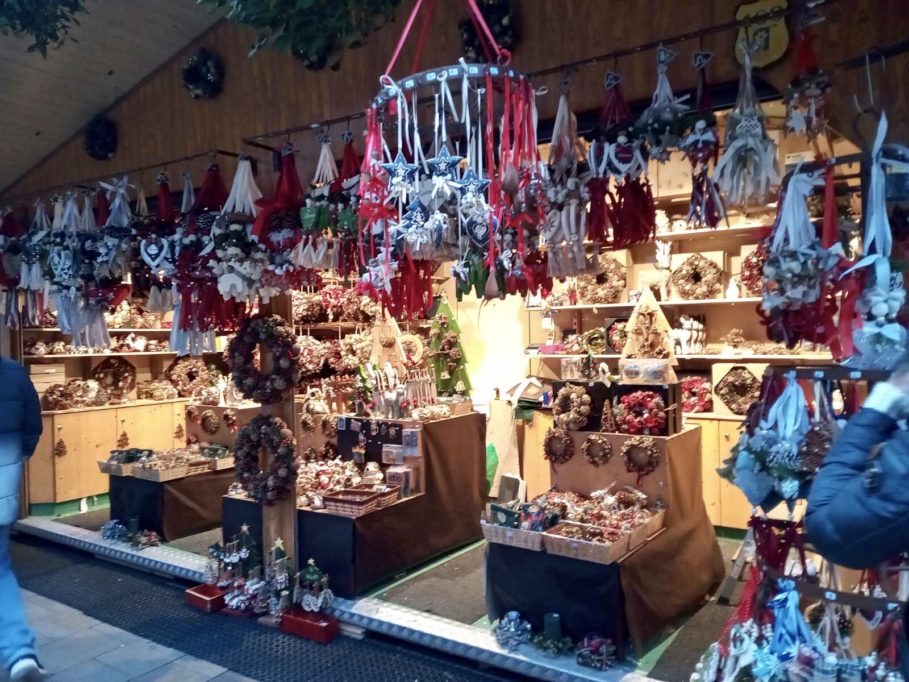
Christmas Markets (Nov–Dec): Magical markets in Nuremberg, Munich, Berlin, Dresden, and Rothenburg with mulled wine and crafts.
Berlin International Film Festival (Feb): Major cinema event with red carpets and screenings.
Carnival (Feb, varies): Vibrant parades and parties, especially in Cologne and Mainz.
Love Parade/Street Festivals (summer): Music and cultural events in cities like Berlin.
Crowd Levels & Costs
Peak Season (Jun–Aug & festivals): Hotels +40–80%. Berlin, Munich, Rhine Valley busiest. Book early for Oktoberfest/Christmas.
Low Season (Nov–Mar, excluding Christmas): 30–50% cheaper. Quieter sites; many rural areas subdued but markets lively.
Shoulder Season (Apr–May & Sep–Oct): Best balance – good weather, fewer crowds, better deals on trains/hotels.
Regional Travel Tips
Berlin: Year-round. Spring/fall for outdoor cafes; winter for Christmas markets and lights.
Bavaria & Bavarian Alps: Dec–Mar for skiing; Jun–Sep for hiking and lakes; avoid summer peak crowds at Neuschwanstein.
Black Forest: Spring/fall for hiking and foliage; summer for outdoor adventures; winter for snowshoeing.
Rhine Valley: May–Oct for cruises and vineyards; fall for harvest colors and wine festivals.
Packing Essentials
Spring/Fall: Layers, light jacket, scarf, comfortable walking shoes, umbrella for rain.
Summer: Breathable clothes, sunglasses, sunscreen, hat, sturdy shoes for hiking.
Winter: Warm coat, gloves, hat, boots; thermal layers for Alps/snowy regions.
Year-round: Adapter plug (Type C/F), reusable water bottle, cross-body bag, waterproof jacket, stylish neutrals.
Top Destinations in Germany
Discover 8 must-visit places from vibrant cities to fairy-tale castles and stunning landscapes.
Top Destinations in Germany
Berlin
Tip: Get a Berlin WelcomeCard (48–72h, €25–40) for free public transport and discounts. Visit Brandenburg Gate at sunrise for fewer crowds.
Why: Dynamic capital blending profound history, cutting-edge art, nightlife, and green spaces like Tiergarten.
Must-See:
- Brandenburg Gate & Reichstag dome (free with booking)
- Berlin Wall Memorial & East Side Gallery
- Museum Island (UNESCO, €12–19)
- Checkpoint Charlie & Potsdamer Platz
How: Fly into BER (€200–600). Stay in Mitte or Kreuzberg (€80–250/night). Use U-Bahn/S-Bahn day pass (€9–12) or rent bikes (€10/day).
Munich
Tip: Book beer garden tables early in summer. Visit during Oktoberfest (Sep–Oct) or Christmas markets (Nov–Dec).
Why: Bavarian charm with grand squares, world-class museums, beer culture, and easy access to Alps.
Must-See:
- Marienplatz & Glockenspiel
- English Garden & Chinese Tower beer garden
- Nymphenburg Palace (€15)
- Viktualienmarkt & Deutsches Museum (€15)
How: Fly into MUC (€200–700). Stay in Altstadt or Schwabing (€100–300/night). Use MVV public transport (€3–12/day).
Black Forest (Schwarzwald)
Tip: Drive the scenic Black Forest High Road (B500). Try Black Forest gateau in Triberg or Baden-Baden spas.
Why: Dense forests, cuckoo clocks, hiking trails, waterfalls, and charming half-timbered villages.
Must-See:
- Triberg Waterfalls & cuckoo clock shops
- Titisee Lake & boat rides
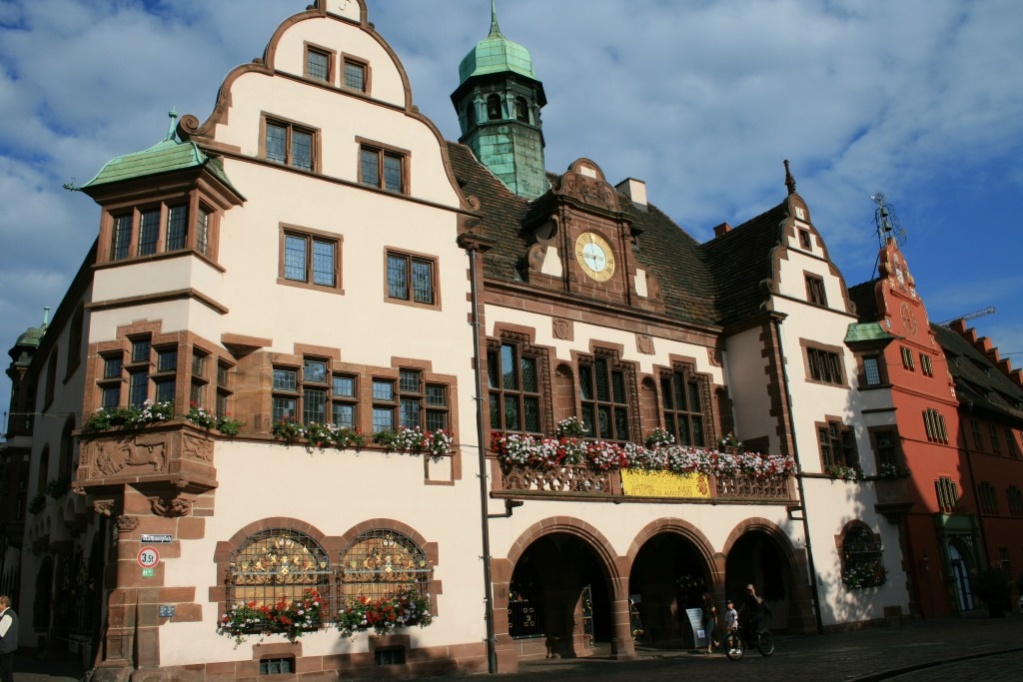
- Freiburg Minster & old town
- Baden-Baden thermal baths (€20–40)
How: Train to Freiburg (€50–120). Rent car essential (€40/day). Stay in Freiburg or lake hotels (€90–220/night).
Rhine Valley
Tip: Take a KD Rhine cruise (Koblenz–Rüdesheim, €30–60). Visit in fall for harvest festivals and foliage.
Why: UNESCO-listed gorge with medieval castles, vineyards, and picturesque towns like Bacharach and Rüdesheim.
Must-See:
- Marksburg Castle (guided tour €9)
- Loreley Rock viewpoint
- Rheinstein & Pfalzgrafenstein castles
- Wine tasting in Rüdesheim
How: Train to Koblenz (€40–100). KD cruises or regional trains. Stay in Bacharach or St. Goar (€90–200/night).
Bavarian Alps
Tip: Book Neuschwanstein tickets online in advance (€18 + €3 fee). Hike in summer or ski in winter.
Why: Dramatic alpine scenery, fairy-tale castles (Disney inspiration), lakes, and outdoor adventures.
Must-See:
- Neuschwanstein & Hohenschwangau castles
- Linderhof Palace & gardens
- Zugspitze (Germany’s highest peak, cable car €60+)
- Garmisch-Partenkirchen & Partnach Gorge
How: Train from Munich to Füssen (€20–50). Rent car or bus. Stay in Füssen or Garmisch (€100–250/night).
Hamburg
Tip: Visit Miniatur Wunderland (€20) early to avoid lines. Explore harbor by boat tour (€20–30).
Why: Maritime vibe with canals, Speicherstadt warehouses (UNESCO), vibrant Reeperbahn nightlife, and fresh seafood.
Must-See:
- Miniatur Wunderland world’s largest model railway
- Elbphilharmonie concert hall
- Speicherstadt & warehouse district
- Plantagen un Blomen park & Fischmarkt
How: Fly into HAM (€150–500). Stay in St. Pauli or Altstadt (€90–250/night). Use HVV transport (€3–12/day).
Cologne (Köln)
Tip: Climb Cologne Cathedral towers (€6) for panoramic views. Visit during Carnival (Feb) for massive parades.
Why: Iconic Gothic cathedral (UNESCO), Rhine riverside, vibrant beer culture (Kölsch), and Roman history.
Must-See:
- Cologne Cathedral (free entry, donations welcome)
- Roman-Germanic Museum (€9)
- Hohenzollern Bridge love locks
- Chocolate Museum (€14.50)
How: Train from major cities (€30–100). Stay near Dom (€80–220/night). Use KVB trams (€3–10/day).
Romantic Road (Rothenburg ob der Tauber)
Tip: Walk the town walls at dusk (€0). Visit in December for famous Christmas market.
Why: Medieval preserved towns, half-timbered houses, and scenic route through countryside and castles.
Must-See:
- Rothenburg’s Plönlein corner & Market Square
- Medieval Crime Museum (€9)
- Dinkelsbühl & Nördlingen towns
- Harburg Castle overlook
How: Train to Rothenburg (€50–120). Rent car for route (€40/day). Stay in Rothenburg hotels (€90–200/night).