MALAYSIA
TRAVEL GUIDE
PLAN YOUR TRAVEL TO MALAYSIA
Malaysia, a land of vibrant culture, breathtaking landscapes, and mouthwatering cuisine, is a must-visit destination for travelers. This guide provides everything you need to know about how to travel to Malaysia. From planning your trip and navigating airports or border crossings to discovering local traditions, flavors, and safety tips, we’ve covered it all. Whether you’re drawn to bustling cities, serene beaches, or lush rainforests, this article ensures your Malaysian adventure is unforgettable and well-prepared.
Magnificent Malaysia Travel Guide: Your Gateway to Unforgettable Adventures
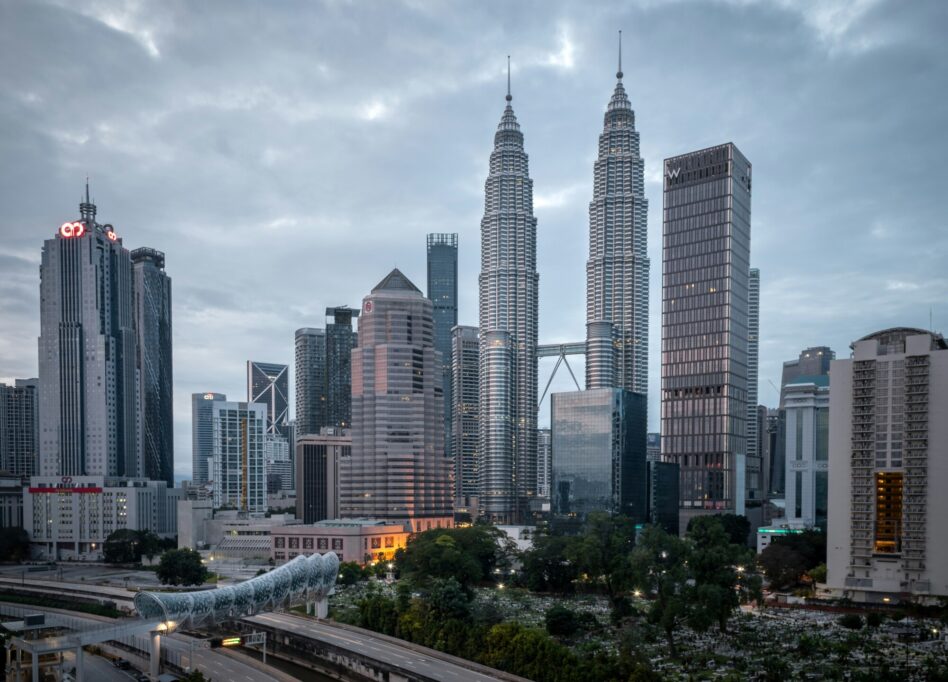
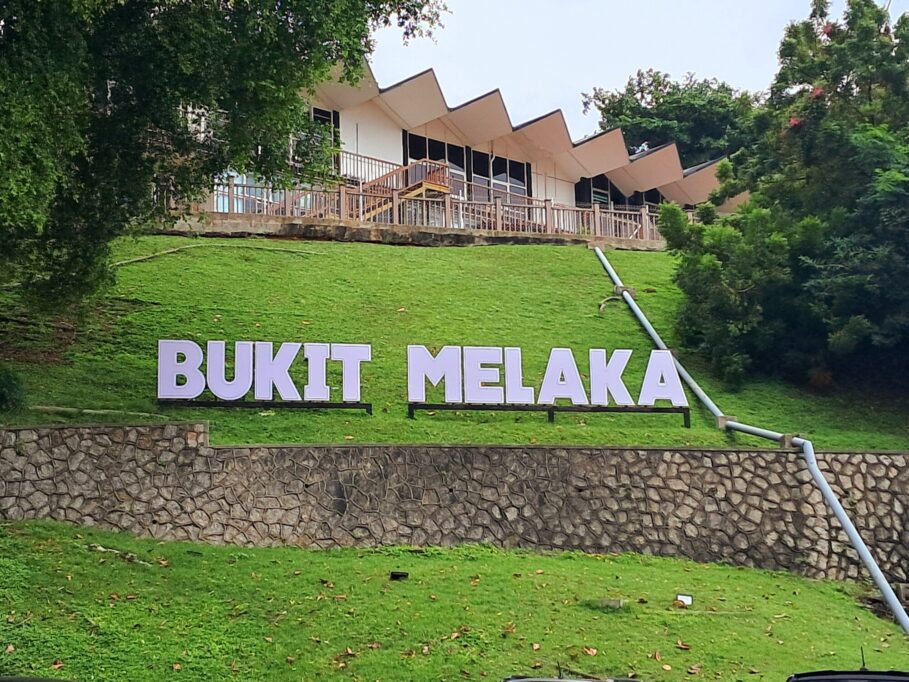
Welcome to the Magnificent Malaysia Travel Guide, your essential companion for exploring one of Southeast Asia’s most diverse and captivating countries. Malaysia is a land of incredible contrasts and endless variety. Its dynamic capital, Kuala Lumpur, rises with the futuristic Petronas Twin Towers piercing the sky, surrounded by lush parks, bustling shopping malls, and vibrant multicultural neighborhoods. Historic colonial cities like George Town in Penang and Melaka — both UNESCO World Heritage Sites — preserve centuries of Peranakan, Chinese, Malay, Portuguese, Dutch, and British heritage through colorful shophouses, ancient temples, and lively street markets.
Beyond the cities, Malaysia offers some of the world’s most beautiful islands and beaches. Langkawi, with its white sands and turquoise waters, invites relaxation and adventure, while the Perhentian and Tioman Islands provide pristine coral reefs perfect for snorkeling and diving. On the mainland, the ancient rainforests of Taman Negara let you trek through one of the oldest jungles on Earth, and the Cameron Highlands bring cool air, rolling tea plantations, and strawberry farms that feel worlds away from the tropical lowlands.
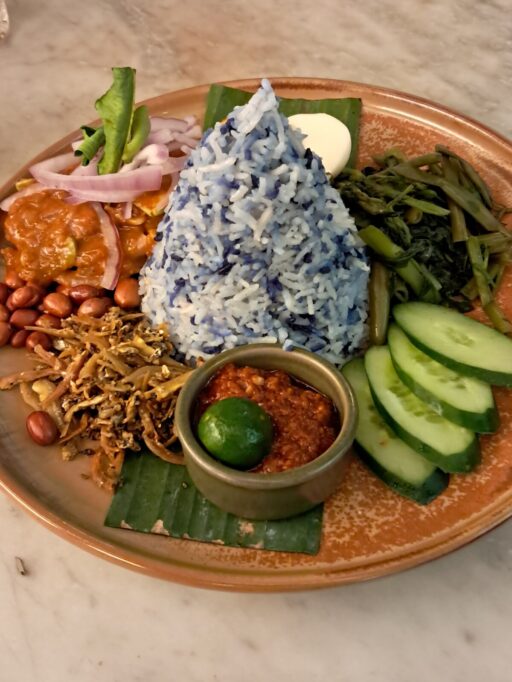
Borneo, shared between Malaysia, Indonesia, and Brunei, is a nature lover’s paradise. In Sabah and Sarawak you can walk among orangutans in the wild, climb Mount Kinabalu, explore the enormous caves of Mulu National Park, and dive at world-famous Sipadan. Malaysia’s multicultural heritage shines through in every region, blending Malay, Chinese, Indian, and indigenous Dayak, Iban, and Kadazan-Dusun cultures into a rich tapestry of festivals, traditions, and flavors. The street food is legendary — from nasi lemak and roti canai in the morning to char kway teow, laksa, and satay at night.
This guide is designed to help you plan a seamless and unforgettable journey. Whether you’re gazing at the glittering Kuala Lumpur skyline from KL Tower, wandering the street art and Peranakan shophouses of George Town, diving vibrant coral reefs in Sipadan, trekking through Borneo’s jungles to spot orangutans, savoring hawker centre feasts in Penang, or relaxing on white-sand beaches with turquoise waters, Malaysia has something extraordinary waiting for you. Let this guide inspire and guide your adventure in one of the most welcoming and varied countries in Southeast Asia.
How to Travel to Malaysia
Need to Know
Essential facts to help you plan your trip to Malaysia – from visa and currency to safety and connectivity.
Why Travel to Malaysia
Tip: Malaysia offers vibrant multicultural cities, stunning islands and beaches, ancient rainforests, historic colonial towns, world-class street food, and incredible biodiversity in Borneo.
Why: Must-see highlights include Kuala Lumpur’s Petronas Twin Towers and KLCC skyline, UNESCO-listed George Town and Melaka, Langkawi and Perhentian Islands, Taman Negara rainforest, Mount Kinabalu, orangutans in Sabah and Sarawak, Cameron Highlands tea plantations, and Penang’s hawker food scene—all at very affordable prices with warm multicultural hospitality.
How: Visit major sites (often free or low-cost RM5–30 entry), enjoy street food and hawker centres (RM5–20 per meal), and book local tours or experiences (RM50–200) for jungle treks, island hopping, or cultural walks.
Do I Need a Visa
Tip: Most Western nationalities (US, Canada, UK, Australia, EU/Schengen) enjoy visa-free entry for 90 days; many others get 30–90 days on arrival in 2026. Some nationalities require a visa or e-visa in advance.
Why: Malaysia maintains generous visa policies for tourism; check your passport’s eligibility to avoid issues at immigration.
How: Verify on the Malaysian Immigration Department website or consulate. Passport should be valid for at least 6 months beyond arrival. For required visas, apply via embassy or Malaysia Digital Arrival Card (MDAC) online; no visa on arrival for most needing one.
What is the Currency of Malaysia
Tip: The currency is the Malaysian Ringgit (MYR/RM). Average daily budget RM150–400 depending on style (cash still widely used; cards accepted in cities).
Why: Ringgit is the official tender; USD/EUR sometimes accepted informally but change given in RM—carry cash for markets, rural areas, and small vendors.
How: Exchange at airports/banks or use ATMs (Visa/Mastercard common). Bring USD/EUR for best rates if exchanging. Apps like Wise/Revolut work well; avoid high-fee street changers.
Is Malaysia Expensive to Visit
Tip: Very affordable compared to Western countries—one of the best-value destinations in Southeast Asia, with Kuala Lumpur moderate and rural/island areas even lower.
Why: Budget hostels/guesthouses RM40–150/night, street food/hawker meals RM5–20, local transport RM2–15, intercity buses/trains reasonable; excellent value for food, accommodation, and experiences.
How: Stay in hostels/Airbnb (RM80–250). Eat at hawker centres or warungs (RM10–30). Use buses, Grab rides, or trains for travel (RM20–100 longer distances).
Can I Drink the Tap Water
Tip: Not generally recommended—tap water is treated in cities but may contain chlorine or old pipes; most locals and visitors prefer bottled or filtered water.
Why: Urban water is chlorinated and technically potable for many, but taste/quality varies; rural or island areas often unsafe without treatment—bottled is cheap and the safest choice for travelers.
How: Drink bottled (“air mineral”) everywhere; use hotel kettles/boil if needed; filtered water stations common in cities/hostels. Avoid ice in drinks unless from trusted sources.
Can I Buy a SIM Card
Tip: Prepaid SIM or eSIM easy, affordable, and tourist-friendly (RM20–80 for solid data plans).
Why: Excellent 4G/5G coverage in cities, main routes, and many islands for navigation, apps, and calls; multiple operators (Celcom, Maxis, Digi, U Mobile).
How: Buy at airports, malls, convenience stores, or operator shops (passport required for registration). Tourist packs widely available; eSIM via Airalo, Holafly, or locals (RM30–100). Top up via app/online easily.
Practical Tips for Traveling in Malaysia
Everything you need to know before you go – from visas and money to safety and transport.
Visa and Documentation
Tip: Most Western nationalities (US, UK, Canada, Australia, EU/Schengen) enjoy visa-free entry for 90 days; many others get 30–90 days on arrival in 2026. Some nationalities require a visa or e-visa in advance.
Why: Malaysia maintains generous visa policies for tourism; no visa required for short stays for many countries, making entry straightforward.
How: Check eligibility on the Malaysian Immigration Department website or consulate. Passport should be valid for at least 6 months beyond arrival. Complete Malaysia Digital Arrival Card (MDAC) online before travel. For required visas, apply via embassy or online; no visa on arrival for most needing one.
Currency and Payments
Tip: Malaysian Ringgit (MYR/RM) is the currency. Cards (Visa/Mastercard) widely accepted in cities; cash useful in markets/rural areas. ATMs common and reliable.
Why: Urban areas support contactless/mobile payments; USD/EUR sometimes accepted informally but change in RM—carry cash for small vendors and islands.
How: Withdraw from ATMs (low fees with good cards like Revolut). Exchange at airports/banks if needed. Use apps like Wise/Revolut for transfers. Carry some cash (RM500–1000) for markets, taxis, and remote spots.
Language and Communication
Tip: Learn basics: “Selamat pagi” (good morning), “Terima kasih” (thank you), “Berapa harga?” (how much?). Bahasa Malaysia is official; English widely spoken in cities/tourist areas.
Why: English is common in Kuala Lumpur, Penang, Langkawi, and among younger people; limited in rural areas. Bahasa uses Latin script—easy to read.
How: Use Google Translate offline (download Malay pack). Buy prepaid SIM (RM20–80) from Celcom, Maxis, Digi, or U Mobile at airports/malls. eSIM via Airalo/Holafly convenient; passport often required for physical SIM registration.
Safety and Dangers in Malaysia
Tip: Exercise normal precautions—Malaysia is generally safe for tourists. Petty crime (pickpocketing in crowds) and occasional scams occur; avoid isolated areas at night.
Why: Low violent crime toward visitors; petty theft in busy markets/night markets. Sabah/Sarawak east coast has occasional piracy warnings—stick to tourist areas. Demonstrations rare but possible in Kuala Lumpur.
How: Stay aware in crowds; secure valuables. Use official taxis/Grab. Avoid flashing wealth. Follow local advice; register with embassy if needed. Terrorism risk low but global vigilance applies. Check Sabah east coast advisories.
Accommodation Options
Tip: Budget hostels/guesthouses (RM40–150/night in cities), mid-range hotels/Airbnb (RM150–400/night), higher-end resorts (RM400+). Wide selection in Kuala Lumpur, Penang, Langkawi.
Why: Affordable and varied; central locations easy to find. Booking.com, Agoda, or Airbnb reliable.
How: Book via Agoda/Booking.com/Airbnb or direct. Opt for central spots (e.g., Bukit Bintang in KL, George Town in Penang). Check reviews; apartments great for longer stays. Cash/card payments common.
Transportation
Tip: Intercity buses/trains primary (affordable, frequent), flights for Borneo/Sabah. Grab rides/taxis common in cities; LRT/MRT in Kuala Lumpur efficient.
Why: Compact peninsula; buses connect most places efficiently. Borneo requires flights. Grab is cheap and reliable in cities.
How: Book buses/trains via stations/apps (e.g., Easybook, RedBus). Use Grab for city rides. Fly AirAsia/Malaysia Airlines for Borneo. Rent scooters/cars on islands (international license needed); roads good in main areas but cautious in rural spots.
Practical Tips for Traveling in Malaysia
Everything you need to know before you go – from visas and money to safety and transport.
Visa and Documentation
Tip: Most Western nationalities (US, UK, Canada, Australia, EU/Schengen) enjoy visa-free entry for 90 days; many others get 30–90 days on arrival in 2026. Some nationalities require a visa or e-visa in advance.
Why: Malaysia maintains generous visa policies for tourism; no visa required for short stays for many countries, making entry straightforward.
How: Check eligibility on the Malaysian Immigration Department website or consulate. Passport should be valid for at least 6 months beyond arrival. Complete Malaysia Digital Arrival Card (MDAC) online before travel. For required visas, apply via embassy or online; no visa on arrival for most needing one.
Currency and Payments
Tip: Malaysian Ringgit (MYR/RM) is the currency. Cards (Visa/Mastercard) widely accepted in cities; cash useful in markets/rural areas. ATMs common and reliable.
Why: Urban areas support contactless/mobile payments; USD/EUR sometimes accepted informally but change in RM—carry cash for small vendors and islands.
How: Withdraw from ATMs (low fees with good cards like Revolut). Exchange at airports/banks if needed. Use apps like Wise/Revolut for transfers. Carry some cash (RM500–1000) for markets, taxis, and remote spots.
Language and Communication
Tip: Learn basics: “Selamat pagi” (good morning), “Terima kasih” (thank you), “Berapa harga?” (how much?). Bahasa Malaysia is official; English widely spoken in cities/tourist areas.
Why: English is common in Kuala Lumpur, Penang, Langkawi, and among younger people; limited in rural areas. Bahasa uses Latin script—easy to read.
How: Use Google Translate offline (download Malay pack). Buy prepaid SIM (RM20–80) from Celcom, Maxis, Digi, or U Mobile at airports/malls. eSIM via Airalo/Holafly convenient; passport often required for physical SIM registration.
Safety and Dangers in Malaysia
Tip: Exercise normal precautions—Malaysia is generally safe for tourists. Petty crime (pickpocketing in crowds) and occasional scams occur; avoid isolated areas at night.
Why: Low violent crime toward visitors; petty theft in busy markets/night markets. Sabah/Sarawak east coast has occasional piracy warnings—stick to tourist areas. Demonstrations rare but possible in Kuala Lumpur.
How: Stay aware in crowds; secure valuables. Use official taxis/Grab. Avoid flashing wealth. Follow local advice; register with embassy if needed. Terrorism risk low but global vigilance applies. Check Sabah east coast advisories.
Accommodation Options
Tip: Budget hostels/guesthouses (RM40–150/night in cities), mid-range hotels/Airbnb (RM150–400/night), higher-end resorts (RM400+). Wide selection in Kuala Lumpur, Penang, Langkawi.
Why: Affordable and varied; central locations easy to find. Booking.com, Agoda, or Airbnb reliable.
How: Book via Agoda/Booking.com/Airbnb or direct. Opt for central spots (e.g., Bukit Bintang in KL, George Town in Penang). Check reviews; apartments great for longer stays. Cash/card payments common.
Transportation
Tip: Intercity buses/trains primary (affordable, frequent), flights for Borneo/Sabah. Grab rides/taxis common in cities; LRT/MRT in Kuala Lumpur efficient.
Why: Compact peninsula; buses connect most places efficiently. Borneo requires flights. Grab is cheap and reliable in cities.
How: Book buses/trains via stations/apps (e.g., Easybook, RedBus). Use Grab for city rides. Fly AirAsia/Malaysia Airlines for Borneo. Rent scooters/cars on islands (international license needed); roads good in main areas but cautious in rural spots.
How to Get to & Around Malaysia
Everything you need to know about arriving in Malaysia and moving around its cities, islands, and regions.
Travel & Transport
International Arrival
Tip: Fly into Kuala Lumpur International Airport (KUL) – Malaysia's main international hub handling most arrivals. Direct flights from major cities worldwide (e.g., London, Sydney, Tokyo, Dubai, Los Angeles) via Malaysia Airlines, AirAsia X, Emirates, Qatar Airways, British Airways, and others (RM500–4000+ round-trip from Europe/Australia; higher from North America). Other major airports: Penang (PEN), Johor Bahru (JHB), Kota Kinabalu (BKI), Kuching (KCH) for regional and low-cost connections.
Why: Kuala Lumpur is the primary gateway with excellent connectivity across Asia, Europe, Middle East, and growing routes in 2026 (new additions from secondary European/Australian cities); efficient airport with quick immigration and onward options to Peninsular Malaysia and Borneo.
How: Search flights on Skyscanner, Kayak, or Malaysia Airlines/AirAsia sites. From KUL to city: KLIA Ekspres train (RM55, 28 min to KL Sentral), Grab/taxi (RM70–120), or buses (RM10–20). Land entry: frequent buses from Singapore (via Johor Bahru, RM30–80), Thailand (Hat Yai/Kuala Perlis, RM50–150), and Indonesia (Batam/Bintan ferries to Johor). Expect standard immigration checks (visa-free for most Western passports up to 90 days).
Domestic Transport Options
Tip: Domestic flights primary for peninsula-to-Borneo and long distances (AirAsia, Malaysia Airlines, Firefly; RM50–300), high-speed ETS trains on west coast (Kuala Lumpur–Penang–Ipoh–Butterworth), intercity buses widespread and affordable (RM20–120), Grab rides/taxis common in cities, LRT/MRT/KTM Komuter in Kuala Lumpur efficient and cheap. Ferries to islands (Langkawi, Perhentian, Tioman, RM40–150). Rent scooters/cars on islands/peninsula (RM30–150/day).
Why: Vast country with peninsula and Borneo separated by sea; flights fastest for Sabah/Sarawak; trains scenic and reliable on west coast; buses connect everywhere cheaply; Grab/LRT great for urban mobility; scooters/cars ideal for islands and Cameron Highlands.
How: Book flights via AirAsia/Malaysia Airlines apps (book early for best fares). Trains via KTMB site/app. Buses via stations or apps (Easybook, RedBus). Use Grab for city rides/taxis. Rent scooters/cars at airports/islands (international license recommended); roads good on peninsula but cautious in rural Borneo. Public transport apps (MyRapid, Grab) helpful in cities.
When to Go to Malaysia
Plan your perfect trip with our guide to weather, festivals, crowd levels, and regional highlights.
When to Go to Malaysia
Best Time to Visit
Tip: Travel in the dry season (December–February on the east coast & Borneo; May–September on the west coast & islands) for sunny weather and beach time; or shoulder months (March–April, October–November) for fewer crowds and lower prices.
Why: Pleasant temperatures (25–32°C), lower rainfall in the respective dry seasons, and ideal conditions for diving, island hopping, and outdoor exploration in Langkawi, Perhentian, Tioman, or Borneo—while avoiding peak monsoon flooding in some regions.
How: Book 2–4 months ahead for peak dry season (especially islands & Borneo). Pack light layers, rain jacket, and sunscreen. Shoulder seasons offer better hotel/flight deals and quieter beaches, though occasional rain is possible.
Weather by Season
Dry Season West Coast & Islands (May–Sep): 25–32°C, low humidity, sunny days – ideal for Penang, Langkawi, Tioman, and Perhentian Islands; perfect for beaches, diving, and city exploration in Kuala Lumpur or George Town.
Dry Season East Coast & Borneo (Dec–Feb): 24–31°C, clear skies, calm seas – best for diving Sipadan, exploring Taman Negara, and orangutan spotting in Sabah/Sarawak; great for Cameron Highlands and Mount Kinabalu treks.
Wet Season (Oct–Mar west; May–Nov east): Heavy rain, high humidity, occasional flooding – beaches quieter, but indoor sites (Kuala Lumpur, Melaka) and highlands remain enjoyable; cheaper rates and lush greenery.
Year-round: Tropical climate with consistent warmth; afternoon showers common even in dry seasons; highlands (Cameron, Genting) cooler (15–25°C).
Major Festivals & Events
Chinese New Year (Jan/Feb): Massive celebrations in Kuala Lumpur, Penang, and Ipoh with lion dances, lanterns, fireworks, and open houses – one of Malaysia's biggest holidays.
Hari Raya Aidilfitri (Eid al-Fitr, dates vary): End of Ramadan – nationwide feasting, open houses, and cultural events; beautiful mosque illuminations and traditional attire.
Deepavali / Diwali (Oct/Nov): Festival of Lights in Indian communities – colorful decorations, fireworks, sweets, and temple celebrations in Kuala Lumpur and Penang.
Thaipusam (Jan/Feb): Intense Hindu festival at Batu Caves – devotees carry kavadi, piercing rituals, and massive crowds; powerful cultural experience.
National Day (Aug 31) & Malaysia Day (Sep 16): Parades, fireworks, and patriotic events nationwide – lively celebrations in Kuala Lumpur and Putrajaya.
Crowd Levels & Costs
Peak Season (Dec–Feb east coast/Borneo; Jun–Aug west coast & islands): Hotels +30–70%. Islands (Perhentian, Tioman, Langkawi) and Borneo busiest. Book early for diving, ferries, and resorts; higher prices for flights/hotels.
Low Season (Mar–Apr, Oct–Nov): 20–50% cheaper. Quieter beaches and national parks; some east coast islands close (monsoon); great for city exploration and highlands.
Shoulder Season (May, Sep): Best balance – mild weather, fewer crowds, lower prices on accommodations/flights, and good conditions for most activities with fewer tourists.
Regional Travel Tips
Peninsular Malaysia (Kuala Lumpur, Penang, Langkawi, Melaka): Year-round. West coast dry May–Sep; east coast dry Dec–Feb. Summer for beaches; shoulder for cities and cultural sites.
Borneo (Sabah & Sarawak): Dry Dec–Feb for diving, orangutans, and Mount Kinabalu; wetter May–Nov with lush jungles but more rain; avoid deep monsoon if trekking.
Islands & Diving (Perhentian, Tioman, Sipadan): Peak dry season for calm seas and visibility; some islands close in monsoon (Oct–Feb west; May–Nov east).
Highlands (Cameron, Genting): Year-round cooler climate; avoid deep wet season for road conditions; great escape from lowland heat.
Packing Essentials
Dry Season: Light clothes, swimwear, sunscreen, hat, insect repellent, flip-flops, light rain jacket for occasional showers, comfortable walking shoes for cities/hikes.
Wet Season: Quick-dry clothes, waterproof jacket/poncho, umbrella, sturdy shoes for muddy trails, mosquito repellent, breathable fabrics for humidity.
Year-round: Adapter plug (Type G), reusable water bottle, modest clothing for mosques/temples (cover shoulders/knees), power bank for long days, cross-body bag for security.
Top Destinations in Malaysia
Discover 8 must-visit places from vibrant cities and historic towns to stunning islands, rainforests, highlands, and natural wonders.
Top Destinations in Malaysia
Kuala Lumpur
Tip: Use Grab rides or LRT/MRT for easy city travel; explore on foot in central areas like Bukit Bintang or KLCC.
Why: Malaysia’s dynamic capital blends modern skyscrapers with multicultural heritage, vibrant street food, shopping malls, and iconic landmarks.
Must-See:
- Petronas Twin Towers & KLCC Park
- Batu Caves with colorful steps and Hindu temple
- Merdeka Square & Sultan Abdul Samad Building
- Jalan Alor & Bukit Bintang night markets
How: Fly into KUL airport (RM55 KLIA Ekspres to city). Stay in Bukit Bintang or KLCC (RM100–400/night). Use Grab or public transport.
Penang (George Town)
Tip: Walk or rent a bicycle to explore street art; try hawker food at night markets like Gurney Drive or New Lane.
Why: UNESCO-listed George Town is a living museum of Peranakan, Chinese, Malay, and Indian heritage with colorful shophouses, temples, and world-class street food.
Must-See:
- Street art murals & Armenian Street
- Cheong Fatt Tze Mansion & Clan Jetties
- Kek Lok Si Temple & Penang Hill
- Hawker centres & Penang Road famous teochew chendul
How: Fly into PEN airport or bus from KL (RM40–80, 5 hrs). Stay in George Town (RM80–300/night). Walk or bicycle everywhere.
Langkawi
Tip: Rent a scooter or car to explore the island; book island-hopping tours early for best prices.
Why: Duty-free archipelago with white-sand beaches, lush rainforests, cable car to stunning viewpoints, and relaxed island vibe.
Must-See:
- Langkawi SkyCab & Sky Bridge
- Pantai Cenang & Tanjung Rhu beaches
- Mangrove tour & eagle feeding
- Underwater World aquarium & night markets
How: Fly into LGK airport or ferry from Penang/Kuala Perlis. Stay beachside (RM100–500/night). Rent scooter/car for freedom.
Melaka
Tip: Walk Jonker Street at night for food and atmosphere; take a river cruise for city views.
Why: UNESCO World Heritage city with rich colonial history (Portuguese, Dutch, British), Peranakan culture, and vibrant night markets.
Must-See:
- St. Paul’s Hill & A Famosa fortress
- Jonker Street night market & Baba-Nyonya houses
- Cheng Hoon Teng Temple & Stadthuys
- Melaka River cruise & maritime museum
How: Bus from KL (RM15–30, 2 hrs) or train to nearby station. Stay in historic center (RM80–250/night). Walk or trishaw.
Borneo (Sabah & Sarawak)
Tip: Book guided tours for wildlife and trekking; fly into Kota Kinabalu (BKI) or Kuching (KCH) for best access.
Why: World-class biodiversity with orangutans, proboscis monkeys, rainforests, Mount Kinabalu, Mulu Caves, and world-famous diving in Sipadan.
Must-See:
- Sepilok Orangutan Rehabilitation Centre
- Kinabalu Park & Mount Kinabalu climb
- Mulu National Park & Caves
- Sipadan & Mabul diving
How: Fly to BKI/KCH from KL/Penang. Stay in resorts/lodges (RM150–600/night). Tours essential for remote areas.
Cameron Highlands
Tip: Rent a car or join tours to explore tea plantations; wear layers for cooler temperatures.
Why: Cool highland retreat with rolling tea fields, strawberry farms, flower gardens, and hiking trails – perfect escape from lowland heat.
Must-See:
- BOH Tea Plantation & factory tour
- Strawberry farms & picking
- Mossy Forest & Brinchang night market
- Rajah Brooke’s Birdwing butterfly habitat
How: Bus from KL (RM35–60, 4 hrs) or Penang. Stay in resorts/guesthouses (RM100–400/night). Car ideal for flexibility.
Perhentian Islands
Tip: Book speedboat transfers in advance; snorkel/diving gear rental cheap on islands.
Why: Pristine tropical islands with white-sand beaches, turquoise waters, excellent snorkeling/diving, and laid-back backpacker vibe.
Must-See:
- Long Beach & Coral Bay
- Snorkeling & diving trips
- Turtle Point & beach hopping
- Firefly night tours
How: Bus to Kuala Besut (from KL RM50–80), then speedboat to islands (RM40–70 return). Stay beach chalets (RM80–300/night).
Tioman Island
Tip: Stay on the east coast for quieter beaches; book ferries early in peak season.
Why: Beautiful island with dense jungle, clear waters, good diving, and relaxed atmosphere – once voted one of the world’s most beautiful islands.
Must-See:
- Salang & ABC beaches
- Diving & snorkeling sites
- Juara Turtle Project
- Waterfall & jungle treks
How: Bus to Mersing or Tanjung Gemok (from KL RM40–70), then ferry (RM35–70 return). Stay beach resorts (RM100–400/night).
Top Destinations in Malaysia
Discover 8 must-visit places from vibrant cities and historic towns to stunning islands, rainforests, highlands, and natural wonders.
Top Destinations in Malaysia
Kuala Lumpur
Tip: Use Grab rides or the efficient LRT/MRT network for easy city travel; explore central areas like Bukit Bintang, KLCC, and Chinatown on foot for the best experience.
Why: Kuala Lumpur is Malaysia’s dynamic capital, blending futuristic skyscrapers with multicultural neighborhoods, world-class shopping malls, diverse street food, and iconic landmarks that reflect the country’s modern energy and rich heritage.
Must-See:
- Petronas Twin Towers and the surrounding KLCC Park with its beautiful lake and fountains
- Batu Caves, featuring a massive golden statue of Lord Murugan and colorful steps leading to Hindu temples inside limestone caves
- Merdeka Square, surrounded by historic colonial buildings including the Sultan Abdul Samad Building and the Royal Selangor Club
- Jalan Alor and Bukit Bintang night markets, famous for endless rows of hawker stalls serving satay, grilled seafood, and fresh fruit juices
- Thean Hou Temple, one of the largest Chinese temples in Southeast Asia with stunning architecture and panoramic city views
How to get there from Kuala Lumpur: You are already in Kuala Lumpur! Fly into Kuala Lumpur International Airport (KUL) or Subang Airport (SZB) if arriving domestically. Stay in central areas such as Bukit Bintang, KLCC, or Chinatown for easy walking access to most attractions (RM100–500/night). Use Grab rides, LRT, or MRT to move around the city quickly and affordably.
Penang (George Town)
Tip: Walk or rent a bicycle to explore the street art and heritage lanes; arrive hungry because George Town is one of the world’s best street-food cities—try hawker centres at night.
Why: Penang, particularly UNESCO-listed George Town, is a living museum of Peranakan, Chinese, Malay, and Indian heritage, filled with colorful shophouses, intricate temples, clan houses, street art murals, and arguably the best food scene in Malaysia.
Must-See:
- Street art murals and Armenian Street, including famous works like “Children on Bicycle” and “Brother and Sister on Swing”
- Cheong Fatt Tze Mansion (Blue Mansion) and the Clan Jetties (water villages built on stilts)
- Kek Lok Si Temple, the largest Buddhist temple in Malaysia, with its seven-story pagoda and bronze Kuan Yin statue
- Penang Hill (Bukit Bendera) for panoramic views and cool air; take the funicular railway up
- Hawker centres like Gurney Drive, New Lane, and Chulia Street for char kway teow, Hokkien mee, laksa, and cendol
How to get there from Kuala Lumpur: Take a bus from TBS Terminal in Kuala Lumpur to Penang (4.5–6 hours, RM40–80) or fly directly from KLIA/KLIA2 to Penang International Airport (PEN) in about 1 hour (RM100–300). From Penang airport, take a Grab or taxi to George Town (about 30 minutes, RM30–60). Stay in central George Town for walking access to heritage sites (RM80–300/night).
Langkawi
Tip: Rent a scooter or car to freely explore the island; book island-hopping tours and cable car tickets in advance during peak season.
Why: Langkawi is a duty-free archipelago famous for white-sand beaches, clear turquoise waters, lush rainforests, dramatic limestone karsts, and a relaxed island atmosphere, making it one of Malaysia’s top beach and nature destinations.
Must-See:
- Langkawi SkyCab and Sky Bridge, offering breathtaking views from the top of Mount Mat Cincang
- Pantai Cenang and Tanjung Rhu beaches, perfect for swimming, sunset walks, and water sports
- Mangrove tour in Kilim Geoforest Park with eagle feeding, bat caves, and limestone cliffs
- Oriental Village and Underwater World aquarium near Cenang
- Night markets (Pasar Malam) in Kuah and Cenang for local food, souvenirs, and duty-free shopping
How to get there from Kuala Lumpur: Fly directly from KLIA/KLIA2 to Langkawi International Airport (LGK) in about 1 hour (RM100–400). Alternatively, take a bus to Kuala Perlis or Penang (5–8 hours, RM50–100) and then a ferry to Langkawi (1.5–3 hours, RM30–80). From Langkawi airport, take a Grab or taxi to your resort (RM20–60). Stay beachside in Cenang or Pantai Kok (RM100–500/night).
Melaka
Tip: Walk Jonker Street at night for the best food and atmosphere; take a river cruise during the day for a different perspective of the historic city.
Why: Melaka is a UNESCO World Heritage city that showcases 500 years of colonial history (Portuguese, Dutch, British) blended with Peranakan, Chinese, and Malay cultures, vibrant night markets, colorful shophouses, and rich Baba-Nyonya heritage.
Must-See:
- St. Paul’s Hill and A Famosa fortress ruins with panoramic views over the city
- Jonker Street night market and nearby Baba-Nyonya houses and museums
- Cheng Hoon Teng Temple, Masjid Kampung Kling, and Stadthuys (Dutch Square)
- Melaka River cruise past historic buildings and colorful murals
- Maritime Museum and replica Portuguese ship Flor de la Mar
How to get there from Kuala Lumpur: Take a bus from TBS Terminal in Kuala Lumpur to Melaka Sentral (about 2 hours, RM15–30) or drive in under 2 hours. From Melaka Sentral, take a Grab or local bus to the historic center (10–15 minutes, RM10–20). Stay in Jonker Street or nearby heritage area (RM80–250/night).
Borneo (Sabah & Sarawak)
Tip: Book guided tours in advance for wildlife, trekking, and diving; fly into Kota Kinabalu (BKI) for Sabah or Kuching (KCH) for Sarawak.
Why: Borneo is one of the world’s top biodiversity hotspots, home to orangutans, proboscis monkeys, pygmy elephants, Mount Kinabalu (highest peak in Southeast Asia), Mulu Caves, and world-renowned diving in Sipadan—offering unparalleled nature and adventure experiences.
Must-See:
- Sepilok Orangutan Rehabilitation Centre and Labuk Bay Proboscis Monkey Sanctuary
- Kinabalu Park and climbing Mount Kinabalu (permit required)
- Gunung Mulu National Park with its massive caves and pinnacles
- Sipadan, Mabul, and Kapalai for world-class diving and snorkeling
- Semenggoh Wildlife Centre and Bako National Park near Kuching
How to get there from Kuala Lumpur: Fly directly from KLIA/KLIA2 to Kota Kinabalu (BKI) or Kuching (KCH) in about 2.5 hours (RM150–600). From Kota Kinabalu, take domestic flights or buses to Sandakan or Tawau for wildlife/diving. Stay in resorts, lodges, or dive centers (RM150–800/night). Guided tours are essential for most remote areas.
Cameron Highlands
Tip: Rent a car or join guided tours to visit tea plantations and farms; wear layers and comfortable shoes as it is cooler and often misty.
Why: Cameron Highlands is Malaysia’s premier highland retreat, famous for rolling green tea plantations, strawberry farms, flower gardens, cool climate, and scenic hiking trails—offering a refreshing escape from lowland heat and humidity.
Must-See:
- BOH Tea Plantation with factory tour and scenic viewpoints
- Strawberry farms where you can pick your own fruit
- Mossy Forest and Robinson Waterfall for nature walks
- Brinchang Night Market for fresh produce, food, and souvenirs
- Rajah Brooke’s Birdwing butterfly farm and rose gardens
How to get there from Kuala Lumpur: Take a bus from TBS Terminal or Pudu Sentral in Kuala Lumpur to Tanah Rata in Cameron Highlands (about 4 hours, RM35–60). From Tanah Rata, use local taxis, rent a car, or join tours to reach plantations and farms. Stay in Tanah Rata or Brinchang (RM100–400/night).
Perhentian Islands
Tip: Book speedboat transfers and accommodations in advance during peak season; bring cash as ATMs are limited on the islands.
Why: The Perhentian Islands offer pristine tropical beauty with white-sand beaches, turquoise waters, excellent snorkeling and diving, and a laid-back backpacker atmosphere—perfect for relaxation and underwater adventures.
Must-See:
- Long Beach and Coral Bay on Perhentian Kecil for backpacker vibes and nightlife
- Snorkeling and diving trips to Turtle Point, D’Lagoon, and Rawa Island
- Snorkeling with sea turtles and blacktip reef sharks
- Firefly night tours and bioluminescent plankton
- Jungle treks and beach hopping to quieter bays
How to get there from Kuala Lumpur: Take a bus from TBS Terminal to Kuala Besut jetty (about 7–8 hours, RM50–80), then a speedboat to the islands (30–45 minutes, RM40–70 return). Stay in beach chalets or resorts on Perhentian Kecil or Besar (RM80–400/night).
Tioman Island
Tip: Stay on the east coast (like Salang or ABC Beach) for quieter beaches; book ferries early in peak season and bring cash as ATMs are limited.
Why: Tioman is a beautiful tropical island with dense jungle-covered hills, clear waters, good diving and snorkeling, and a relaxed atmosphere—once voted one of the world’s most beautiful islands by Time magazine.
Must-See:
- Salang and ABC (Air Batang) beaches for clear waters and laid-back vibe
- Diving and snorkeling sites around the island, including wrecks and coral reefs
- Juara Turtle Project and turtle sanctuary
- Waterfall trails and jungle treks across the island
- Nipa Palm and Monkey Bay for seclusion
How to get there from Kuala Lumpur: Take a bus from TBS Terminal to Mersing or Tanjung Gemok jetty (about 4–5 hours, RM40–70), then a ferry to Tioman (1.5–2 hours, RM35–70 return). Stay in beach resorts or chalets (RM100–400/night).