
POLAND
FOOD
A CULINARY JOURNEY THROUGH POLAND: EXPLORING TRADITIONAL POLISH FOOD
THE ULTIMATE TRAVEL GUIDE
A Culinary Journey Through Poland
Polish cuisine is hearty, comforting, and deeply rooted in seasonal, local ingredients shaped by history: long winters led to fermentation, pickling, and slow-cooked stews; agricultural traditions favored potatoes, cabbage, rye, mushrooms, and pork; regional influences add diversity—from Baltic fish in the north to highlander cheeses in the south. Expect sour, savory, umami-rich flavors balanced with butter, cream, and herbs. Iconic dishes like pierogi (versatile dumplings), bigos (hunter's stew), and żurek (sour rye soup) reflect resourcefulness and warmth. This guide explores **10 must-try Polish foods** (with detailed descriptions of each food type, ingredients, history, variations, and tips for enjoying them authentically across Poland's regions).
10 Iconic Polish Dishes – In-Depth Guide
1. Pierogi – Poland's Beloved Dumplings
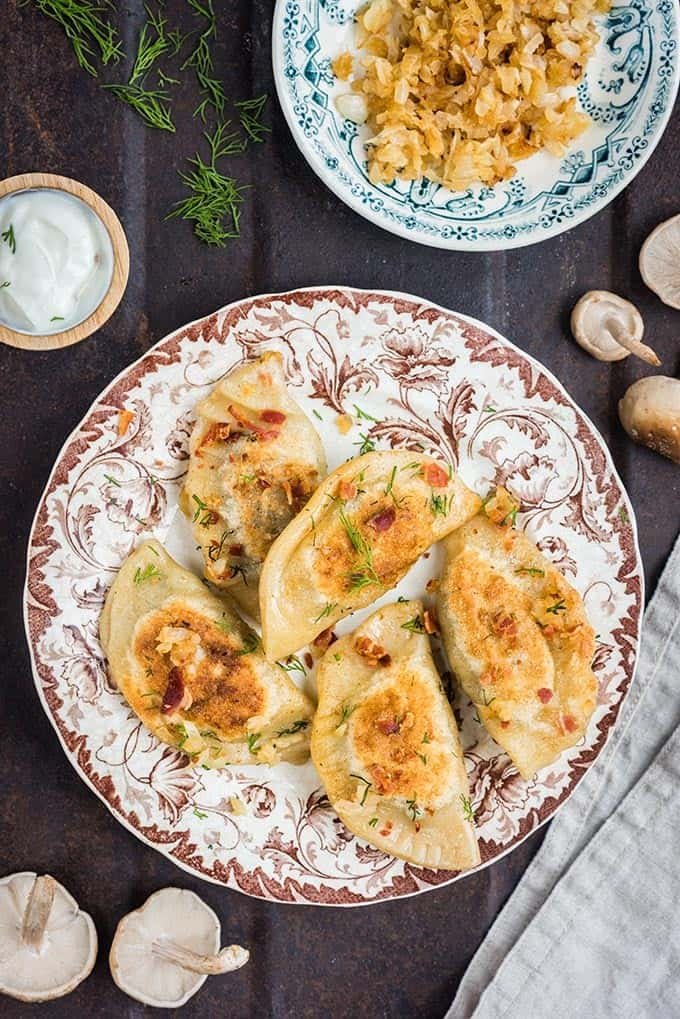
Pierogi are crescent-shaped boiled (sometimes fried or baked) dumplings made from unleavened dough, stuffed with sweet or savory fillings, and often topped with fried onions, sour cream, or cracklings. They are versatile comfort food: savory versions feature potato-cheese (ruskie), meat, sauerkraut-mushrooms, or lentils; sweet ones include fruits like blueberries or strawberries with cream. Dough is thin yet sturdy, filling generous—pure satisfaction in every bite.
History: Evolved from Asian influences via trade routes; became a Polish staple by the 17th century, now a national pride with regional twists.
Additional Insights: Pierogi ruskie (potato-onion-cheese) is most iconic; Christmas Eve features meatless versions (with cabbage/mushrooms). Boiled are traditional, fried for crispiness.
2. Bigos – Hunter's Stew (National Dish)
Bigos is a rich, slow-cooked stew of sauerkraut and fresh cabbage, mixed with various meats (pork, beef, sausage, bacon), wild mushrooms, dried plums/prunes, onions, and spices (bay leaves, juniper, pepper). Tangy from fermentation, deeply savory from meats, and slightly sweet from fruit—flavors meld over hours for complex umami.
History: "Hunter's stew" dates to medieval nobility; hunters added game; evolved as a preserved dish for long winters.
Additional Insights: Tastes better reheated (flavors deepen). Regional variations add tomatoes or apples. Served with rye bread or potatoes.
3. Żurek – Sour Rye Soup
Żurek is a tangy, fermented rye flour soup (sour starter gives distinctive sharp taste), usually with white sausage (kiełbasa biała), boiled egg, bacon/potatoes, and sometimes mushrooms or cream. Creamy yet zesty, warming, and aromatic with marjoram and garlic.
History: Easter staple; fermentation preserved food in pre-refrigeration times; regional variations (e.g., with horseradish in some areas).
Additional Insights: Often served in bread bowl for rustic presentation. Clear version (barszcz biały) is milder.
4. Gołąbki – Stuffed Cabbage Rolls
Gołąbki are cabbage leaves blanched and wrapped around a filling of minced pork/beef, rice, onions, and spices, then baked or simmered in tomato sauce. Tender cabbage envelops savory, herby filling; sauce adds tangy richness—comforting and satisfying.
History: Influenced by Eastern European traditions; evolved as affordable family meal using seasonal cabbage.
Additional Insights: Variations with buckwheat or mushrooms (meatless). Served with boiled potatoes or bread.
5. Oscypek – Smoked Sheep's Milk Cheese
Oscypek is a spindle-shaped, smoked sheep's milk cheese with intricate carved patterns, firm yet springy texture, salty-smoky flavor, and subtle sweetness. Grilled or fried, it gets crispy outside, melty inside—perfect with cranberry sauce (żurawina).
History: Highlander specialty from Tatra Mountains (Podhale); protected EU designation; made seasonally by shepherds.
Additional Insights: Grilled oscypek stalls common in Zakopane. Pairs with beer or as appetizer.
6. Barszcz Czerwony – Red Beetroot Soup
Barszcz czerwony is a vibrant beetroot soup: clear or with dumplings (uszka filled with mushrooms/meat), tangy from fermented beet kvass or vinegar, often with garlic, marjoram, and served hot or cold (summer version).
History: Christmas Eve staple (clear with uszka); roots in Slavic beet traditions for color and health benefits.
Additional Insights: Christmas version meatless; everyday with sour cream. Refreshing and earthy.
7. Kotlet Schabowy – Breaded Pork Cutlet
Kotlet schabowy is a pounded pork loin cutlet breaded (flour-egg-breadcrumbs) and fried until golden and crispy outside, juicy inside—served with mashed potatoes, cabbage, and salad.
History: Influenced by Viennese schnitzel; became Polish staple in 19th century.
Additional Insights: Thinner than schnitzel; often with mushroom sauce. Comfort food classic.
8. Kiełbasa – Polish Sausage
Kiełbasa encompasses many smoked or fresh sausages: pork/beef blends with garlic, marjoram, pepper; varieties like śląska (Silesian), krakowska (smoked), or biała (white, fresh for soups).
History: Ancient sausage-making tradition; regional recipes vary (e.g., hunter's with juniper).
Additional Insights: Grilled, boiled, or in stews. Easter white kiełbasa in żurek.
9. Pączki – Polish Doughnuts
Pączki are rich yeast doughnuts, deep-fried, filled with rose jam, custard, or fruit preserves, dusted with powdered sugar—pillowy, not too sweet, indulgent.
History: Fat Thursday (Tłusty Czwartek) tradition before Lent; origins in medieval fritters.
Additional Insights: Rose marmalade classic. Bakeries sell fresh daily.
10. Zapiekanka – Polish Street Food Toast
Zapiekanka is a halved baguette topped with mushrooms, cheese, and sauce (often ketchup/mayo), baked until bubbly and crispy—simple yet addictive street snack.
History: Communist-era invention using available ingredients; now gourmet versions with various toppings.
Additional Insights: Plac Nowy in Kraków famous for stalls. Add sausage or veggies for variety.
Disclaimer: Recipes and availability vary by region/season. Prices (2026 estimates) are approximate for casual dining/markets. Always check for allergens; many dishes use pork. Enjoy Poland's warm, flavorful culinary heritage!
A Culinary Journey Through Poland
Polish cuisine is hearty, comforting, and deeply rooted in seasonal, local ingredients shaped by history: long winters led to fermentation, pickling, and slow-cooked stews; agricultural traditions favored potatoes, cabbage, rye, mushrooms, and pork; regional influences add diversity—from Baltic fish in the north to highlander cheeses in the south. Expect sour, savory, umami-rich flavors balanced with butter, cream, and herbs. Iconic dishes like pierogi (versatile dumplings), bigos (hunter's stew), and żurek (sour rye soup) reflect resourcefulness and warmth. This guide explores **10 must-try Polish foods** (with detailed descriptions of each food type, ingredients, history, variations, and tips for enjoying them authentically across Poland's regions).
10 Iconic Polish Dishes – In-Depth Guide
1. Pierogi – Poland's Beloved Dumplings
Pierogi are crescent-shaped boiled (sometimes fried or baked) dumplings made from unleavened dough, stuffed with sweet or savory fillings, and often topped with fried onions, sour cream, or cracklings. They are versatile comfort food: savory versions feature potato-cheese (ruskie), meat, sauerkraut-mushrooms, or lentils; sweet ones include fruits like blueberries or strawberries with cream. Dough is thin yet sturdy, filling generous—pure satisfaction in every bite.
History: Evolved from Asian influences via trade routes; became a Polish staple by the 17th century, now a national pride with regional twists.
Additional Insights: Pierogi ruskie (potato-onion-cheese) is most iconic; Christmas Eve features meatless versions (with cabbage/mushrooms). Boiled are traditional, fried for crispiness.
2. Bigos – Hunter's Stew (National Dish)
Bigos is a rich, slow-cooked stew of sauerkraut and fresh cabbage, mixed with various meats (pork, beef, sausage, bacon), wild mushrooms, dried plums/prunes, onions, and spices (bay leaves, juniper, pepper). Tangy from fermentation, deeply savory from meats, and slightly sweet from fruit—flavors meld over hours for complex umami.
History: "Hunter's stew" dates to medieval nobility; hunters added game; evolved as a preserved dish for long winters.
Additional Insights: Tastes better reheated (flavors deepen). Regional variations add tomatoes or apples. Served with rye bread or potatoes.
3. Żurek – Sour Rye Soup
Żurek is a tangy, fermented rye flour soup (sour starter gives distinctive sharp taste), usually with white sausage (kiełbasa biała), boiled egg, bacon/potatoes, and sometimes mushrooms or cream. Creamy yet zesty, warming, and aromatic with marjoram and garlic.
History: Easter staple; fermentation preserved food in pre-refrigeration times; regional variations (e.g., with horseradish in some areas).
Additional Insights: Often served in bread bowl for rustic presentation. Clear version (barszcz biały) is milder.
4. Gołąbki – Stuffed Cabbage Rolls
Gołąbki are cabbage leaves blanched and wrapped around a filling of minced pork/beef, rice, onions, and spices, then baked or simmered in tomato sauce. Tender cabbage envelops savory, herby filling; sauce adds tangy richness—comforting and satisfying.
History: Influenced by Eastern European traditions; evolved as affordable family meal using seasonal cabbage.
Additional Insights: Variations with buckwheat or mushrooms (meatless). Served with boiled potatoes or bread.
5. Oscypek – Smoked Sheep's Milk Cheese
Oscypek is a spindle-shaped, smoked sheep's milk cheese with intricate carved patterns, firm yet springy texture, salty-smoky flavor, and subtle sweetness. Grilled or fried, it gets crispy outside, melty inside—perfect with cranberry sauce (żurawina).
History: Highlander specialty from Tatra Mountains (Podhale); protected EU designation; made seasonally by shepherds.
Additional Insights: Grilled oscypek stalls common in Zakopane. Pairs with beer or as appetizer.
6. Barszcz Czerwony – Red Beetroot Soup
Barszcz czerwony is a vibrant beetroot soup: clear or with dumplings (uszka filled with mushrooms/meat), tangy from fermented beet kvass or vinegar, often with garlic, marjoram, and served hot or cold (summer version).
History: Christmas Eve staple (clear with uszka); roots in Slavic beet traditions for color and health benefits.
Additional Insights: Christmas version meatless; everyday with sour cream. Refreshing and earthy.
7. Kotlet Schabowy – Breaded Pork Cutlet
Kotlet schabowy is a pounded pork loin cutlet breaded (flour-egg-breadcrumbs) and fried until golden and crispy outside, juicy inside—served with mashed potatoes, cabbage, and salad.
History: Influenced by Viennese schnitzel; became Polish staple in 19th century.
Additional Insights: Thinner than schnitzel; often with mushroom sauce. Comfort food classic.
8. Kiełbasa – Polish Sausage
Kiełbasa encompasses many smoked or fresh sausages: pork/beef blends with garlic, marjoram, pepper; varieties like śląska (Silesian), krakowska (smoked), or biała (white, fresh for soups).
History: Ancient sausage-making tradition; regional recipes vary (e.g., hunter's with juniper).
Additional Insights: Grilled, boiled, or in stews. Easter white kiełbasa in żurek.
9. Pączki – Polish Doughnuts
Pączki are rich yeast doughnuts, deep-fried, filled with rose jam, custard, or fruit preserves, dusted with powdered sugar—pillowy, not too sweet, indulgent.
History: Fat Thursday (Tłusty Czwartek) tradition before Lent; origins in medieval fritters.
Additional Insights: Rose marmalade classic. Bakeries sell fresh daily.
10. Zapiekanka – Polish Street Food Toast
Zapiekanka is a halved baguette topped with mushrooms, cheese, and sauce (often ketchup/mayo), baked until bubbly and crispy—simple yet addictive street snack.
History: Communist-era invention using available ingredients; now gourmet versions with various toppings.
Additional Insights: Plac Nowy in Kraków famous for stalls. Add sausage or veggies for variety.
Disclaimer: Recipes and availability vary by region/season. Prices (2026 estimates) are approximate for casual dining/markets. Always check for allergens; many dishes use pork. Enjoy Poland's warm, flavorful culinary heritage!
