POLAND
TRAVEL GUIDE
Discover the Magic of Poland: From Historic Warsaw to Enchanting Krakow, Explore a Land Rich in Culture and Scenic Beauty. Journey through the cobblestone streets of Gdańsk, marvel at the stunning architecture in Wrocław, and immerse yourself in the vibrant arts scene of Łódź. Experience the breathtaking natural landscapes of the Tatra Mountains and the serene lakes of Masuria. Poland offers a diverse and unforgettable travel experience for history buffs, nature lovers, and adventure seekers alike
Timeless Poland Travel Guide: Your Gateway to Central Europe’s Heart
Welcome to the Timeless Poland Travel Guide, your essential companion for exploring one of Europe’s most rewarding and multifaceted destinations. Poland captivates with its dramatic contrasts—medieval old towns, dramatic Tatra Mountains, deep forests, Baltic beaches—and a layered cultural heritage spanning ancient castles, Renaissance palaces, WWII history, and vibrant modern cities. This guide helps you navigate its rich past, warm hospitality, and authentic flavors with ease.
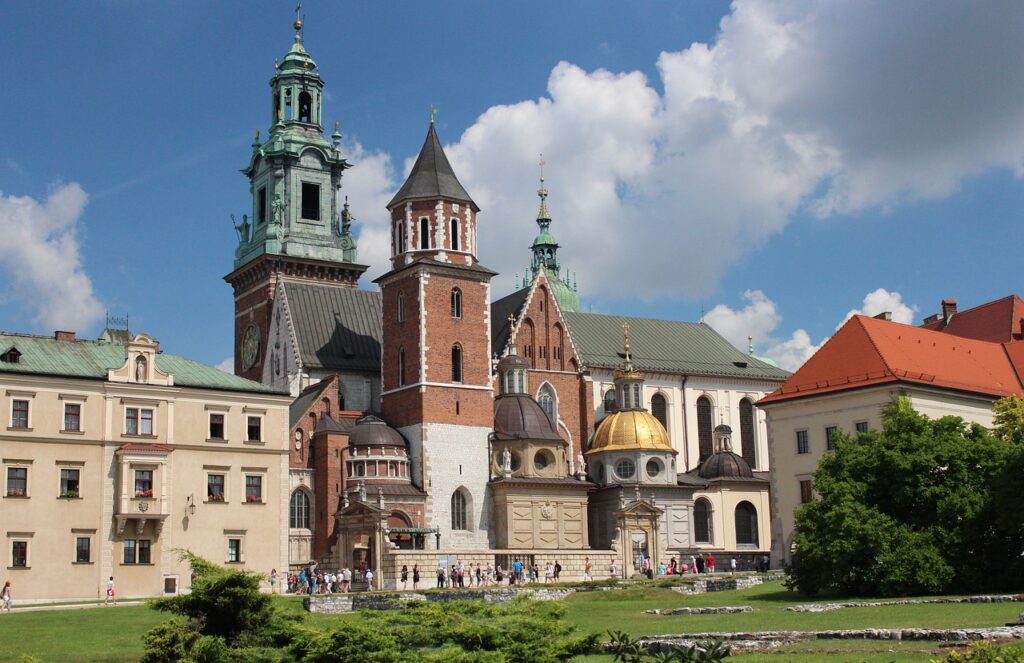
Iconic landmarks await: Kraków’s UNESCO-listed Wawel Castle and historic Jewish Quarter, Warsaw’s reborn Old Town and Royal Route, Gdańsk’s amber-lined Hanseatic waterfront and Solidarity history, the soaring Tatra Mountains with Zakopane’s wooden highlander architecture, the Bialowieza Primeval Forest (Europe’s last lowland wilderness with bison), the dramatic Wieliczka Salt Mine chapels, and charming smaller towns like Wroclaw’s colorful market square or Torun’s Copernicus heritage. Each region offers a unique mix of timeless history, natural beauty, and living traditions.
Food and drink are at the core of the experience—savor pierogi (dumplings in countless varieties), bigos (hunter’s stew), żurek (sour rye soup), oscypek (smoked sheep cheese), fresh Baltic herring, hearty żurek or barszcz, and legendary Polish vodka or craft beers from thriving microbreweries. Finish with paczki (doughnuts) or makowiec (poppy seed cake) in lively cafés or mountain huts. Practical tips include the best seasons (spring and autumn for mild weather and fewer crowds), efficient trains (PKP Intercity) or affordable buses (FlixBus) for getting around, advance bookings for popular sites like Auschwitz or Wieliczka in summer, and ways to connect with genuine local life away from tourist crowds.
This guide spotlights top destinations like Kraków and Warsaw, natural escapes such as the Tatras and Bialowieza, cultural highlights including castles, salt mines, and Jewish heritage, hidden gems, and advice for a seamless journey. Whether planning a historic city break, mountain adventure, Baltic coast road trip, or WWII remembrance tour, Poland rewards curiosity, an open heart, and a love for authentic discoveries. Let this guide inspire your adventure in the heart of Central Europe.
How to Travel to North Macedonia
Need to Know
Essential facts to help you plan your trip to Poland – from visa and currency to safety and connectivity.
Why Travel to Poland
Tip: Poland offers historic cities, dramatic mountains, medieval castles, vast forests, Baltic beaches, and hearty cuisine at great value.
Why: UNESCO Kraków, reborn Warsaw, Gdańsk’s Hanseatic charm, Tatra Mountains hikes, Bialowieza bison, Wieliczka Salt Mine, and vibrant modern culture make it a must-visit.
How: Explore sites (€5–20 entry), savor pierogi and bigos (€5–15), and join guided tours via local operators (€20–60) for deeper insights into history and nature.
Do I Need a Visa
Tip: Visa-free for many nationalities (EU/EEA, US, UK, Canada, Australia, etc.) up to 90 days in 180 for tourism/business.
Why: Poland is in the Schengen Area; no separate visa needed for short stays (ETIAS required from mid-2025 for visa-exempt travelers).
How: Check eligibility on gov.pl or your embassy. Passport valid 3 months beyond stay. ETIAS (€7 online, valid 3 years) required for visa-exempt from 2025/2026. Carry proof of accommodation/funds/return ticket.
What is the Currency of Poland
Tip: The currency is the Polish Zloty (PLN / zł). Average daily budget €60–120 (PLN 250–500) depending on style.
Why: Zloty is used nationwide; one of Europe's best-value destinations for food, stays, transport, and attractions.
How: Cards widely accepted; cash useful in rural areas/markets. Withdraw from ATMs (low fees). Use Revolut/Wise for exchanges. Declare over €10,000 equivalent on entry/exit.
Is Poland Expensive to Visit
Tip: Affordable – one of Europe's best-value countries; Kraków, Warsaw, and rural areas offer excellent quality for price.
Why: Budget options abound: meals €5–15, transport €5–20, accommodation €30–100, attractions €5–20.
How: Stay in hostels/guesthouses (€20–80). Eat at milk bars (bar mleczny) or local restaurants. Use trains (PKP Intercity) or buses (FlixBus) affordably.
Can I Drink the Tap Water
Tip: Yes – tap water is safe and high-quality in most cities (Warsaw, Kraków, Gdańsk) and often excellent from mountain sources.
Why: EU standards; very good in urban areas; rural spots vary slightly, but bottled water is cheap if preferred.
How: Drink from taps confidently in cities. Refill reusable bottles at public fountains or springs (common in mountains). Order bottled in very remote areas if unsure.
Can I Buy a SIM Card
Tip: Easy to buy prepaid SIM or eSIM for data and calls (€5–25).
Why: Excellent 4G/5G coverage for maps, bookings, and staying connected across cities, mountains, and coast.
How: Purchase at airports, shops, or kiosks (Orange, Play, T-Mobile, Plus). Passport required for registration. eSIM via Airalo/Holafly (€5–25). Top up online or in-store.
Practical Tips for Traveling in Poland
Everything you need to know before you go – from visas and money to safety and transport.
Visa and Documentation
Tip: Visa-free for many nationalities (EU/EEA, US, UK, Canada, Australia, etc.): up to 90 days in any 180-day period for tourism/business.
Why: Poland is in the Schengen Area; no separate visa needed for short stays (ETIAS required from mid-2025 for visa-exempt travelers).
How: Check eligibility on gov.pl or your embassy ($0). Passport valid 3 months beyond stay. ETIAS (€7 online, valid 3 years) required for visa-exempt from 2025/2026. Carry proof of accommodation, funds, and return ticket.
Currency and Payments
Tip: Polish Zloty (PLN / zł) is the currency. Cards (Visa/Mastercard) widely accepted; cash useful in rural areas/markets.
Why: Zloty stable and one of Europe’s best-value currencies; cards common even in small towns.
How: Use ATMs for withdrawals (low fees). Apps like Revolut/Wise for best rates. Carry cash (PLN 500–1,000 ≈ €120–240) for small vendors or buses. Declare over €10,000 equivalent on entry/exit.
Language and Communication
Tip: Learn basics: “Dzień dobry” (hello), “Dziękuję” (thank you), “Czy mówisz po angielsku?” (Do you speak English?).
Why: English common in cities/tourist areas (Warsaw, Kraków, Gdańsk) but limited elsewhere; locals appreciate efforts.
How: Use apps like Google Translate offline ($0). Buy prepaid SIM or eSIM (€5–25) at airports/shops. Wi-Fi available in cafés/hotels/public transport.
Safety and Dangers in Poland
Tip: Low overall risk; watch for pickpocketing in crowded areas (Warsaw Old Town, Kraków Market Square, trains, buses, markets).
Why: Petty crime occasional in tourist spots; scams rare but possible (e.g., unofficial taxis or fake guides).
How: Use secure bags. Stay alert in crowds. Use Bolt/Uber for taxis. Follow advisories and enroll in embassy programs. Poland is very safe for travelers overall.
More Safety Tips for PolandAccommodation Options
Tip: Budget hostels/hotels in cities (€30–80/night), guesthouses/apartments in Kraków/Warsaw (€50–150/night).
Why: Wide variety from urban stays to mountain chalets suits all budgets and styles.
How: Book via Booking.com or Airbnb ($0 fees for browsing). Seek off-season deals. Consider family-run guesthouses or mountain huts for authentic experience.
Transportation
Tip: Trains (PKP Intercity) and buses (FlixBus) main options (€5–30 intercity), taxis/apps in cities, car rental for flexibility (€25–60/day).
Why: Trains fast/reliable between major cities; buses affordable for rural/coastal routes. Cars ideal for mountains or off-beat spots.
How: Buy train tickets online (pkp.pl) or at stations. Use FlixBus or BlaBlaCar. Rent cars via local/international firms (manual common; avoid city ZTL zones).
How to Get to & Around Poland
Everything you need to know about arriving in Poland and moving around its cities and regions.
Travel & Transport
International Arrival
Tip: Fly into Warsaw Chopin Airport (WAW) – the main hub with extensive low-cost and legacy connections. Other major gateways: Kraków (KRK), Gdańsk (GDN), Wrocław (WRO), Katowice (KTW). Flights €40–250 from Europe, $400–900 from North America (via major hubs). Buses (FlixBus) and trains from neighboring countries €20–80.
Why: Warsaw handles most international traffic with excellent European links; Kraków and Gdańsk great for southern/northern access; buses/trains offer affordable overland from Germany, Czechia, Slovakia, Ukraine, Lithuania.
How: Compare flights on Skyscanner or Google Flights ($0). Airport train/bus/taxi to city centers (€3–30). International buses via flixbus.com or stations (€20–100 from Berlin, Prague, Vienna, Budapest). Trains (PKP Intercity, RegioJet) from Berlin, Vienna, Prague, Budapest. Drive via A2/E30 highways.
Domestic Transport Options
Tip: High-speed trains (PKP Pendolino) €20–60 (Warsaw–Kraków ~2.5 hrs), regional trains €5–30, buses (FlixBus) €10–40, domestic flights €30–100, taxis/apps €5–20 city rides, car rental €25–60/day.
Why: Trains are fast, reliable, and scenic on main routes; buses affordable for rural/coastal; cars ideal for mountains (Tatras) or off-beat spots; domestic flights useful for long distances (Gdańsk–Kraków).
How: Buy train tickets online (pkp.pl) or at stations. Use FlixBus or BlaBlaCar for buses. Rent cars via local/international firms (manual common; good for flexibility). Public transport affordable and efficient in cities. Avoid driving in city centers if unfamiliar.
When to Go to Poland
Plan your perfect trip with our guide to weather, festivals, crowd levels, and regional highlights.
When to Go to Poland
Best Time to Visit
Tip: Travel in spring (April–June) or fall (September–October) for mild weather and fewer crowds.
Why: Pleasant temperatures (10–22°C), blooming landscapes or autumn colors, ideal city sightseeing in Kraków/Warsaw, hiking in Tatras, and easier access to sites like Wieliczka Salt Mine.
How: Book accommodations 1–2 months ahead. Pack layers for variable weather. Avoid peak summer holidays for better rates and quieter spots.
Weather by Season
Spring (Mar–May): 5–20°C. Blooming parks, mild days with some rain – perfect for Warsaw/Kraków exploration and early Tatra hikes.
Summer (Jun–Aug): 18–30°C+. Warm and sunny; great for Baltic beaches, festivals, and mountain trails but crowded and hot in cities.
Fall (Sep–Nov): 5–18°C. Crisp air with harvest season; excellent for Kraków old town, Gdańsk, and colorful foliage in Bialowieza Forest.
Winter (Dec–Feb): -10–5°C. Cold and snowy; ideal for skiing in Zakopane/Tatras, Christmas markets, and cozy city visits.
Major Festivals & Events
Warsaw Christmas Market (Dec–Jan): Festive lights, food, and mulled wine in Old Town.
Kraków Christmas Crib Competition & Szopki Festival (Dec): Unique nativity scene displays.
Wrocław Good Beer Festival (May): Craft beer celebration with live music.
Open'er Festival (July, Gdynia): Major music festival with international acts.
Wianki Midsummer Festival (June, Kraków): Traditional wreath-floating and bonfires on the Vistula River.
Crowd Levels & Costs
Peak Season (Jun–Aug): Hotels +40–80%. Kraków Old Town, Warsaw museums, Baltic coast, and Tatras busiest. Book early.
Low Season (Nov–Mar): 30–60% cheaper. Quieter cities; mountain areas subdued except ski resorts and Christmas markets.
Shoulder Season (Apr–May & Sep–Oct): Best balance – comfortable weather, lower crowds, great deals on flights/hotels.
Regional Travel Tips
Warsaw & Central Poland: Year-round. Spring/fall for mild city walks; winter for Christmas markets and cozy museums.
Kraków & Southern Poland: May–Sep. Avoid summer peak crowds; spring/fall ideal for Wawel Castle, Wieliczka Salt Mine, and Auschwitz visits.
Tatras & Zakopane: Jun–Sep for hiking; Dec–Mar for skiing and snow sports.
Baltic Coast (Gdańsk, Sopot): Jun–Aug for beaches and festivals; spring/fall for quieter Hanseatic city exploration.
Packing Essentials
Spring/Fall: Layers, light jacket, comfortable walking shoes, raincoat, scarf, umbrella.
Summer: Breathable clothes, sunscreen, hat, swimsuit (for Baltic), modest attire for churches/castles.
Winter: Warm coat, gloves, boots, thermal layers; ski gear for mountains.
Year-round: Adapter plug (Type C/E), reusable water bottle, cross-body bag, sturdy shoes for cobblestones/trails.
Top Destinations in Poland
Discover 8 must-visit places from historic capitals to dramatic mountains, medieval cities, Baltic coast, ancient forests, and unforgettable heritage sites.
Top Destinations in Poland
Warsaw
Tip: Walk the Royal Route and Old Town early. Use Bolt/Uber for cheap rides (€5–10).
Why: Rebuilt after WWII destruction, blending historic charm with modern skyscrapers, parks, museums, and vibrant nightlife.
Must-See:
- Old Town & Royal Castle
- Lazienki Park & Palace on the Water
- Warsaw Uprising Museum
- Palace of Culture and Science viewpoint
How: Fly into WAW (€40–300). Stay in Old Town or city center (€40–120/night). Use trams/metro (€1–2) or walk.
Kraków
Tip: Visit Wawel early and book Wieliczka tickets in advance (€20–30). Walk the city center.
Why: One of Europe’s best-preserved medieval cities with Wawel Castle, Kazimierz Jewish Quarter, and lively market square.
Must-See:
- Wawel Castle & Cathedral
- Main Market Square & Cloth Hall
- Kazimierz & Schindler’s Factory
- Auschwitz-Birkenau day trip (1.5h)
How: Fly into KRK (€40–250). Stay in Old Town (€40–120/night). Walk or use trams (€1–2).
Gdańsk & Baltic Coast
Tip: Walk the Long Market and visit Sopot pier. Use trains between Gdańsk, Sopot, Gdynia (€2–5).
Why: Hanseatic architecture, amber shops, Solidarity history, beautiful beaches, and vibrant waterfront.
Must-See:
- Long Market & Neptune Fountain
- St. Mary’s Church & viewpoint
- Solidarity Centre & shipyard
- Sopot pier & beaches
How: Fly into GDN (€40–250). Stay in Old Town (€40–100/night). Walk or local trains.
Zakopane & Tatra Mountains
Tip: Take the cable car to Kasprowy Wierch. Visit in shoulder season for fewer crowds.
Why: Poland’s alpine heart with wooden highlander architecture, dramatic peaks, trails, and ski resorts.
Must-See:
- Krupówki street & Gubałówka
- Kasprowy Wierch cable car
- Morskie Oko lake hike
- Highlander culture & oscypek cheese
How: Bus/train from Kraków (2–3h, €10–20). Stay in guesthouses (€40–120/night). Walk or buses.
Wrocław
Tip: Look for the famous dwarf statues (over 600!). Walk the Market Square at night.
Why: Colorful market square, Gothic churches, Oder River islands, and vibrant student atmosphere.
Must-See:
- Market Square & Town Hall
- Ostrów Tumski Cathedral Island
- Panorama of the Racławice Battle
- Dwarf hunting & Centennial Hall
How: Fly into WRO (€40–250). Stay near Old Town (€40–100/night). Walk or trams.
Wieliczka Salt Mine
Tip: Book the Tourist Route in advance (€25–35). Wear warm clothes (14–16°C underground).
Why: UNESCO-listed underground wonder with chapels, lakes, and sculptures carved from salt.
Must-See:
- St. Kinga’s Chapel
- Underground lakes & chambers
- Salt sculptures & history exhibits
- Concert hall & museum
How: Bus/train from Kraków (30min, €3–5). Day trip; guided tours only.
Białowieża Forest
Tip: Book a guided tour to see bison (€20–50). Visit in spring/fall for best wildlife.
Why: Europe’s last primeval lowland forest with free-roaming bison, lynx, wolves, and ancient trees.
Must-See:
- Bison reserve & trails
- Strictly protected zone tour
- Wooden Orthodox churches
- Local honey & crafts
How: Train/bus from Warsaw (3–4h, €15–30). Stay in guesthouses (€40–90/night).
Auschwitz-Birkenau
Tip: Book guided tour in advance (€15–25). Allow 3–4 hours; emotionally intense.
Why: Most important Holocaust memorial site; powerful place for remembrance and education.
Must-See:
- Auschwitz I camp & exhibitions
- Birkenau (Auschwitz II) barracks
- Gas chambers & crematoria ruins
- Memorial & reflection areas
How: Organized tour/bus from Kraków (1.5h, €30–50 incl. entry). Respectful dress/behavior required.
Top Destinations in Poland
Discover 8 must-visit places from historic capitals to dramatic mountains, medieval cities, Baltic coast, ancient forests, and unforgettable heritage sites.
Top Destinations in Poland
Warsaw
Tip: Walk the Royal Route and Old Town early. Use Bolt/Uber for cheap rides (€5–10).
Why: Rebuilt after WWII destruction, blending historic charm with modern skyscrapers, parks, museums, and vibrant nightlife.
Must-See:
- Old Town & Royal Castle
- Łazienki Park & Palace on the Water
- Warsaw Uprising Museum
- Palace of Culture and Science viewpoint
How: Fly into WAW (€40–300). Stay in Old Town or city center (€40–120/night). Use trams/metro (€1–2) or walk.
Kraków
Tip: Visit Wawel early and book Wieliczka tickets in advance (€20–30). Walk the city center.
Why: One of Europe’s best-preserved medieval cities with Wawel Castle, Kazimierz Jewish Quarter, and lively market square.
Must-See:
- Wawel Castle & Cathedral
- Main Market Square & Cloth Hall
- Kazimierz & Schindler’s Factory
- Auschwitz-Birkenau day trip (1.5h)
How: Fly into KRK (€40–250). Stay in Old Town (€40–120/night). Walk or use trams (€1–2).
Gdańsk & Baltic Coast
Tip: Walk the Long Market and visit Sopot pier. Use trains between Gdańsk, Sopot, Gdynia (€2–5).
Why: Hanseatic architecture, amber shops, Solidarity history, beautiful beaches, and vibrant waterfront.
Must-See:
- Long Market & Neptune Fountain
- St. Mary’s Church & viewpoint
- Solidarity Centre & shipyard
- Sopot pier & beaches
How: Fly into GDN (€40–250). Stay in Old Town (€40–100/night). Walk or local trains.
Zakopane & Tatra Mountains
Tip: Take the cable car to Kasprowy Wierch. Visit in shoulder season for fewer crowds.
Why: Poland’s alpine heart with wooden highlander architecture, dramatic peaks, trails, and ski resorts.
Must-See:
- Krupówki street & Gubałówka
- Kasprowy Wierch cable car
- Morskie Oko lake hike
- Highlander culture & oscypek cheese
How: Bus/train from Kraków (2–3h, €10–20). Stay in guesthouses (€40–120/night). Walk or buses.
Wrocław
Tip: Look for the famous dwarf statues (over 600!). Walk the Market Square at night.
Why: Colorful market square, Gothic churches, Oder River islands, and vibrant student atmosphere.
Must-See:
- Market Square & Town Hall
- Ostrów Tumski Cathedral Island
- Panorama of the Racławice Battle
- Dwarf hunting & Centennial Hall
How: Fly into WRO (€40–250). Stay near Old Town (€40–100/night). Walk or trams.
Wieliczka Salt Mine
Tip: Book the Tourist Route in advance (€25–35). Wear warm clothes (14–16°C underground).
Why: UNESCO-listed underground wonder with chapels, lakes, and sculptures carved from salt.
Must-See:
- St. Kinga’s Chapel
- Underground lakes & chambers
- Salt sculptures & history exhibits
- Concert hall & museum
How: Bus/train from Kraków (30min, €3–5). Day trip; guided tours only.
Białowieża Forest
Tip: Book a guided tour to see bison (€20–50). Visit in spring/fall for best wildlife.
Why: Europe’s last primeval lowland forest with free-roaming bison, lynx, wolves, and ancient trees.
Must-See:
- Bison reserve & trails
- Strictly protected zone tour
- Wooden Orthodox churches
- Local honey & crafts
How: Train/bus from Warsaw (3–4h, €15–30). Stay in guesthouses (€40–90/night).
Auschwitz-Birkenau
Tip: Book guided tour in advance (€15–25). Allow 3–4 hours; emotionally intense.
Why: Most important Holocaust memorial site; powerful place for remembrance and education.
Must-See:
- Auschwitz I camp & exhibitions
- Birkenau (Auschwitz II) barracks
- Gas chambers & crematoria ruins
- Memorial & reflection areas
How: Organized tour/bus from Kraków (1.5h, €30–50 incl. entry). Respectful dress/behavior required.