PORTUGAL
THE ULTIMATE TRAVEL GUIDE
Discover the Essence of Portugal: Your Complete Travel Companion to Exquisite Beaches, Historic Cities, and Culinary Delights. Uncover the Rich Tapestry of Culture, Savor Authentic Flavors, and Immerse Yourself in Timeless Traditions. Let Our Guide Lead You Through an Unforgettable Journey Across the Beauty and Charm of Portugal.
Magnificent Portugal Travel Guide: Your Gateway to Unforgettable Adventures
Welcome to the Magnificent Portugal Travel Guide, your essential companion for exploring one of Europe's most captivating and welcoming countries. Portugal enchants with its historic cities, dramatic coastlines, world-renowned port wine and seafood, ancient monuments, and varied landscapes—from the colorful hills of Lisbon and the river valleys of Porto to the golden beaches of the Algarve, fairy-tale palaces of Sintra, and terraced vineyards of the Douro Valley. This guide highlights eight top destinations, cultural experiences, and practical tips to ensure a seamless and unforgettable journey. Whether you’re wandering Lisbon's charming Alfama district, tasting port in Porto's cellars, hiking coastal trails in the Algarve, or discovering medieval towns and volcanic islands, let this guide inspire your adventure in Portugal.
How to Travel to Portugal
Need to Know
Essential facts to help you plan your trip to Portugal – from visa and currency to safety and connectivity.
Why Travel to Portugal
Tip: Portugal offers stunning coastlines, historic cities, world-class port wine, fresh seafood, warm hospitality, and diverse landscapes from Lisbon's hills to the Algarve beaches and Douro Valley vineyards.
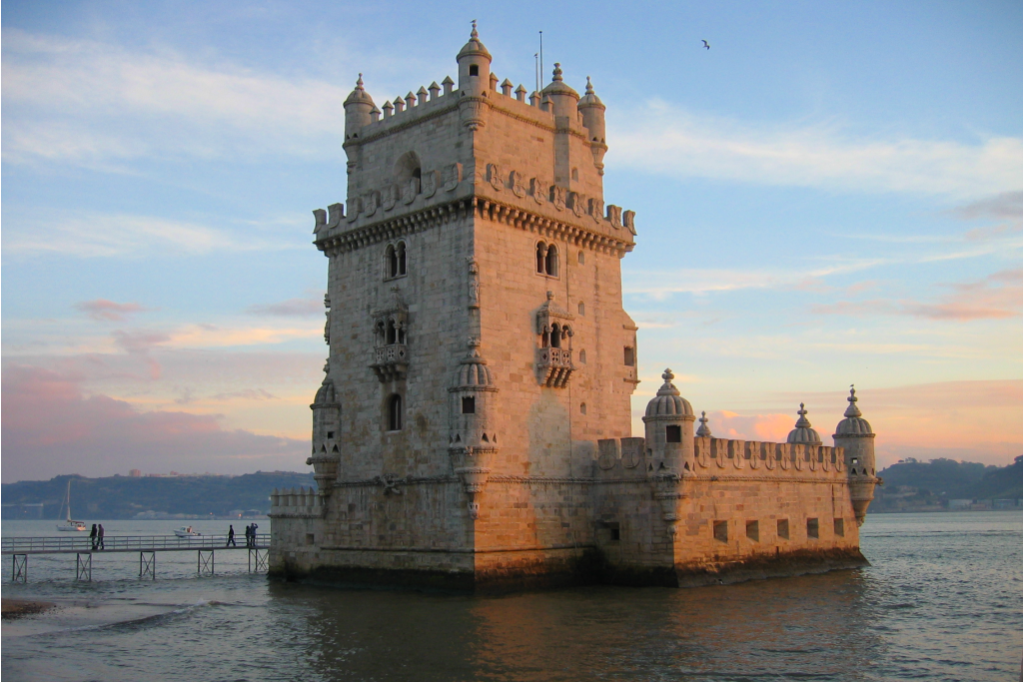
Why: Iconic sites like Belém Tower, Porto's Ribeira, Sintra's palaces, golden beaches, and vibrant fado music make it endlessly charming and photogenic.
How: Visit UNESCO sites (€10–20), enjoy seafood meals (€12–35), and book experiences via GetYourGuide (€20–80) for Douro cruises, Sintra tours, and wine tastings.
Do I Need a Visa
Tip: Schengen visa rules apply – 90 days visa-free for many nationalities (EU, US, Canada, Australia, etc.). ETIAS required from late 2026 (€7).
Why: Allows legal short stays in the Schengen Area (up to 90 days in 180).
How: Check eligibility on official EU sites. Apply for ETIAS online once launched (for visa-exempt). Passport valid 3 months beyond stay. Visa if needed (€90 Schengen fee).
What is the Currency of Portugal
Tip: The currency is the Euro (€). Average daily budget €70–140 depending on style.
Why: Euro is standard across Portugal for easy payments and consistency with most of Europe.
How: Contactless cards/Apple Pay widely accepted in cities and tourist areas. Use ATMs (€2–5 fee possible). Avoid high-fee exchanges. Consider Revolut/Wise for low-cost transfers.
Is Portugal Expensive to Visit
Tip: Portugal remains one of Western Europe's more affordable destinations – Lisbon and Porto are moderate, Algarve can be pricier in peak season.
Why: Options from budget hostels to luxury; meals €8–30, transport €3–15.
How: Stay in hostels/Airbnb (€40–100). Eat at tascas or local restaurants (€8–20). Use Comboios de Portugal (CP) trains or Rede Expressos buses for cheap intercity travel (€10–40).
Can I Drink the Tap Water
Tip: Yes – tap water is safe to drink in most of mainland Portugal, especially in cities and tourist areas.
Why: High quality and strictly regulated; saves money and reduces plastic waste.
How: Drink freely from taps. Refill bottles at public fountains or stations. In very rural areas or islands (Madeira/Azores), bottled water is often preferred. Ask for “água da torneira” in restaurants.
Can I Buy a SIM Card
Tip: Prepaid SIM or eSIM easy to get for data and calls (€10–35).
Why: Excellent 4G/5G coverage nationwide, including rural areas and islands, for maps, apps, and staying connected.
How: Buy at airports, Vodafone, NOS, or MEO stores, or supermarkets. eSIM via Airalo, Holafly, or Jetpac (€5–25). Top up online or in-app. EU roaming free for EU visitors.
Practical Tips for Traveling in Portugal
Everything you need to know before you go – from visas and money to safety and transport.
Visa and Documentation
Tip: Schengen rules: 90 days visa-free for many nationalities. Passport valid 3 months beyond stay. ETIAS required from late 2026 (€7).
Why: Allows hassle-free entry for tourism within the Schengen Area (up to 90 days in 180).
How: Check eligibility on official EU sites. Apply for ETIAS online once launched (no action needed yet in early 2026). Carry proof of funds, accommodation, and return ticket if asked.
Currency and Payments
Tip: Euro (€) is the currency. Cards (Visa/Mastercard) widely accepted in cities; contactless and mobile payments common.
Why: Convenient in tourist areas; cash still preferred in smaller towns, markets, and rural spots.
How: Use ATMs for withdrawals (€2–5 fee possible). Apps like Revolut/Wise for low fees. Carry some cash (€50–100) for small shops, cafés, and tips.
Language and Communication
Tip: Learn basics: “Olá” (hello), “Obrigado/a” (thank you), “Fala inglês?” (Do you speak English?).
Why: English is common in tourist areas (Lisbon, Porto, Algarve) but less so in rural regions and smaller towns.
How: Use apps like Google Translate offline ($0). Buy a prepaid SIM from Vodafone, NOS, or MEO (€10–35) for data. Greet with “Bom dia” or “Boa tarde” to show respect.
Safety and Dangers in Portugal
Tip: Beware pickpocketing in crowded tourist spots (Lisbon trams, Porto Ribeira, beaches). Low violent crime; watch for bag-snatching and scams.
Why: Petty crime in high-tourist zones; overall very safe destination (Level 1 advisory).
How: Use anti-theft bags ($0). Keep valuables secure in crowds and on public transport. Avoid leaving items unattended on beaches. Register with embassy apps and follow local advisories.
More Safety Tips for PortugalAccommodation Options
Tip: Budget hostels in cities (€25–60/night), hotels/Airbnb (€50–130/night), guesthouses/pousadas in countryside (€40–100/night).
Why: Wide range from chic city boutique hotels to charming rural quintas and coastal resorts.
How: Book via Booking.com or Airbnb ($0 fees for browsing). Look for deals in shoulder seasons (spring/autumn). Consider Pousadas de Portugal for historic stays.
Transportation
Tip: CP trains (€10–40+), Rede Expressos buses (€5–25), metro/trams in cities (€1.50–3/ticket), Uber/Bolt rides affordable.
Why: Reliable trains connect Lisbon–Porto–Algarve; buses great for smaller towns; driving scenic but parking tricky in cities.
How: Buy train tickets on cp.pt or app. Use Viva Viagem card for Lisbon public transport. Rent cars via Sixt or Discover Cars for Algarve/Douro; note toll roads (electronic Via Verde).
How to Get to & Around Portugal
Everything you need to know about arriving in Portugal and moving around its cities and regions.
Travel & Transport
International Arrival
Tip: Fly into Lisbon (LIS) or Porto (OPO) – the main international gateways. Flights €250–700 from North America, €30–200 from Europe. Other gateways: Faro (FAO) for Algarve, Madeira (FNC), Ponta Delgada (PDL) for Azores.
Why: Lisbon and Porto offer the most direct long-haul and European connections with efficient city links; Faro serves southern beach resorts seasonally.
How: Compare flights on Skyscanner or Google Flights ($0). Budget carriers (Ryanair, easyJet, TAP Air Portugal) for Europe. No direct high-speed rail from Spain yet; buses (FlixBus, ALSA) from Spain (€20–60). Ferries from Spain/Morocco to southern ports (limited).
Domestic Transport Options
Tip: Trains (Alfa Pendular/Intercidades) €10–50, buses (Rede Expressos) €5–30, metro/trams in cities €1.50–3/ticket, Uber/Bolt rides €5–20, car rental €25–70/day. Domestic flights Lisbon–Porto–Faro €30–100.
Why: Comboios de Portugal (CP) trains are comfortable and scenic (Lisbon–Porto ~3 hrs); buses reach smaller towns; cars ideal for Algarve coast, Douro Valley, or rural areas; cities excellent for walking/public transport.
How: Book trains via cp.pt or CP app ($0 fees). Use Rede Expressos or FlixBus for budget routes. Rent cars via Sixt, Discover Cars or Rentalcars.com (electronic tolls via Via Verde). Buy Viva Viagem/Navegante card for Lisbon public transport.
When to Go to Portugal
Plan your perfect trip with our guide to weather, festivals, crowd levels, and regional highlights.
When to Go to Portugal
Best Time to Visit
Tip: Travel in spring (April–June) or fall (September–October) for pleasant weather and fewer crowds.
Why: Mild temperatures (15–25°C), blooming flowers or golden autumn light, lower prices, and manageable crowds at major sites like Lisbon, Porto, and the Algarve.
How: Book accommodations 2–3 months ahead. Pack layers for variable coastal/mountain weather. Avoid peak summer for better deals and easier access to beaches and trails.
Weather by Season
Spring (Mar–May): 12–22°C. Sunny with occasional rain; perfect for city sightseeing, Sintra hikes, and wildflowers in the Alentejo.
Summer (Jun–Aug): 20–35°C+. Hot and sunny (especially Algarve); ideal for beaches but very crowded and hot inland.
Fall (Sep–Nov): 15–26°C. Warm and pleasant; great for Douro Valley harvest, fewer tourists, and still-swimmable seas.
Winter (Dec–Feb): 8–17°C. Mild and rainy north/coast; sunnier and warmer south (Algarve ~18°C); ideal for cities and low-season deals.
Major Festivals & Events
Santo António Festival (June 12–13): Lisbon's lively street parties, sardine grills, and music in Alfama.
São João Festival (June 23–24): Porto's biggest party with fireworks, bonfires, and street dancing.
Óbidos Christmas Village (Nov–Jan): Magical medieval town transformed into a Christmas wonderland.
Carnival (Feb/Mar, varies): Colorful parades and festivities, especially in Torres Vedras, Loulé, and Madeira.
Douro Harvest (Sep–Oct): Grape stomping and wine festivals in the Douro Valley during vintage season.
Crowd Levels & Costs
Peak Season (Jul–Aug & Easter): Hotels +50–100%. Algarve beaches, Lisbon, Porto busiest. Book early for summer.
Low Season (Nov–Mar, excluding Christmas/New Year): 30–60% cheaper. Quieter sites; Algarve still mild; cities lively with markets.
Shoulder Season (Apr–Jun & Sep–Oct): Best balance – good weather, fewer crowds, lower prices on flights/hotels.
Regional Travel Tips
Lisbon & Sintra: Year-round. Spring/fall for pleasant walks; summer for rooftop bars; winter for cozy fado nights.
Porto & Douro Valley: Spring/fall for mild weather and harvest; summer for river cruises; winter quieter but still scenic.
Algarve: May–Oct for beaches and swimming; shoulder months for hiking and golf without peak crowds; winter mild for off-season relaxation.
Madeira & Azores: Year-round mild (subtropical); spring/fall for hiking; summer for swimming; winter for whale watching and flowers.
Packing Essentials
Spring/Fall: Layers, light jacket, scarf, comfortable walking shoes (cobblestones!), umbrella for showers.
Summer: Lightweight clothes, swimsuit, sunscreen, hat, sunglasses, sturdy shoes for trails/beaches.
Winter: Warm layers, waterproof jacket, scarf, boots; lighter clothes for Algarve/Madeira.
Year-round: Adapter plug (Type C/F), reusable water bottle, cross-body bag, sunscreen, stylish casual wear, good walking shoes.
Top Destinations in Portugal
Discover 8 must-visit places from vibrant cities to golden beaches and dramatic valleys.
Top Destinations in Portugal
Lisbon
Tip: Get a Lisboa Card (24–72h, €22–50) for free transport and discounts. Ride Tram 28 early morning to avoid crowds.
Why: Colorful hills, historic trams, stunning viewpoints, fado music, and vibrant neighborhoods like Alfama and Bairro Alto.
Must-See:
- Belém Tower & Jerónimos Monastery (UNESCO, €12 combo)
- Alfama & São Jorge Castle (€15)
- Praça do Comércio & Santa Justa Lift
- Pastéis de Belém (original custard tarts)
How: Fly into LIS (€150–600). Stay in Baixa, Chiado or Alfama (€70–250/night). Use metro/tram day pass (€6.50) or walk/hillside funiculars.
Porto
Tip: Book port wine cellar tour in advance (€15–30). Walk across Dom Luís I Bridge at sunset.
Why: UNESCO Ribeira district, dramatic river views, historic port wine cellars, and lively atmosphere.
Must-See:
- Ribeira & Douro River waterfront
- Livraria Lello (€8 entry, credit toward book)
- Clérigos Tower (€8) & São Bento Station azulejos
- Port wine tasting in Vila Nova de Gaia
How: Fly into OPO (€100–500). Stay in Ribeira or Baixa (€80–220/night). Use metro (€1.20–2) or walk the hilly center.
Algarve
Tip: Rent a car to explore hidden beaches and cliffs. Visit Lagos or Faro in shoulder season for fewer crowds.
Why: Golden beaches, dramatic sea caves, golf resorts, fresh seafood, and sunny weather year-round.
Must-See:
- Benagil Cave & Ponta da Piedade cliffs (boat tour €20–40)
- Praia da Marinha & Falésia Beach
- Lagos old town & slave market museum
- Sagres & Cabo de São Vicente lighthouse
How: Fly into FAO (€50–400). Rent car (€25–70/day). Stay in Lagos, Albufeira or Tavira (€60–200/night).
Sintra
Tip: Buy Pena Palace tickets online (€14 + €10 transport). Visit early to beat tour groups.
Why: UNESCO-listed fairy-tale palaces, lush gardens, and misty hills – a romantic day trip from Lisbon.
Must-See:
- Pena Palace & Park (€14–20)
- Quinta da Regaleira (initiation well, €10)
- Moorish Castle ruins (€8)
- Cabo da Roca (Europe’s westernmost point)
How: Train from Lisbon (€2.40 one-way). Use 434 bus loop (€7.60/day). Stay in Sintra (€80–180/night) or day-trip.
Douro Valley
Tip: Book a Douro cruise or train ride in advance. Visit during harvest (Sep–Oct) for grape stomping.
Why: UNESCO terraced vineyards, scenic river, port wine estates, and charming villages like Pinhão.
Must-See:
- Douro River cruise (€60–120)
- Quinta do Crasto or Quinta da Pacheca wine tasting
- Pinhão train station azulejos
- Miradouro de São Leonardo de Galafura viewpoint
How: Train from Porto to Pinhão (€15–30). Rent car or join tour. Stay in Peso da Régua or vineyard quintas (€90–250/night).
Coimbra
Tip: Visit the Joanina Library during quieter hours (€12.50). Catch a fado performance in the old town.
Why: Historic university town with stunning baroque library, medieval streets, and lively student atmosphere.
Must-See:
- University of Coimbra & Joanina Library (UNESCO)
- Old Cathedral (Sé Velha)
- Quinta das Lágrimas gardens
- Portugal dos Pequenitos miniature park
How: Train from Lisbon/Porto (€15–35). Stay in Baixa (€60–150/night). Walkable center; use buses for university hill.
Évora
Tip: Visit the Chapel of Bones early. Try Alentejo black pork and regional wines at local restaurants.
Why: UNESCO Roman temple, medieval walls, bone chapel, and charming Alentejo whitewashed streets.
Must-See:
- Roman Temple of Diana
- Chapel of Bones in São Francisco Church (€5)
- Évora Cathedral & Gothic cloister
- University gardens & megalithic sites nearby
How: Train or bus from Lisbon (€12–25). Rent car for countryside. Stay in historic center (€70–180/night).
Madeira
Tip: Book levada walks and cable car in advance. Visit Funchal market for poncha and espada fish.
Why: Subtropical island with dramatic cliffs, lush levadas, volcanic pools, and year-round mild climate.
Must-See:
- Funchal old town & Mercado dos Lavradores
- Cabo Girão skywalk (highest sea cliff in Europe)
- Levada do Caldeirão Verde hike
- Porto Moniz natural lava pools
How: Fly into FNC (€50–400). Rent car essential (€30–80/day). Stay in Funchal (€70–200/night).