MONGOLIA
TRAVEL GUIDE
How To Travel To Stunning Mongolia
Discover Mongolia’s rugged beauty and rich nomadic heritage in our comprehensive travel guide. Uncover the mysteries of the Gobi Desert, witness the grandeur of ancient monasteries, and experience the hospitality of nomadic tribes. From the vibrant capital of Ulaanbaatar to the vast steppes where traditional customs thrive, Mongolia offers a unique adventure. Our guide provides insights into planning your journey, navigating cultural nuances, and embracing the rugged charm of one of the world’s last true wildernesses.
Magnificent Mongolia Travel Guide: Your Gateway to Unforgettable Adventures
Welcome to the Magnificent Mongolia Travel Guide, your essential companion for exploring one of the world's most untouched and awe-inspiring countries.
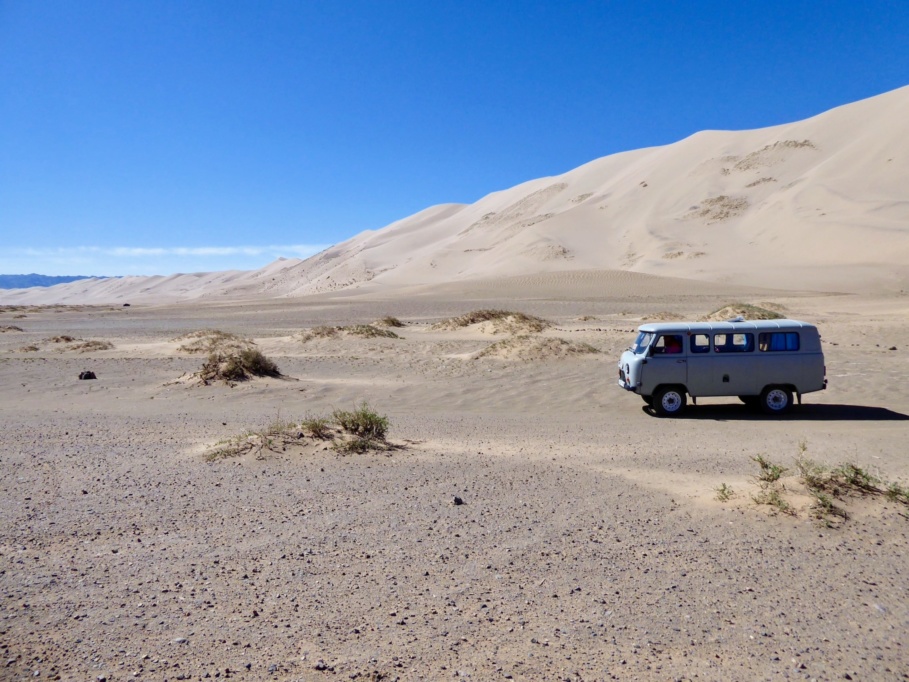
Mongolia captivates travelers with its endless rolling steppes that stretch to the horizon, the otherworldly Gobi Desert featuring towering sand dunes, ancient fossil sites, and dramatic rock formations, and crystal-clear Lake Khuvsgul, often called the Blue Pearl of Mongolia. The country also boasts rugged national parks like Gorkhi-Terelj with its granite rock formations, alpine meadows, and opportunities for hiking and horse riding, as well as Khustain Nuruu, where the rare Przewalski's wild horses roam freely in their natural habitat.
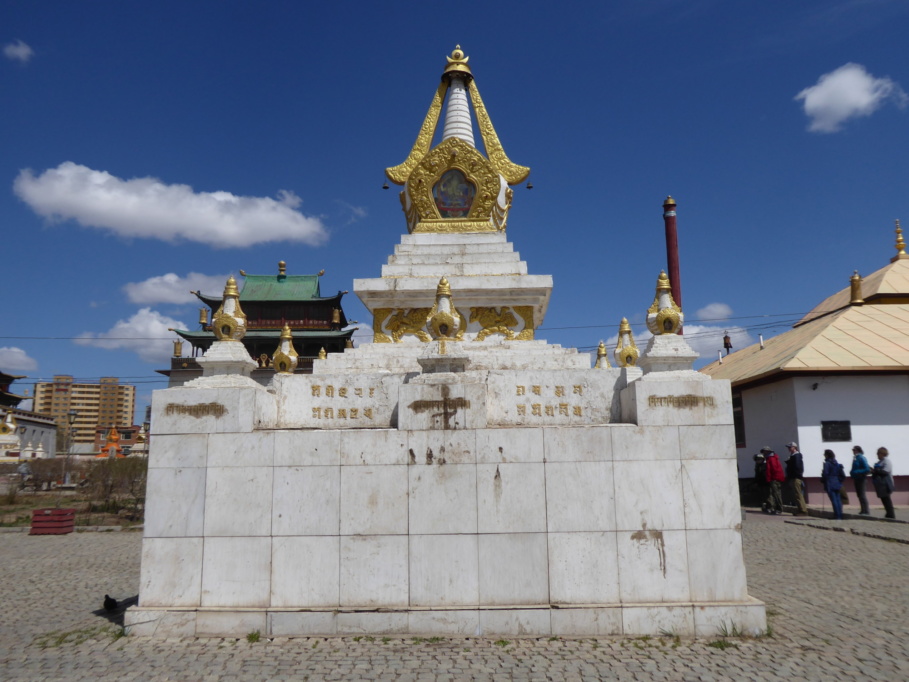
History comes alive here through iconic sites such as the colossal Chinggis Khan Statue Complex, which honors the legendary conqueror, the ancient capital of Karakorum, and the nearby Erdene Zuu Monastery, one of Mongolia's most important Buddhist landmarks. In the remote northern taiga, you can encounter unique reindeer herding communities, while the western regions offer experiences with Kazakh eagle hunters preserving centuries-old traditions.
The bustling capital, Ulaanbaatar, blends Soviet-era architecture, vibrant Buddhist temples, colorful markets, and modern urban energy, serving as the perfect starting point for any journey. This guide highlights the top destinations, authentic nomadic cultural experiences, and practical tips to ensure a seamless and unforgettable adventure.
Whether you’re staying in a traditional ger with welcoming nomadic families, riding horses or Bactrian camels across vast landscapes, witnessing eagle hunting demonstrations, exploring fossil-rich cliffs in the Gobi, marveling at unpolluted starry skies, or immersing yourself in the legacy of Genghis Khan and ancient monasteries, Mongolia offers raw freedom and profound connections to nature and heritage. Let this guide inspire your own epic journey into the wild heart of Mongolia.
Important Note for Travelers
Mongolia is a wonderful country to travel in — it also can be challenging travel. The harsh climate (extreme cold in winter, hot days and freezing nights in summer, sudden dust storms and strong winds) and little to no infrastructure outside Ulaanbaatar make this destination best suited for adventurous, flexible, and well-prepared travelers.
Roads are often unpaved or non-existent in remote areas, public transport is limited, and services can be basic or unavailable. Expect long travel times, unpredictable weather, and the need for self-sufficiency in many regions. With proper planning, guided tours, and respect for the nomadic way of life, your journey through Mongolia can be one of the most rewarding travel experiences on Earth.
How to Travel to Mongolia
Need to Know
Essential facts to help you plan your trip to Mongolia – from visa and currency to safety and connectivity.
Why Travel to Mongolia
Tip: Mongolia offers vast untouched landscapes, nomadic culture, dramatic natural wonders, ancient history tied to Genghis Khan, and authentic experiences with welcoming people.
Why: Highlights include the endless steppes, Gobi Desert dunes and fossils, Lake Khuvsgul, Gorkhi-Terelj National Park, the Chinggis Khan Statue Complex, ancient Karakorum and Erdene Zuu Monastery, wild horses in Khustain Nuruu, eagle hunters in the west, starry skies, and staying in traditional gers with nomads—offering serenity, adventure, and reconnection with nature unlike anywhere else.
How: Join guided tours or homestays (€30–150/day), visit national parks and sites (often low-cost or free entry), enjoy nomadic meals like buuz or khorkhog (€5–20), and experience horse/camel riding or eagle hunting (€50–200) for immersive adventures.
Do I Need a Visa
Tip: Many nationalities (including US, Canada, most Europeans, Australia, New Zealand, South Korea, and others—over 60 countries) enjoy visa-free entry for tourism up to 30 days (some up to 90 days) through at least the end of 2026; extensions or e-visas available for longer stays or other nationalities.
Why: Mongolia promotes tourism with generous temporary visa exemptions (extended through 2026 for many); policies can change, so confirm your eligibility to enter smoothly.
How: Check the official Mongolian Ministry of Foreign Affairs or Immigration website, or the eVisa portal for your nationality. Passport must be valid for at least 6 months beyond arrival. Register with Immigration within 48 hours of arrival if staying longer (hotels often handle this). Apply for e-visa or embassy visa if required in advance.
What is the Currency of Mongolia
Tip: The currency is the Mongolian Tögrög (MNT, symbol ₮). Average daily budget $30–150+ USD depending on style (cash essential outside cities; cards accepted in Ulaanbaatar).
Why: Tögrög is the official tender; US dollars or euros sometimes accepted informally in tourist areas but change in tögrög—carry cash for rural ger camps, markets, and remote travel.
How: Exchange at banks, airports, or authorized changers in Ulaanbaatar (best rates for USD/EUR). Use ATMs (Visa/Mastercard common in cities). Apps like Revolut or Wise work well; avoid high-fee informal changers. Bring small bills for convenience.
Is Mongolia Expensive to Visit
Tip: Affordable for adventure travel—budget options very low-cost, though remote tours and transport add up; Ulaanbaatar moderate, countryside varies by tour style.
Why: Budget travelers spend $30–50/day (hostels, street food, public transport); mid-range $80–150/day (ger camps, guided tours); luxury $200+ (private drivers, high-end lodges). Great value for unique experiences like nomadic stays and nature.
How: Stay in hostels/gers (€10–50/night), eat local food (€5–15/meal), use shared jeeps or buses for travel (€20–100 longer distances). Book tours in advance for better rates on multi-day adventures.
Can I Drink the Tap Water
Tip: Not recommended—tap water in Ulaanbaatar and elsewhere is generally not safe to drink directly due to aging pipes, contamination risks, or treatment issues; bottled or purified water is the standard choice.
Why: Many locals and visitors avoid tap water because of potential bacteria or taste; countryside sources (streams/lakes) often contaminated by livestock—always err on caution to prevent illness.
How: Stick to sealed bottled water (widely available and cheap). Use hotel-provided purified water if offered. Boiling, filters, or purification tablets useful for longer stays or budget travel in remote areas.
Can I Buy a SIM Card
Tip: Prepaid tourist SIM cards are easy, affordable, and widely available (€5–30 for good data plans with generous allowances).
Why: Solid 4G coverage in Ulaanbaatar and main routes (Unitel has the widest network); essential for navigation, maps, and staying connected in remote areas where Wi-Fi is limited.
How: Buy at Chinggis Khaan International Airport kiosks, operator stores (Unitel, Mobicom, Skytel), or city shops (passport usually required for registration). Look for tourist packs with data, calls, and texts. eSIM options via international providers like Airalo also convenient. Top up easily via apps or kiosks.
Practical Tips for Traveling in Mongolia
Everything you need to know before you go – from visas and money to safety and transport.
Visa and Documentation
Tip: Citizens of over 60 countries (including US, Canada, UK, Australia, New Zealand, most EU/Schengen nations) enjoy visa-free entry for tourism up to 30 days (some up to 90 days) through at least the end of 2026. Passport must be valid for at least 6 months beyond arrival.
Why: Mongolia promotes tourism with extended temporary visa exemptions for many nationalities; registration required for longer stays to avoid fines.
How: Check the Mongolian Ministry of Foreign Affairs or eVisa website for your nationality. All visitors must register with Immigration within 48 hours of arrival (hotels often assist; online option available). Carry proof of funds, accommodation, return ticket, and insurance. For required visas, apply via eVisa or embassy in advance.
Currency and Payments
Tip: Mongolian Tögrög (MNT, ₮) is the currency. Cash is essential outside Ulaanbaatar; cards (Visa/Mastercard) accepted mainly in cities/hotels. ATMs available in Ulaanbaatar.
Why: Rural areas and ger camps rely on cash; USD/EUR can be exchanged in Ulaanbaatar but change given in MNT. Contactless/mobile payments limited.
How: Bring USD or EUR to exchange at banks in Ulaanbaatar (best rates). Withdraw from ATMs (Khan Bank, Golomt, etc.) with international cards. Use apps like Revolut/Wise. Carry sufficient cash (small bills helpful) for remote travel; declare large amounts (>15 million MNT) at customs.
Language and Communication
Tip: Learn basics: “Sain baina uu” (hello), “Bayarlalaa” (thank you), “Angliar yar'j chadakh uu?” (Do you speak English?).
Why: English limited outside tourist areas/Ulaanbaatar; Mongolian uses Cyrillic script. Younger people and guides often speak some English.
How: Download Google Translate offline (Mongolian pack). Buy prepaid SIM (€5–30) from Unitel (best coverage), Mobicom, or Skytel at airport/city stores (passport required). Tourist data packs available; eSIM via Airalo convenient for navigation in remote spots.
Safety and Dangers in Mongolia
Tip: Exercise normal precautions; Mongolia is generally safe with low crime rates toward tourists. Petty theft possible in crowded Ulaanbaatar areas/markets.
Why: Low violent crime; pickpocketing risks in busy spots like markets or Naadam festival. Drunken behavior occasional; remote areas safe but require preparation for weather/terrain.
How: Secure valuables in crowds; use money belt. Avoid walking alone at night in unfamiliar areas; take licensed taxis/apps (UB Cab). Follow local advice; register with embassy. Terrorism/crime risk low per advisories (US Level 1: Normal Precautions).
Accommodation Options
Tip: Budget hostels/guesthouses (€10–40/night in Ulaanbaatar), ger camps (€30–100/night in countryside), mid-range hotels/Airbnb (€50–150), luxury lodges (€200+).
Why: Varied options from urban hotels to authentic nomadic ger stays; book in advance for peak season (summer/Naadam).
How: Use Booking.com, Airbnb, or tour operators for ger camps. Central Ulaanbaatar locations convenient. Homestays/nomad experiences immersive; check reviews. Cash/card payments common; confirm inclusions (meals, transport) for rural stays.
Transportation
Tip: Shared jeeps/vans primary for rural/intercity travel; domestic flights for longer distances. Ulaanbaatar has buses, taxis (UB Cab app), and walking in center.
Why: Vast country with limited roads/trains; buses/jeeps affordable but slow; flights (MIAT, etc.) connect major sites efficiently.
How: Book shared transport via hotels/tour agencies. Use UB Cab or official taxis in city. Rent 4x4 with driver for off-road areas (essential for Gobi/Terelj). Public buses in Ulaanbaatar cheap (use U Money card/app); intercity buses from Dragon Center or stations. Prepare for long, bumpy rides in countryside.
How to Get to & Around Mongolia
Everything you need to know about arriving in Mongolia and moving around its vast landscapes and remote regions.
Travel & Transport
International Arrival
Tip: Fly into Chinggis Khaan International Airport (UBN) – Mongolia's primary and only major international hub, located about 18–50 km southwest of Ulaanbaatar (depending on the terminal). Direct flights operate from key hubs like Seoul (Incheon), Beijing, Berlin, Moscow, Tokyo (Narita, seasonal), Istanbul, Bangkok, Hong Kong, Busan, and emerging routes such as Shanghai. Airlines include MIAT Mongolian Airlines, Korean Air, Air China, Aeroflot, Turkish Airlines, Hunnu Air, Aero Mongolia, and United Airlines (seasonal via Tokyo). Fares vary widely (€400–1500+ round-trip from Europe/Asia; higher from North America via connections).
Why: Ulaanbaatar is the sole gateway for most international travelers in 2026, with growing connectivity (new routes like Shanghai added); no major restrictions for visa-free nationalities; the airport offers modern facilities, though transfers to the city take 45–90 minutes depending on traffic.
How: Search flights on Skyscanner, Google Flights, or airline sites (MIAT, Korean Air). From airport to city: arrange hotel/tour shuttle, take official taxi (~₮50,000–80,000 / $15–25), rideshare apps like UB Cab, or public bus A19 to Sukhbaatar Square (cheap but less convenient with luggage). Overland entry: Trans-Mongolian Railway from Beijing (27+ hours) or Moscow (via Russia); international buses from China (Erenhot/Erlian) or Russia—expect border checks (visa-free for many up to 30 days in 2026).
Domestic Transport Options
Tip: Domestic flights are fastest for long distances (Ulaanbaatar to Ölgii, Khovd, Mörön, Dalanzadgad, etc., €50–150 one-way via MIAT, Aero Mongolia, Hunnu Air); shared jeeps/vans or private 4x4 drivers essential for rural/national park travel (€100–300+/day including fuel/driver); limited trains on Trans-Mongolian line (scenic but slow); Ulaanbaatar public buses (use U Money card/app), taxis/rideshares (UB Cab) €2–10 in city. Car rental rare and challenging (4x4 recommended for off-road).
Why: Vast country with poor road infrastructure makes flying efficient for province centers; shared/public transport affordable but slow/uncomfortable for countryside; private jeeps/drivers provide flexibility to reach remote gers, dunes, lakes, and parks where no public options exist—ideal for authentic nomadic experiences.
How: Book domestic flights via airline sites/apps (MIAT, Aero Mongolia) or agencies. For rural travel, arrange private jeep/driver through tour operators/hotels in Ulaanbaatar (share costs in groups); shared vans/jeeps depart from city stations when full (wait times unpredictable—often evenings). Use UB Cab for city rides. Prepare for long, bumpy journeys (8–14+ hours road to Gobi/Khuvsgul); join organized tours for multi-day remote access with transport included. Always carry cash for rural payments.
When to Go to Mongolia
Plan your perfect trip with our guide to extreme weather, best seasons, festivals, crowd levels, and regional highlights.
When to Go to Mongolia
Best Time to Visit
Tip: Travel in summer (June–August) for the most accessible weather, green landscapes, and major festivals like Naadam; or shoulder seasons (late May–early June or September) for fewer crowds and milder conditions.
Why: Summer offers the warmest temperatures (15–30°C daytime), passable roads to remote areas, blooming steppes, and cultural highlights; shoulder months balance pleasant weather with lower prices and less tourism pressure.
How: Book tours and ger camps 3–6 months ahead for July Naadam peak. Pack versatile layers for drastic day-night swings and sudden rain. Avoid winter unless prepared for extreme cold and limited access.
Weather by Season
Spring (Mar–May): -10 to 15°C. Windy, dry, thawing with dust storms; unpredictable snow possible. Landscapes awaken but roads often impassable—best for hardy travelers or early eagle events.
Summer (Jun–Aug): 15–30°C (up to 38°C in Gobi), cooler nights (5–15°C). Warm, sunny, green steppes with occasional rain; ideal for outdoor activities, but prepare for sudden changes and insects.
Fall (Sep–Oct): 5–20°C dropping quickly. Crisp, colorful foliage, migrating wildlife; excellent for eagle festivals and fewer crowds, though frost arrives early and nights get cold.
Winter (Nov–Feb): -20 to -40°C (extreme lows possible). Harsh, hostile cold with snow, blizzards (zud), and strong winds; Ulaanbaatar is the world's coldest capital—only for experienced winter adventurers with proper gear and heated accommodations.
Major Festivals & Events
Naadam Festival (July 11–13 nationally, local versions June–August): Mongolia's biggest celebration—wrestling, horse racing, archery; vibrant nationwide with cultural displays, food, and music—peak tourism time.
Tsagaan Sar (Lunar New Year, late Jan–Feb/Mar): Family-focused holiday with feasts, traditional games, and white foods; deep cultural immersion in winter, but extreme cold requires preparation.
Golden Eagle Festival (late Sep–early Oct, Bayan-Ölgii): Kazakh eagle hunters showcase skills in dramatic mountain setting—stunning photography and unique traditions.
Other Events: Thousand Camel Festival (Mar), Ice Festival at Khuvsgul Lake (Mar), local Naadams, and nomadic celebrations throughout summer.
Crowd Levels & Costs
Peak Season (Jun–Aug, especially July Naadam): Highest crowds in Ulaanbaatar, popular parks, and ger camps; prices +30–100% for tours, flights, accommodations—book early for Naadam or risk unavailability.
Low Season (Nov–Mar, excluding Tsagaan Sar): Very few tourists; remote areas often inaccessible due to snow/ice; lower costs but extreme weather limits activities—many services closed.
Shoulder Season (May–early Jun & Sep–Oct): Balanced—milder weather, fewer crowds, better deals on tours/ger stays; great for eagle festivals or quieter steppe exploration.
Regional Travel Tips
Ulaanbaatar & Central Mongolia: Year-round base; summer for city festivals and day trips to Terelj/Gorkhi; winter for urban exploration and Tsagaan Sar traditions (heated hotels essential).
Gobi Desert (South): Jun–Sep for hot days and accessible dunes/fossils; extreme heat in July–Aug—hydrate heavily; avoid winter due to freezing nights.
Northern Lakes & Taiga (Khuvsgul, Khentii): Jun–Sep for hiking, horse riding, fishing; summer green and vibrant; fall for migrating birds; winter ice festivals but hostile cold.
Western Mountains & Eagle Hunters (Bayan-Ölgii): Sep–Oct for Golden Eagle Festival; summer for trekking; prepare for high-altitude cold snaps year-round.
Packing Essentials
Spring/Fall: Windproof jacket, layers, sturdy boots, scarf/gloves, sunscreen (strong UV), dust mask for winds.
Summer: Light breathable clothes, long sleeves/pants for sun/insects, rain jacket, hat, sturdy shoes, warm layers for cold nights, insect repellent.
Winter: Extreme cold gear—thermal layers, heavy down coat, insulated boots, gloves, hat, balaclava; windproof everything; only if experienced in sub-zero conditions.
Year-round: Adapter (Type C), power bank, reusable water bottle, sunglasses, lip balm (dry air), modest clothing for monasteries/ger stays, first-aid kit, flashlight for remote areas.
Top Destinations in Mongolia
Discover 8 must-visit places from the vibrant capital and vast deserts to pristine lakes, ancient sites, wild horses, eagle hunters, and nomadic valleys.
Top Destinations in Mongolia
Ulaanbaatar
Tip: Use UB Cab app for rides; explore central Sukhbaatar Square on foot; book domestic flights or tours from here.
Why: Mongolia's only major city blends Soviet architecture, Buddhist temples, markets, museums, and modern energy – the gateway to the country.
Must-See:
- Sukhbaatar Square & Parliament House
- Gandan Monastery & giant Buddha statue
- National Museum of Mongolia (history & culture)
- Black Market (Narantuul) for souvenirs
How: Fly into UBN airport (€400–1500+ from major hubs). Stay central (€30–150/night). Walk or use taxis/UB Cab.
Gobi Desert
Tip: Join a multi-day jeep tour (3–7 days, €100–250/day); visit in summer for accessible dunes; bring plenty of water and sun protection.
Why: Vast, otherworldly landscapes with singing sand dunes, flaming cliffs, dinosaur fossils, camel treks, and nomadic encounters.
Must-See:
- Khongor Sand Dunes & camel rides
- Flaming Cliffs (Bayanzag) fossil sites
- Yolyn Am Ice Valley (gorge with ice year-round)
- Gobi Gurvansaikhan National Park
How: Fly to Dalanzadgad or join tour from Ulaanbaatar. Stay in ger camps (€50–150/night). 4x4 tours essential.
Lake Khuvsgul
Tip: Rent a horse or bike around the lake; visit in summer for best weather; book ger camps early.
Why: Crystal-clear "Blue Pearl" freshwater lake surrounded by taiga forests, reindeer herders, and pristine nature – perfect for relaxation and adventure.
Must-See:
- Khankh or Khatgal villages
- Boat trips or kayaking on the lake
- Reindeer herder visits (Tsaatan community)
- Darkhad Depression & taiga hikes
How: Fly to Mörön then jeep to Khatgal (€50–150 flight + transfer). Stay in ger camps (€40–120/night). Summer only for most access.
Gorkhi-Terelj National Park
Tip: Stay in a ger camp for authentic experience; hike or ride horses; visit Turtle Rock early for photos.
Why: Dramatic granite formations, alpine meadows, rivers, and easy access from Ulaanbaatar – ideal for day trips or overnight nature immersion.
Must-See:
- Turtle Rock & Aryabal Temple (108 stairs)
- Terelj River & horse riding
- Dinosaur footprints & rock climbing
- Nomadic family visits
How: Jeep or shared van from Ulaanbaatar (1–2 hrs, €20–50). Stay in ger camps (€40–100/night). Day trip possible.
Karakorum & Erdene Zuu
Tip: Combine with Khustain Nuruu for a 2–3 day loop; visit monastery in morning light.
Why: Ancient capital of Genghis Khan with ruins, the magnificent Erdene Zuu Monastery (108 stupas), and insight into Mongolia's imperial past.
Must-See:
- Erdene Zuu Monastery & wall stupas
- Kharakhorum Museum
- Ancient city ruins & Turtle stones
- Phallic rock & nearby petroglyphs
How: Jeep from Ulaanbaatar (5–6 hrs, €100–200 round-trip). Stay in ger camps (€40–100/night). Guided tours recommended.
Khustain Nuruu
Tip: Visit in late afternoon for best chance to see wild horses; book ranger-guided tour.
Why: Protected steppe where Przewalski's wild horses (takhi) have been successfully reintroduced – pure nature and wildlife experience.
Must-See:
- Wild horse herds & observation points
- Steppe hikes & visitor center
- Wildlife (gazelles, wolves, birds)
- Sunset over rolling hills
How: Jeep from Ulaanbaatar (2 hrs, €50–100 round-trip). Stay in ger camps nearby (€40–80/night). Day trip feasible.
Bayan-Ölgii & Eagle Hunters
Tip: Time for Golden Eagle Festival (late Sep–early Oct); respect cultural traditions and ask before photographing.
Why: Home to Kazakhstan minority with centuries-old eagle hunting tradition – dramatic Altai Mountains and unique nomadic culture.
Must-See:
- Golden Eagle Festival demonstrations
- Eagle hunter families & training
- Altai Tavan Bogd National Park hikes
- Ölgii town & bazaar
How: Fly to Ölgii (€100–200) or long jeep drive. Stay in ger camps/homestays (€40–100/night). Best in fall.
Orkhon Valley
Tip: Stay with nomadic families for authentic experience; visit in summer for green valley and waterfalls.
Why: UNESCO World Heritage site with ancient Turkic ruins, Ulaan Tsutgalan waterfall, and classic steppe scenery – heart of nomadic Mongolia.
Must-See:
- Ulaan Tsutgalan Waterfall
- Tövkhön Monastery (hiking up)
- Orkhon River & ger stays
- Ancient Turkic monuments & petroglyphs
How: Jeep from Karakorum or Ulaanbaatar (6–8 hrs total). Stay in family gers (€30–80/night incl. meals). Guided treks recommended.