Bulgaria Travel Guide


BULGARIA

THE ULTIMATE TRAVEL GUIDE

Discover Bulgaria: Your Gateway to Rich History, Stunning Landscapes, and Vibrant Culture! Unveil hidden gems, from ancient ruins to breathtaking mountains. Indulge in diverse cuisine, wander through charming villages, and immerse yourself in centuries of tradition. Your ultimate travel guide awaits, unlocking Bulgaria’s treasures one adventure at a time!

Bulgaria Full-Width Sidebar
Enchanting Bulgaria Travel Guide

Enchanting Bulgaria Travel Guide: Your Gateway to Unforgettable Adventures

Welcome to the Enchanting Bulgaria Travel Guide, your essential companion for exploring one of Europe's most underrated and affordable gems. Bulgaria captivates with its layered history spanning Thracian tombs, Roman ruins, Byzantine fortresses, and Ottoman mosques, alongside breathtaking Orthodox monasteries, Black Sea beaches, ski resorts, and dramatic mountain landscapes. This guide covers eight top destinations, cultural highlights, and practical tips to ensure a seamless and memorable journey. Whether you’re marveling at the frescoes of Rila Monastery, wandering the ancient streets of Plovdiv (Europe's oldest continuously inhabited city), soaking up the sun on Sunny Beach, or hiking the Seven Rila Lakes, let this guide inspire your adventure in Bulgaria in 2026.

How to Travel to Bulgaria

Bulgaria Travel: Need to Know

Need to Know

Essential facts to help you plan your trip to Bulgaria – from visa and currency to safety and connectivity.

Why Travel to Bulgaria

Tip: Bulgaria offers ancient history, stunning monasteries, Black Sea beaches, affordable culture, and dramatic mountains.

Why: UNESCO sites like Rila Monastery and Nessebar, vibrant cities (Sofia, Plovdiv), hiking in Rila/Pirin, and low costs make it a hidden gem.

How: Visit attractions (€5–15), enjoy meals (€8–20), and book tours via GetYourGuide (€20–80) for monasteries or Black Sea excursions.

Do I Need a Visa

Tip: Schengen rules apply – 90 days visa-free for many nationalities (EU, US, Canada, Australia, UK, etc.).

Why: Bulgaria is in the Schengen Area (as of 2026), allowing seamless travel within 90 days in 180.

How: Check eligibility on official sites. No visa needed for short stays; passport valid 3 months beyond departure. ETIAS (€7) required for visa-exempt travelers starting late 2026—apply online in advance.

What is the Currency of Bulgaria

Tip: The currency is the Euro (€) since January 2026. Average daily budget €40–100 depending on style.

Why: Euro simplifies transactions across Europe; cards widely accepted in cities.

How: Use contactless cards/Apple Pay. Withdraw from ATMs (€1–3 fee). Avoid high-fee exchanges. Revolut/Wise for low-cost transfers.

Is Bulgaria Expensive to Visit

Tip: Very affordable – one of Europe's cheapest destinations. Sofia/Plovdiv cheaper than coast/ski resorts.

Why: Meals €5–20, transport €1–10, accommodations €30–80, attractions low-cost.

How: Stay in hostels/Airbnb (€20–60). Eat local (banitsa, shopska salad). Use buses/trains (€5–20 intercity).

Can I Drink the Tap Water

Tip: Generally safe in cities and mountains, but bottled preferred in rural/coastal areas or if sensitive.

Why: EU standards ensure quality in most places; mineral springs common and delicious.

How: Drink tap in Sofia/Plovdiv. Use bottled (€0.50–1) elsewhere or refill from public fountains. Order “mineralna voda” in restaurants.

Can I Buy a SIM Card

Tip: Easy prepaid SIM or eSIM for data/calls (€5–25).

Why: Excellent 4G/5G coverage for maps, bookings, and connectivity.

How: Buy at airports/shops (Vivacom best coverage, A1/Yettel competitive). Tourist packs: 10–20GB €7–15 (Vivacom/A1/Yettel). eSIM via Airalo/Holafly €5–20. Passport may be required.

Practical Tips for Traveling in Bulgaria

Practical Tips for Traveling in Bulgaria

Everything you need to know before you go – from visas and money to safety and transport.

Visa and Documentation

Tip: Schengen rules: 90 days visa-free for many nationalities (EU, US, Canada, UK, Australia, etc.). Passport valid 3 months beyond stay. ETIAS required from late 2026 (€7).

Why: Bulgaria is part of the Schengen Area (as of 2026), allowing seamless entry and travel within 90 days in 180.

How: Check official sites or your embassy. Apply for ETIAS online when required. Carry proof of accommodation, return ticket, and sufficient funds.

Currency and Payments

Tip: Euro (€) is the official currency since January 2026. Cards widely accepted in cities; cash useful in rural areas.

Why: Euro adoption simplifies payments; contactless common in Sofia and tourist spots.

How: Use ATMs for withdrawals (€1–3 fee). Apps like Revolut/Wise for low fees. Carry €50–100 cash for small shops, buses, or villages.

Language and Communication

Tip: Learn basics: “Здравей” (zdravey – hello), “Благодаря” (blagodarya – thank you), “Говорите ли английски?” (Govorite li angliyski? – Do you speak English?).

Why: English common in tourist areas/hotels; less so in rural spots. Locals appreciate the effort.

How: Use Google Translate offline. Buy prepaid SIM (€5–25) for data. Greet with “Здравей” or “Добър ден” (Dobăr den) always.

Safety and Dangers in Bulgaria

Tip: Generally safe; watch for pickpocketing in Sofia crowds, markets, and buses. Avoid demonstrations in Sofia.

Why: Petty crime in tourist areas; low violent crime. Roads can be poor in rural areas.

How: Use anti-theft bags. Stay alert in crowds. Register with embassy apps. Follow travel advisories. Avoid unofficial taxis.

More Safety Tips for Bulgaria

Accommodation Options

Tip: Budget hostels/guesthouses in cities (€15–40/night), family-run hotels in villages (€30–70/night), resorts on Black Sea (€50–150).

Why: Very affordable range from backpacker hostels to luxury spas suits all budgets.

How: Book via Booking.com or Airbnb. Opt for family-run “guest houses” (kăšti za gosti) in mountains/coast for authentic experience.

Transportation

Tip: Intercity buses (€5–20), trains (€5–25), domestic flights €30–80, Sofia metro €1/ticket, taxis/Uber €5–15 short rides.

Why: Buses most common and reliable for most routes; trains scenic but slower; cars good for remote areas.

How: Book buses/trains via Union Ivkoni or BDZ apps. Use Bolt/Uber in Sofia/Plovdiv. Rent cars via Rentalcars.com for mountains/coast (international license recommended).

How to Get to & Around Bulgaria

How to Get to & Around Bulgaria

Everything you need to know about arriving in Bulgaria and moving around its cities and regions.

Travel & Transport

International Arrival

Tip: Fly into Sofia Airport (SOF) – the main international hub. Flights €50–300 from Europe, €400–900 from North America. Other gateways: Varna (VAR), Burgas (BOJ) for Black Sea coast (seasonal).

Why: Sofia handles most international traffic with good connections; coastal airports popular for summer charters.

How: Compare flights on Skyscanner or Google Flights (€0). Low-cost carriers (Ryanair, Wizz Air, easyJet) from Europe (€20–150). Buses (FlixBus) from Romania, Greece, Turkey (€20–60). No direct high-speed rail from Western Europe.

Domestic Transport Options

Tip: Intercity buses €5–20 (most reliable), trains €5–25 (scenic but slower), domestic flights €30–80 (Sofia–Varna/Burgas), Sofia metro €1/ticket, taxis/Bolt €5–15 short rides, car rental €20–50/day.

Why: Buses cover most routes efficiently and cheaply; trains good for scenic trips (e.g., Sofia–Plovdiv); cars ideal for mountains and remote monasteries.

How: Book buses via Union Ivkoni or Centralna Avtogara site/app (€0 fees). Trains via BDZ app/site. Use Bolt/Uber in Sofia/Plovdiv/Varna. Rent cars via Rentalcars.com or local agencies (international license recommended for rural roads).

When to Go to Bulgaria

When to Go to Bulgaria

Plan your perfect trip with our guide to weather, festivals, crowd levels, and regional highlights.

Best Time to Visit

Tip: Travel in spring (May–June) or fall (September–October) for mild weather and fewer crowds.

Why: Pleasant temperatures (15–25°C), blooming mountains or autumn colors, and lower prices at monasteries and Black Sea coast.

How: Book accommodations 1–2 months ahead. Pack layers for variable weather. Avoid July–August peak for coast and Sofia heat.

Weather by Season

Spring (Apr–May): 10–20°C. Blooming roses in Kazanlak Valley, green mountains – ideal for hiking and fewer tourists.

Summer (Jun–Aug): 25–35°C. Hot and sunny; perfect for Black Sea beaches but crowded and hot inland.

Fall (Sep–Oct): 15–25°C. Mild with colorful foliage; great for wine harvests and Rila/Pirin hiking.

Winter (Dec–Feb): -5–5°C. Snowy mountains for skiing (Bansko); colder inland, milder coast.

Major Festivals & Events

Rose Festival (Kazanlak, early June): Parades, rose picking, and distillation demos.

International Folklore Festival (Plovdiv, August): Traditional dances and music from around the world.

Sofia Film Fest (March): One of Europe’s largest film festivals.

Surva Festival (Pernik, late January): UNESCO-listed mummers’ masquerade carnival.

Christmas & Easter: Rich Orthodox traditions with midnight services and painted eggs.

Crowd Levels & Costs

Peak Season (Jul–Aug): Black Sea resorts +50–100%. Sofia/Plovdiv busier. Book coast early.

Low Season (Nov–Mar): 30–60% cheaper. Quiet inland; ski resorts busy Dec–Feb.

Shoulder Season (May–Jun & Sep–Oct): Best balance – good weather, fewer crowds, lower prices.

Regional Travel Tips

Sofia & Plovdiv: Year-round. Spring/fall for walking; winter for cozy cafés and museums.

Black Sea Coast (Varna, Burgas, Sunny Beach): June–September. Warmest water July–August.

Rila & Pirin Mountains: May–October for hiking; December–March for skiing (Bansko).

Veliko Tarnovo & Rhodopes: Spring/fall for medieval sites and nature; avoid summer heat inland.

Packing Essentials

Spring/Fall: Layers, light jacket, hiking shoes, raincoat, scarf.

Summer: Light clothes, swimsuit, sunscreen, hat, comfortable sandals.

Winter: Warm coat, gloves, hat, boots; thermal layers for mountains.

Year-round: Adapter plug (Type C/F), reusable water bottle, cross-body bag, modest clothing for monasteries/churches.

What To See In Bulgaria

Top Destinations in Bulgaria

Top Destinations in Bulgaria

Discover 8 must-visit places from vibrant cities to ancient monasteries and stunning coastlines.

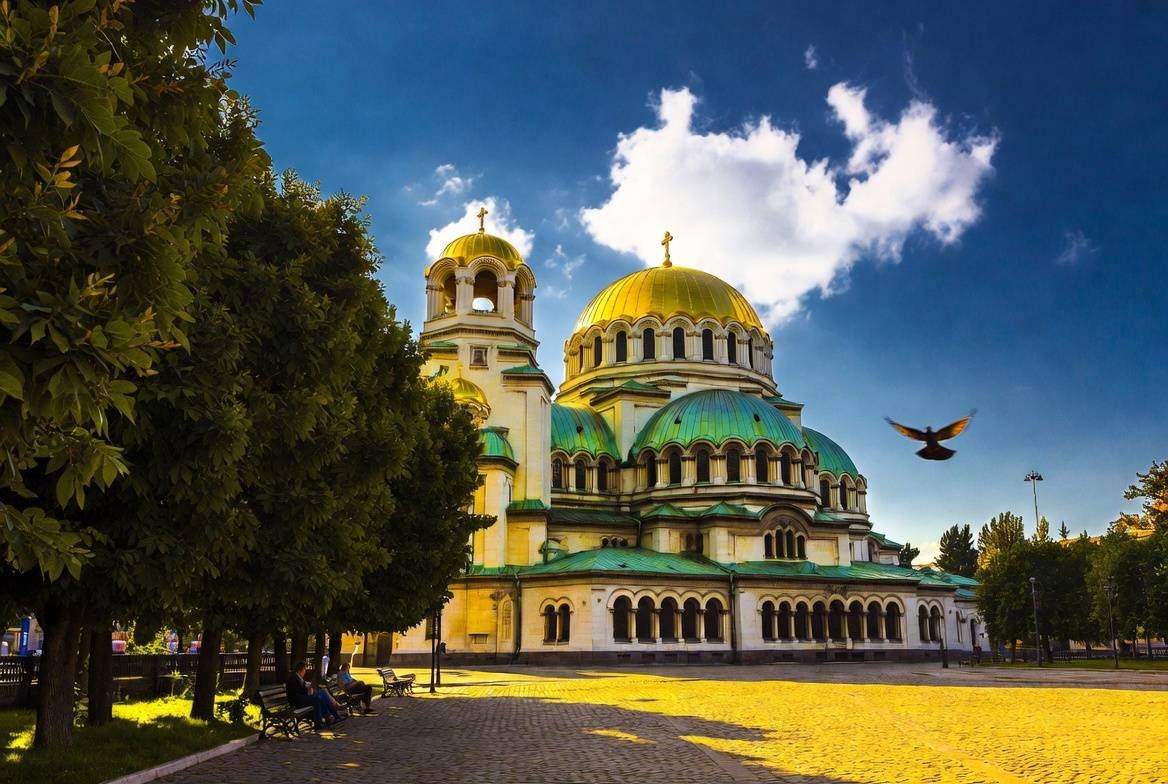
Sofia

Tip: Buy a Sofia City Card (24–72h, €10–25) for free public transport and museum discounts. Visit Alexander Nevsky Cathedral at sunset (€0).

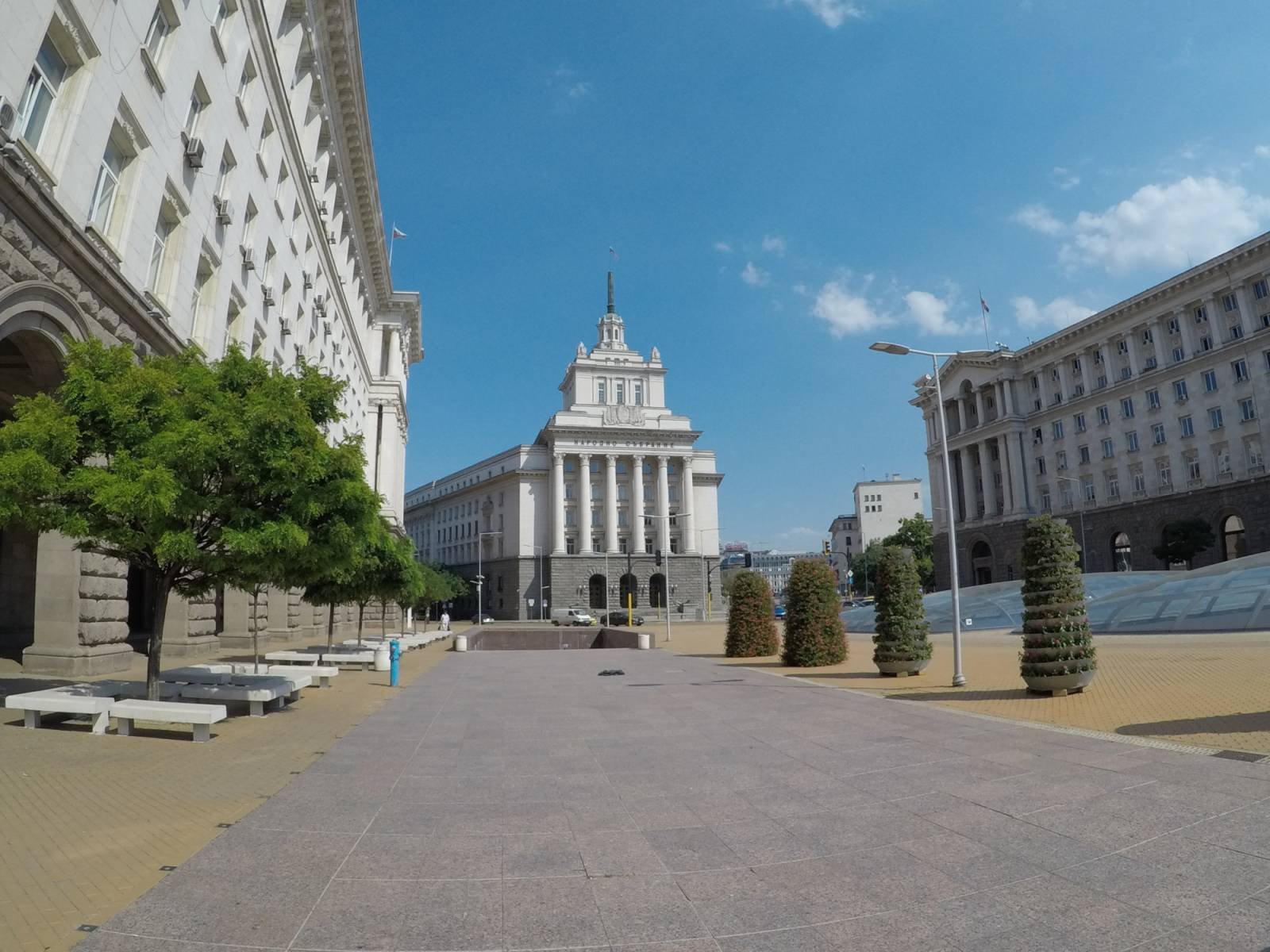
Why: Bulgaria’s capital blends Roman ruins, Orthodox churches, Soviet architecture, and a lively café scene at the foot of Vitosha Mountain.

Must-See:

  • Alexander Nevsky Cathedral & gold domes
  • Roman Serdica ruins & ancient streets
  • Vitosha Boulevard & mountain cable car (€5–10)
  • Boyana Church (UNESCO frescoes, €10)

How: Fly into Sofia Airport (SOF, €50–300). Metro/tram €1/ticket. Stay in city center (€30–100/night). Walk or use Bolt/Uber (€3–8).

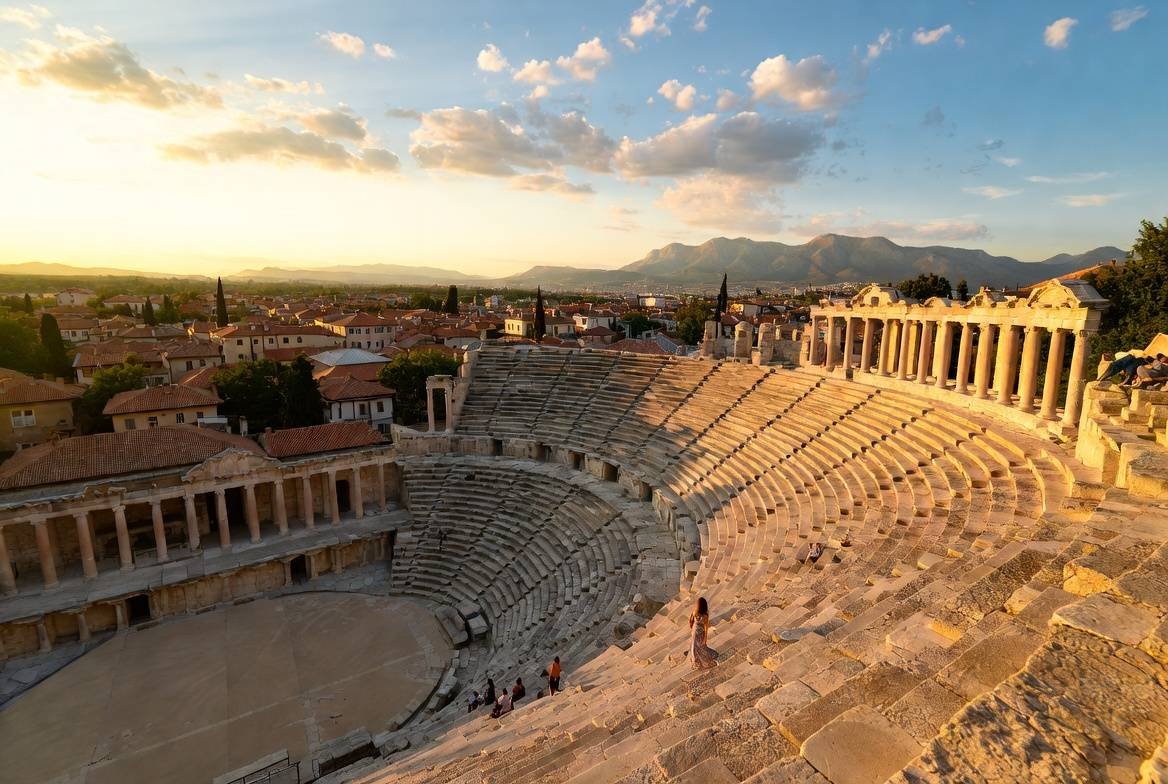
Plovdiv

Tip: Wander the Old Town’s colorful houses and Roman amphitheater (€5). Visit during Kapana District street art festival (free).

Why: Europe’s oldest continuously inhabited city (6,000+ years) with Roman ruins, Ottoman mosques, and a bohemian arts scene.

Must-See:

  • Roman Amphitheatre & ancient stadium
  • Old Town colorful Revival houses
  • Kapana creative district & street art
  • Plovdiv Regional Ethnographic Museum (€5)

How: Train/bus from Sofia (€5–15, 2h). Walkable center. Stay in Old Town guesthouses (€30–80/night).

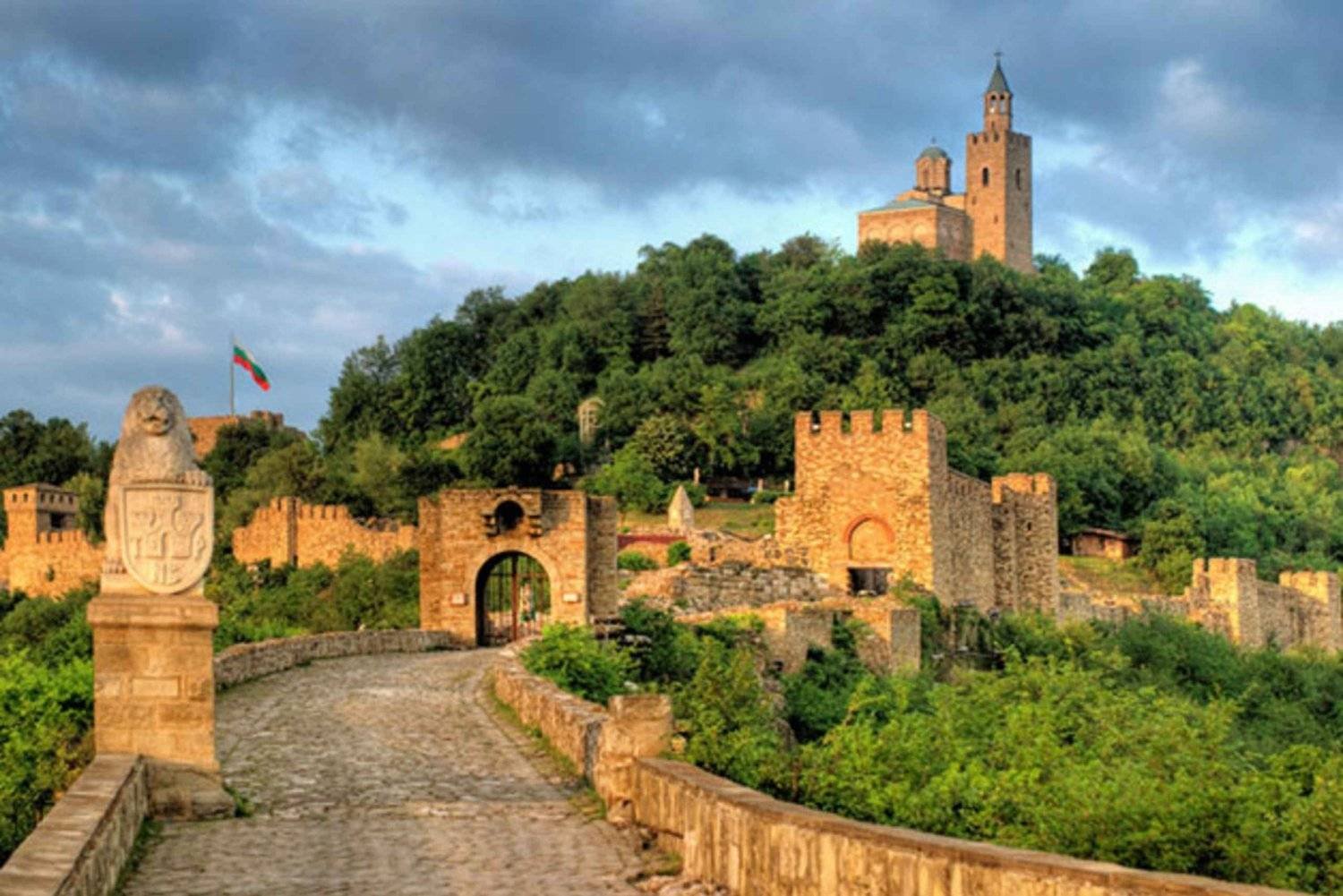
Veliko Tarnovo

Tip: Watch the Sound & Light Show at Tsarevets Fortress (€10, summer evenings). Hike to nearby Arbanasi village (€0).

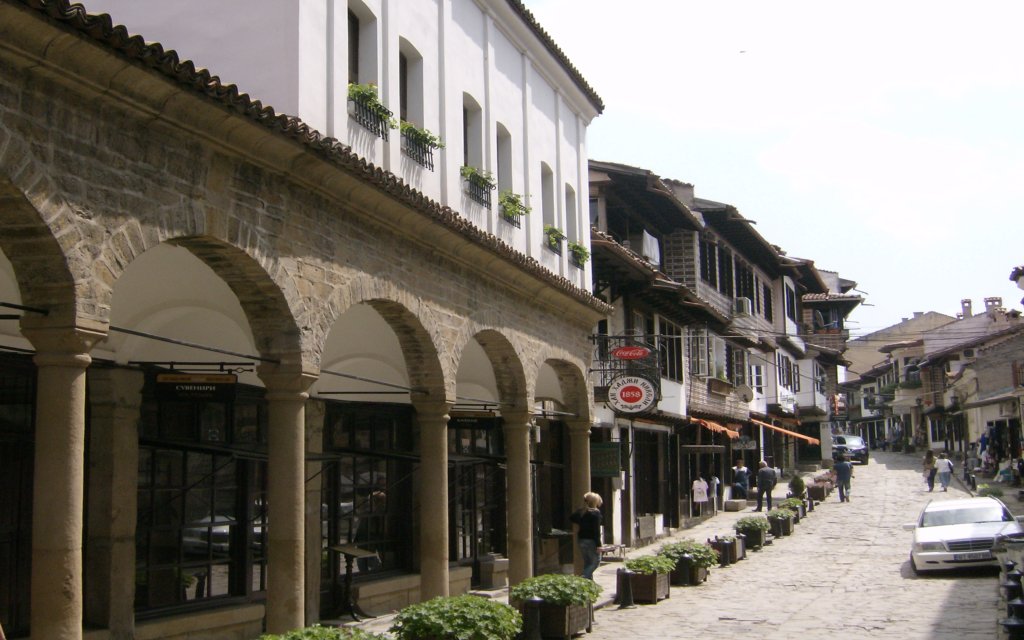
Why: Dramatic medieval capital with dramatic Tsarevets fortress overlooking the Yantra River and charming cobblestone streets.

Must-See:

  • Tsarevets Fortress & Baldwin Tower
  • Old town Asen’s quarter & artisan shops
  • Arbanasi architectural reserve
  • Yantra River views & Samovodska charshia

How: Bus/train from Sofia (€10–20, 3–4h). Walk or taxi. Stay in boutique hotels (€40–100/night).

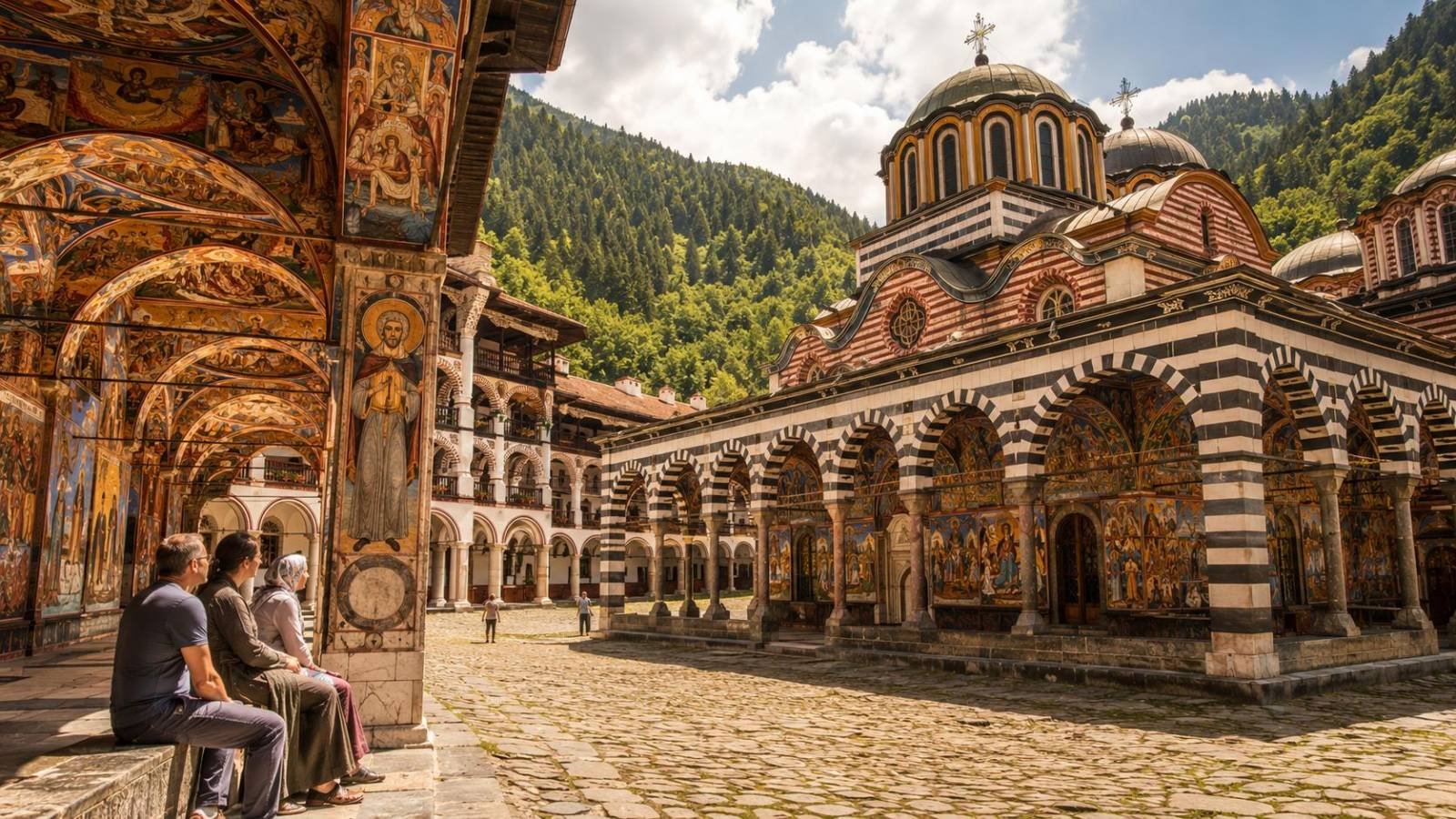
Rila Monastery

Tip: Visit early to avoid tour groups. Admire the frescoes and tower museum (€5–10).

Why: UNESCO World Heritage site – Bulgaria’s most important spiritual and architectural treasure, surrounded by Rila Mountains.

Must-See:

  • Colorful frescoes covering every surface
  • Hrelyo Tower & museum
  • Courtyard arcades & church
  • Rila village & nearby hiking

How: Bus from Sofia (€10–15, 2h) or organized tour. Stay in monastery guesthouse or nearby (€20–50/night).

Black Sea Coast

Tip: Visit Sunny Beach for nightlife or Sozopol for charm. Swim in Varna or Burgas (€0).

Why: Golden sands, clear waters, ancient towns, and resorts from lively Sunny Beach to historic Nessebar.

Must-See:

  • Nessebar Old Town (UNESCO)
  • Varna Sea Garden & Roman baths
  • Sozopol old quarter & Apollonia ruins
  • Golden Sands or Sunny Beach beaches

How: Fly to Varna/Burgas or bus from Sofia (€15–30). Stay in resorts or historic towns (€40–150/night).

Bansko

Tip: Ski in winter (€35–50/day pass) or hike Pirin trails in summer (€0). Try mehana tavern food.

Why: Bulgaria’s top ski resort with affordable slopes, plus a charming old town and gateway to Pirin National Park.

Must-See:

  • Pirin National Park hikes & lakes
  • Bansko Old Town & cobblestone streets
  • Ski slopes & modern gondola
  • Hot mineral springs nearby

How: Bus from Sofia (€10–15, 2.5h). Stay in ski hotels or guesthouses (€40–120/night).

Rhodope Mountains

Tip: Stay in eco-lodges or traditional villages. Visit Bachkovo Monastery or Devil’s Throat cave (€5–10).

Why: Mystical forests, Thracian sanctuaries, Ottoman bridges, and authentic rural life with excellent hiking.

Must-See:

  • Bachkovo Monastery frescoes
  • Devil’s Bridge & Trigrad Gorge
  • Shiroka Laka ethnographic village
  • Yagodinska Cave & hiking trails

How: Bus from Plovdiv or Sofia (€10–20). Car essential. Stay in mehana guesthouses (€25–60/night).

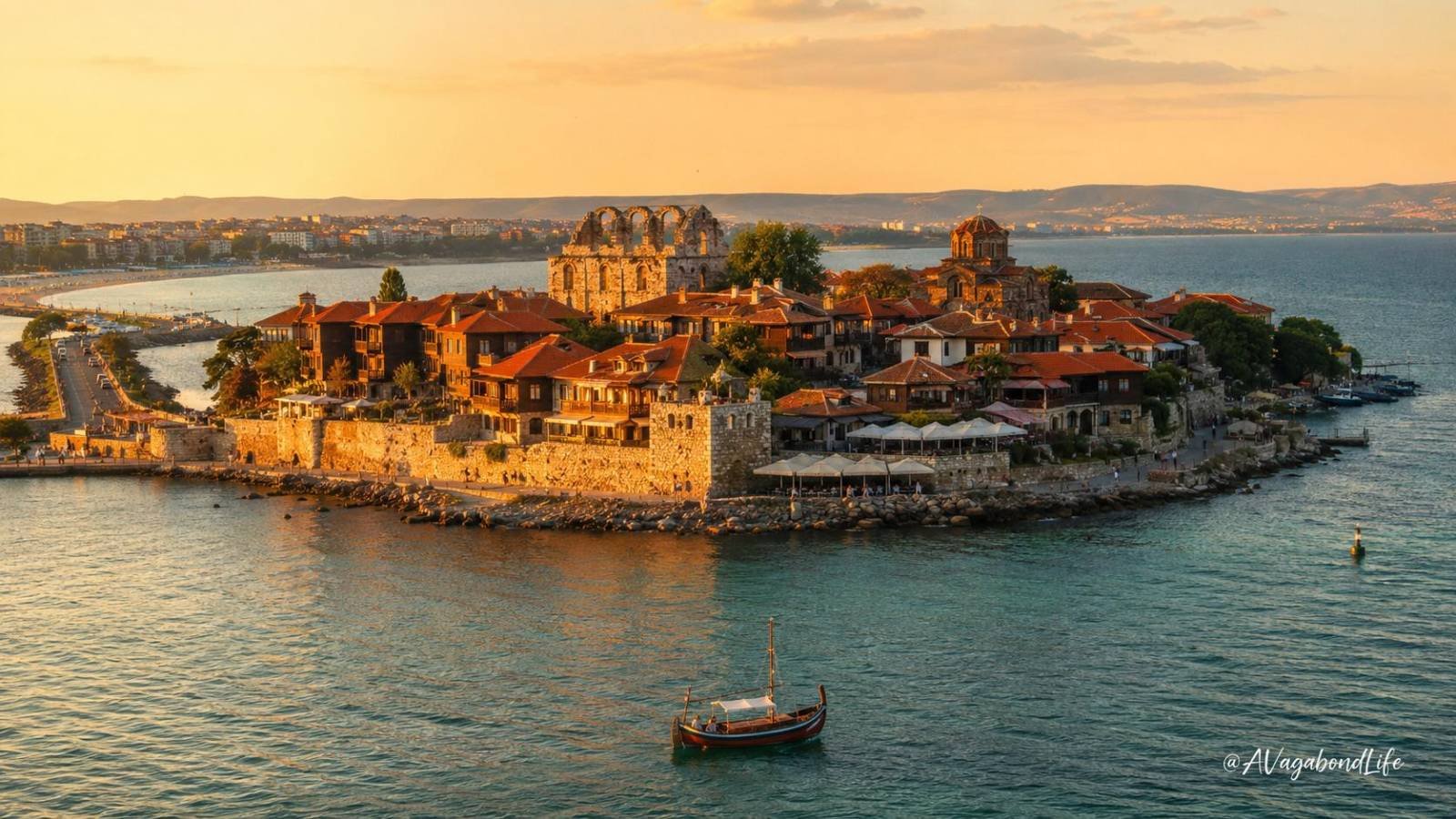
Nessebar

Tip: Walk the Old Town peninsula at sunset (€0). Visit churches and Roman ruins.

Why: UNESCO-listed ancient city on a peninsula with 40+ medieval churches, Byzantine walls, and Black Sea views.

Must-See:

  • Old Nessebar churches & frescoes
  • Ancient amphitheatre & Roman baths
  • Windmill & wooden houses
  • Sunny Beach views across bay

How: Bus from Burgas or Varna (€5–15). Walkable. Stay in Old Town guesthouses (€40–100/night).

Travel Guides

Travel Guides

Travel Stories

Travel Stories